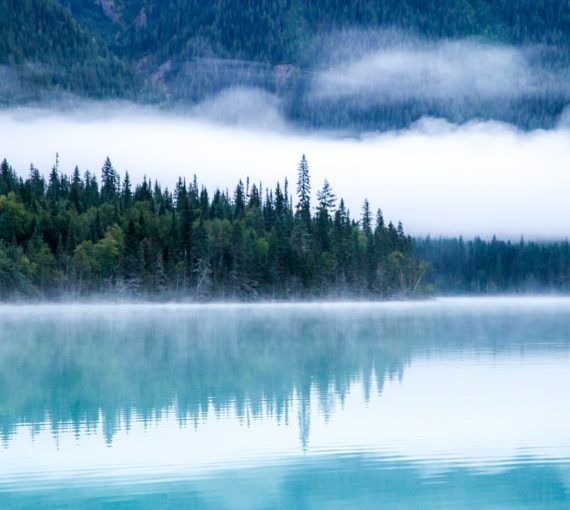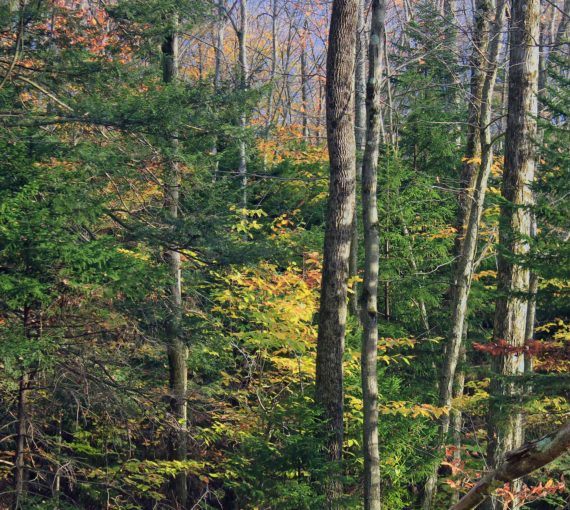
Three significant resource-related projects underway in Ontario will have significant ecological impacts long into the future.
It’s understandably difficult to keep track of all that’s going on in the province. I’m a full-time environmentalist who lives in Ontario and I am frequently overwhelmed by all that is being pushed through. But it’s important that we take note. Here they are:
1) A 30-day period for the public to comment in the Federal Impact Assessment process in response to the Nuclear Waste Management Organization’s project summary is ending February 4.
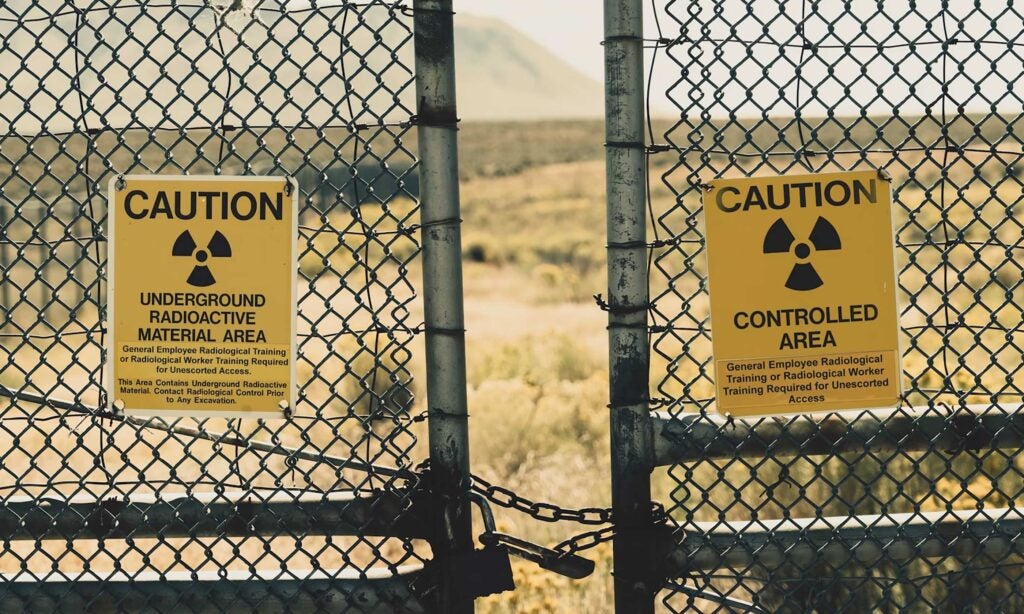
The Nuclear Waste Management Organization plans to transport, process and bury all of Canada’s nuclear fuel waste at a site between Ignace and Dryden in northwestern Ontario. This will include 50 years of transporting highly radioactive waste, 160 years of operation and 150,000 tonnes of radioactive waste left underground in the headwaters of the Wabigoon and Turtle-Rainy rivers. According to local conservation organization Environment North, consultation for the project’s site selection ignored opposition from communities and First Nations downstream and along the proposed transportation route. The NWMO has approved the site, but the project is still subject to a review by the Impact Assessment Agency. You can comment on the initial project description here, and Environment North has posted background information here.
2) Ontario has fast-tracked the western world’s largest nickel project under the province’s “One Project, One Process” framework. The Crawford Nickel Project is the second to move forward under the new “One Project, One Process” framework. It is located 42 kilometres north of Timmins and is deemed to be one of the largest nickel deposits on the planet. Under “One Project, One Process” companies can be exempted from requirements under federal laws like the Ontario Fisheries Act and Species at Risk Act.
According to the Narwhal, “Canada’s Impact Assessment Agency provided nearly 25 pages of commentary from federal departments and experts on this assessment, including notes on the ‘substantial’ amount of ‘seepage’ that is predicted to bypass the mine’s drainage and water collection systems while the mine is in operation. This seepage, which Environment and Climate Change Canada expects to contain arsenic, chloride, uranium and other minerals that are risky at high levels, will be deposited in several rivers, creeks and eight lakes currently used by Indigenous communities where the agency noted ‘toxicity effects on aquatic life are likely.’” Construction will also “remove an estimated 11,785 hectares of critical wildlife habitat for threatened woodland caribou and endangered northern long-eared bats.”
3) Under ERO 025-1363, Ontario government is proposing to exempt early mineral exploration from the Permit to Take Water system. According to Water Watchers, this, if passed, “would remove one of the few tools designed to assess whether large water withdrawals are appropriate. If approved, these changes would allow significant water takings to proceed without independent review by the Ministry of the Environment, Conservation and Parks, relying instead on broad eligibility criteria designed to empower the mining industry.”
If it feels like a lot coming at us, it’s because it is. We’re in a period, provincially and federally, wherein strength is associated with accelerated resource use and extraction. It’s build, baby, build, or in this instance: bury, extract and deplete, baby, bury, extract and deplete!
Unfortunately, both the federal and provincial governments have leaned into (or dived into) the narrative that, in the words of Justina Ray and Trevor Swerdfager, “treats environmental risk and Indigenous rights as obstacles to be overcome rather than reasons to change course.” They continue, “Across the political spectrum, ‘building more’ has become shorthand for natural resource development that takes a metaphorical flamethrower to the environmental safeguards, institutions, and processes we have established to weigh long-term project consequences and protect the public interest.”
It’s hard to be an environmental activist these days, with so many projects and approvals whirring by at an accelerated pace, right when they should be slowing down so their long-term, cumulative ecological impacts can receive reflective consideration at the landscape scale. What do I recommend? Get outside in the snow, appreciate the beauty of nature and love the spot you’re in. And fight for it.

Our work
Always grounded in sound evidence, the David Suzuki Foundation empowers people to take action in their communities on the environmental challenges we collectively face.