Ontario’s economy is off-leash — and wildlife is paying the price. Doug Ford’s new Species Conservation Act removes protections for more than 100 species, leaving Ontario’s wild places open to harm and extinction. (Unsplash via Jeremy Hynes)
Most dog walkers are familiar with the on-leash/off-leash debates and tend to uphold the rules for places where dogs can’t be walked for ecological reasons, although the issue has become a source of conflict in numerous municipalities.
But this column isn’t about dogs, it’s about wildlife, and what’s being unleashed is, in Ontario Premier Doug Ford’s words, “the economy.”
The premier is following up on his Protect Ontario by Unleashing our Economy Act, which became law in June 2025. The government is poised to replace the Endangered Species Act with the new Species Conservation Act, for which there is a consultation period until November 10th.
It’s hard to argue that the economy under this government isn’t *already* unleashed. Examples abound, including a 2020 exemption for the forestry industry from habitat destruction prohibitions under the Endangered Species Act, removal of oversight powers of regional conservation authorities and use of minister’s zoning orders to bypass local planning processes.
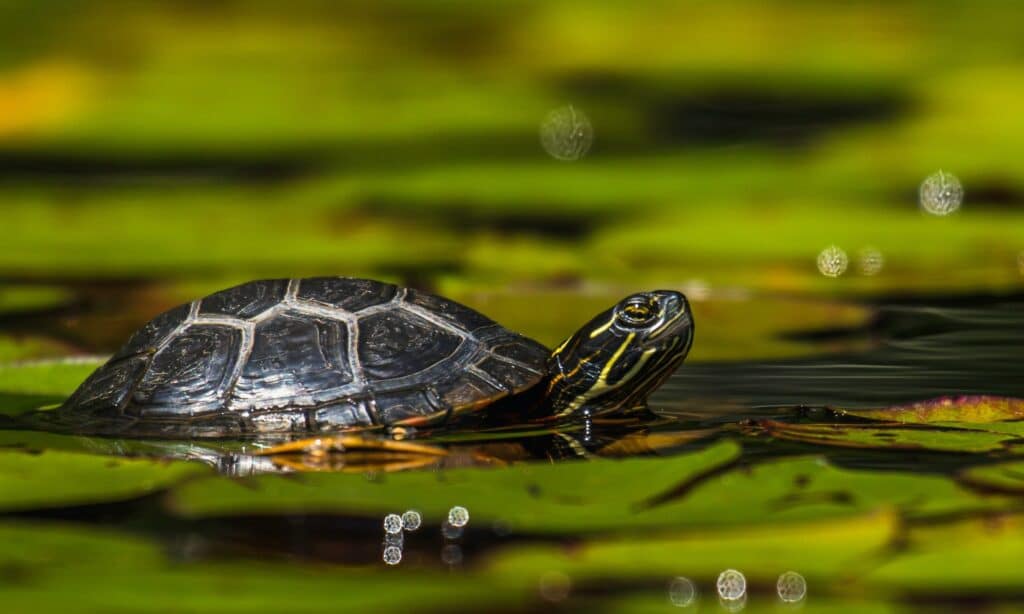
The plan for the Species Conservation Act is almost too vague to comment on. It provides no details about potential habitat protection or restoration requirements. Yet it does contain the intention to remove 106 species from the list—migratory bird species, aquatic species, and species of special concern, including the eastern mole, eastern musk turtle, cougars, endangered redside dace and red-headed woodpeckers.
I guess Ford trusts the federal government to afford species protection more than he trusts his own province?
It’s unclear if the Species Conservation Act would afford any real on-the-ground protection for these species, but their presence on the list would at least signal recognition that habitat protection and restoration measures are desperately needed for them to recover and survive.
The Ontario government says this move “removes duplication for species already receiving protections federally” and references the federal Species at Risk Act, but doesn’t take the time to account for existing federal protection measures.
I guess Ford trusts the federal government to afford species protection more than he trusts his own province?
That’s not all, of course. The new Act also does away with recovery strategies (roadmaps to recovery) and bypasses the need for developers to get approval before harming the habitat of threatened and endangered species— they can just register and proceed.
Regulations have, it appears, become a dirty word. Let’s try leashes instead. There are places where they are not required: development and resource extraction activities that have gone through planning processes in which other values such as safeguarding the environment and upholding Indigenous rights are considered. In some areas though, leashes are required to constrain harm and deliver on government commitments. And there are places that should be off limits, period. (We are, after all, in the midst of a biodiversity crisis, and we’re talking about species that are at risk of extinction, primarily due to habitat loss and fragmentation.)
Ford’s unleashed-at-all-times-everywhere approach is grossly, blindly, catastrophically irresponsible. If the public can get riled up about dog parks, let’s hope we can also weigh in on the abandonment of the tools needed to keep Ontario’s wildlife from being wiped out.

Our Work
Always grounded in sound evidence, the David Suzuki Foundation empowers people to take action in their communities on the environmental challenges we collectively face.