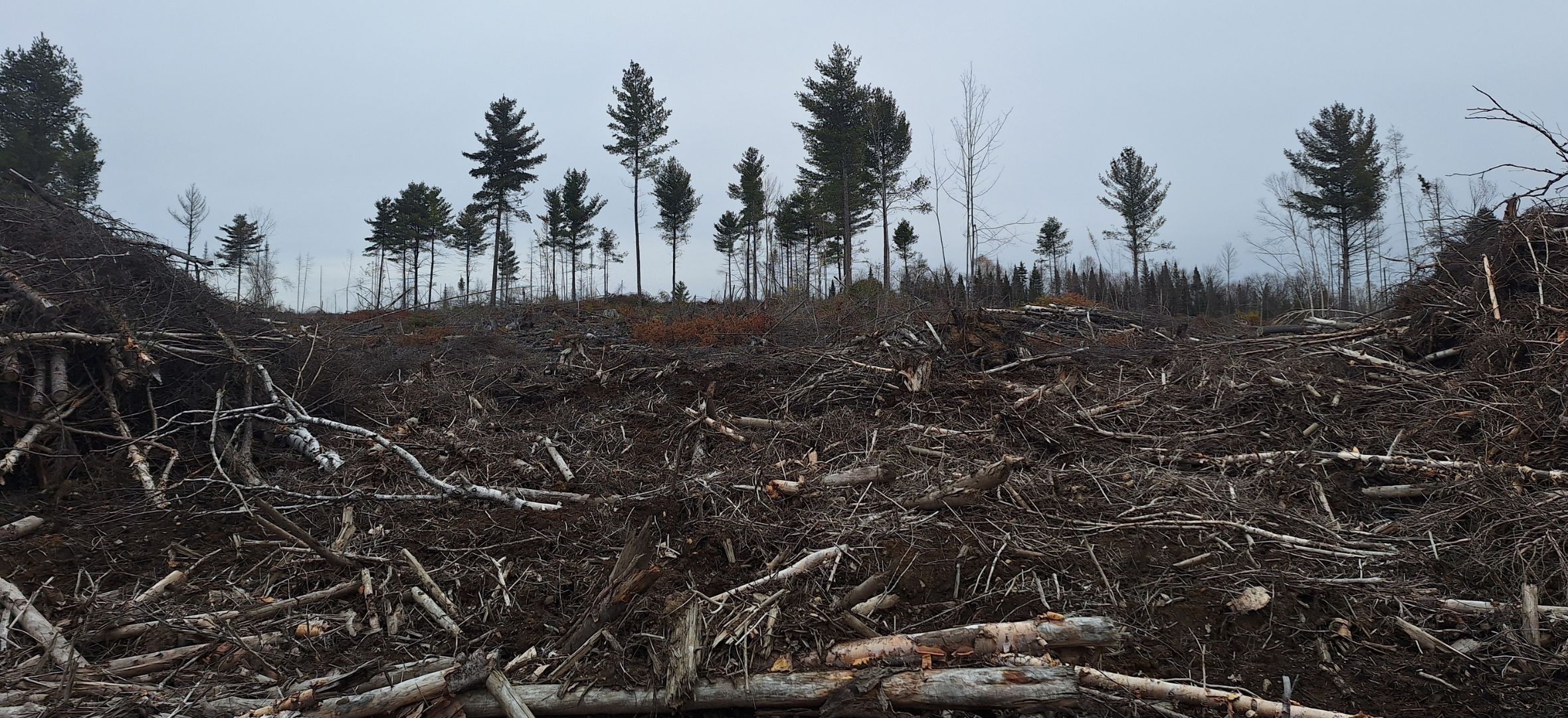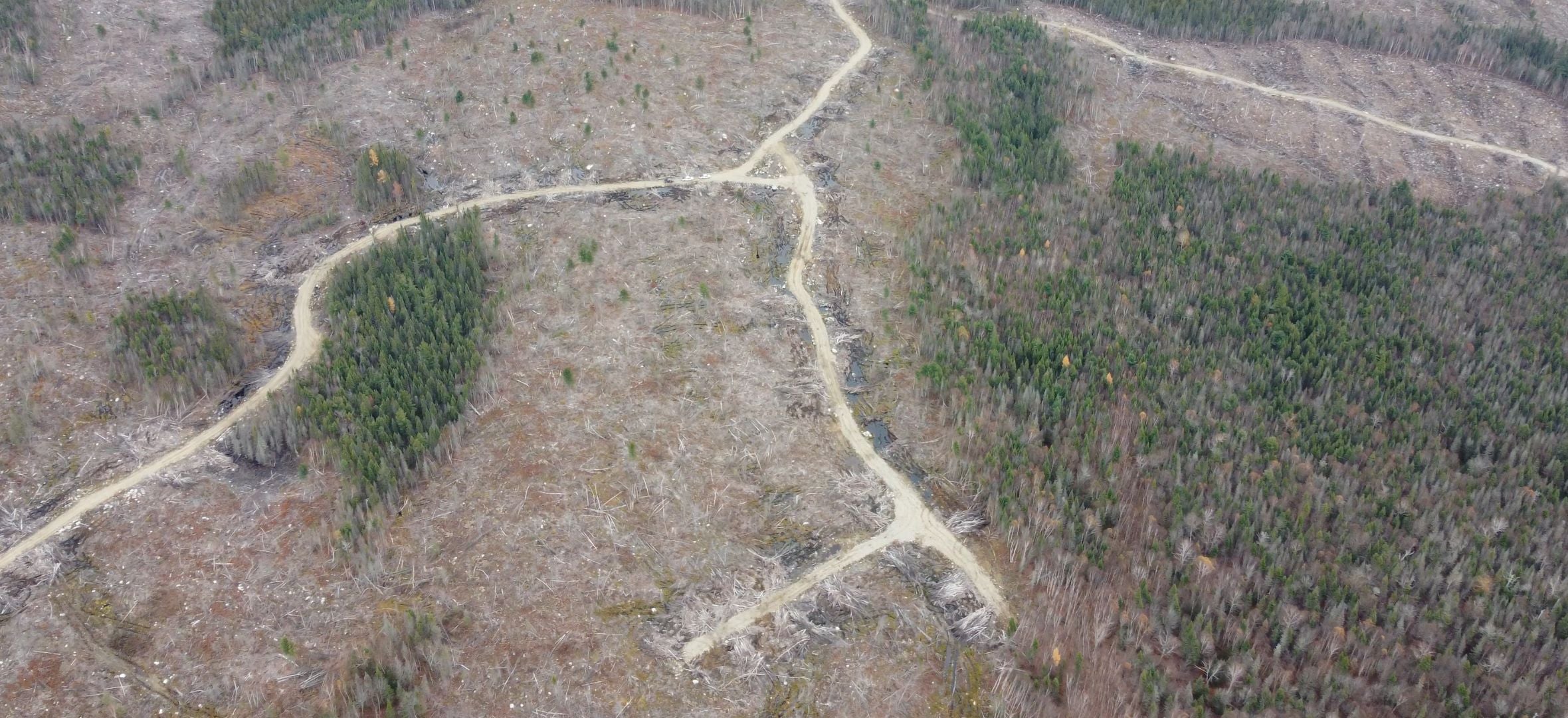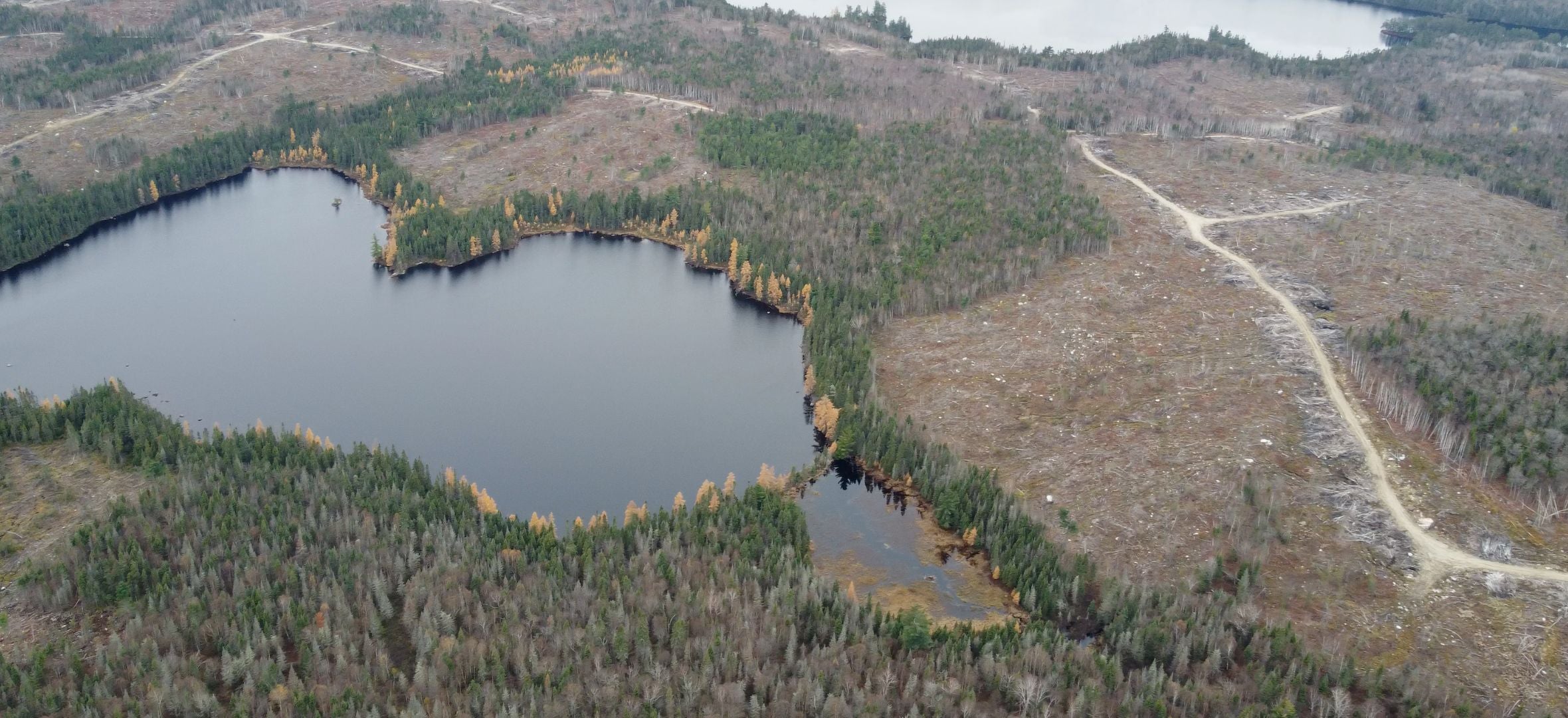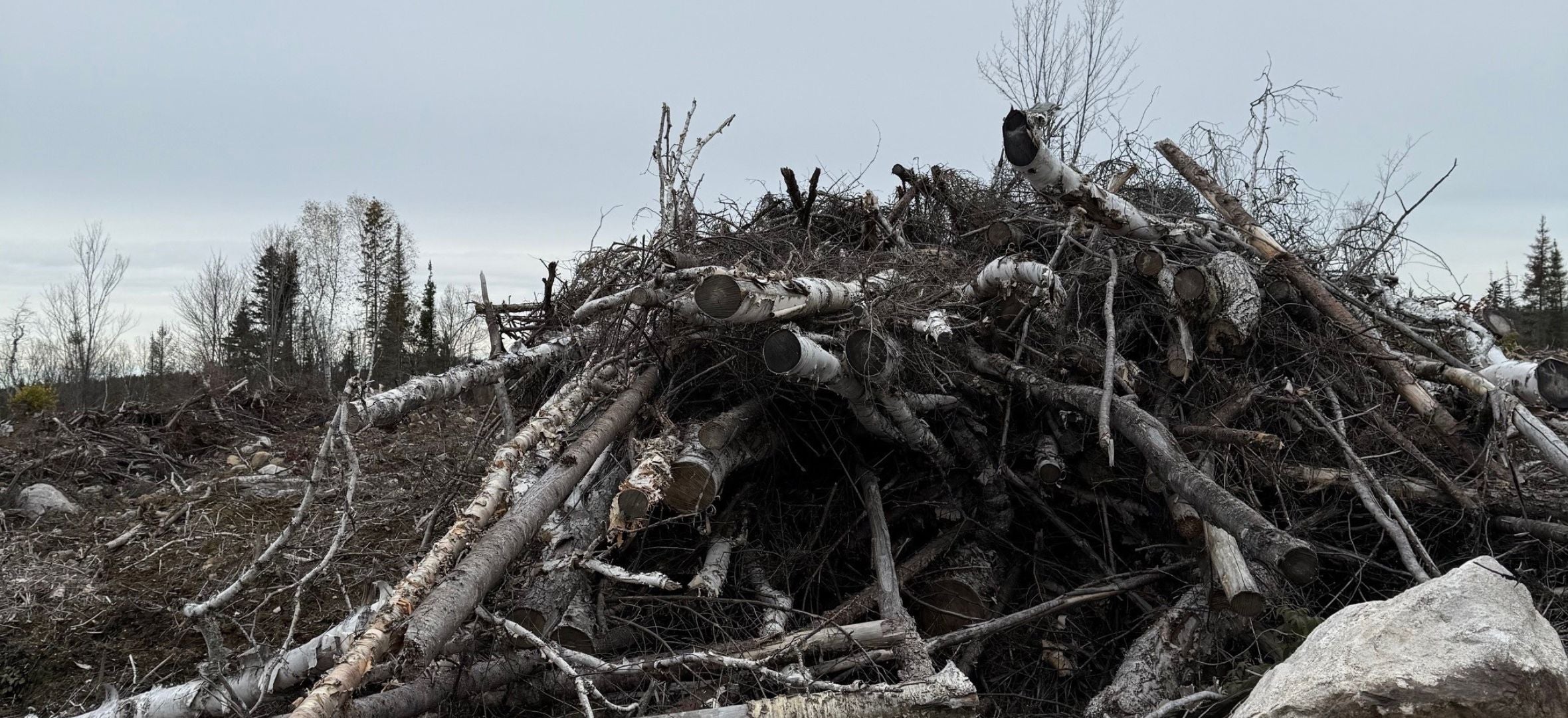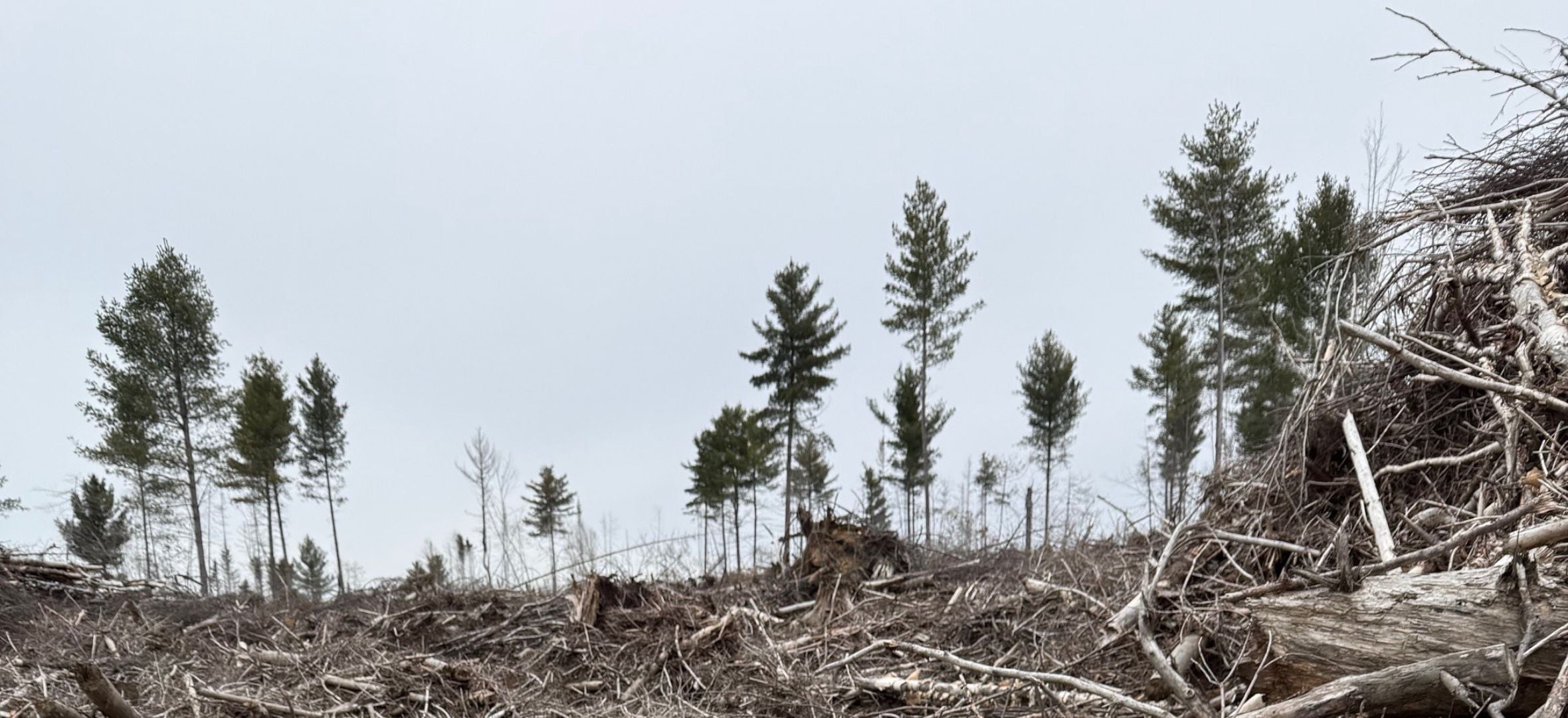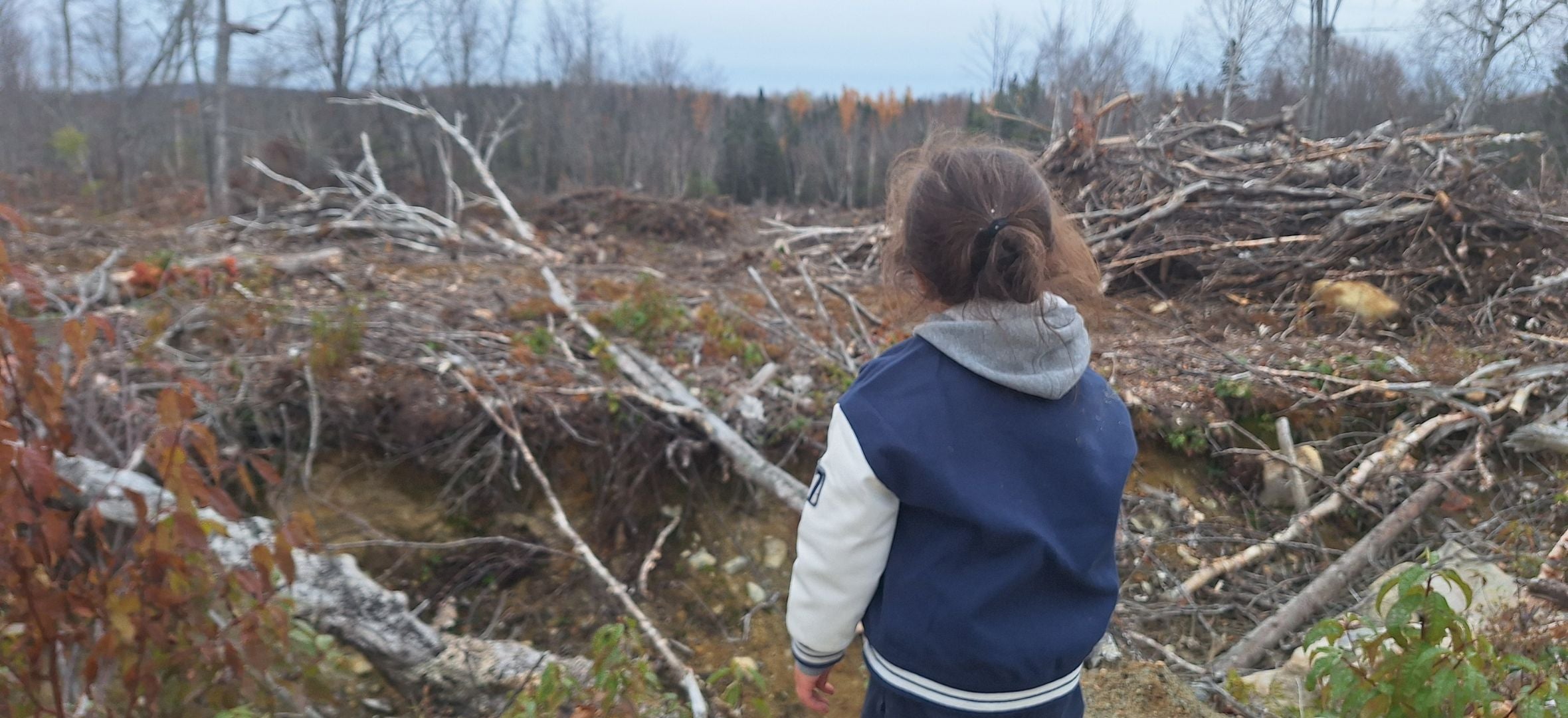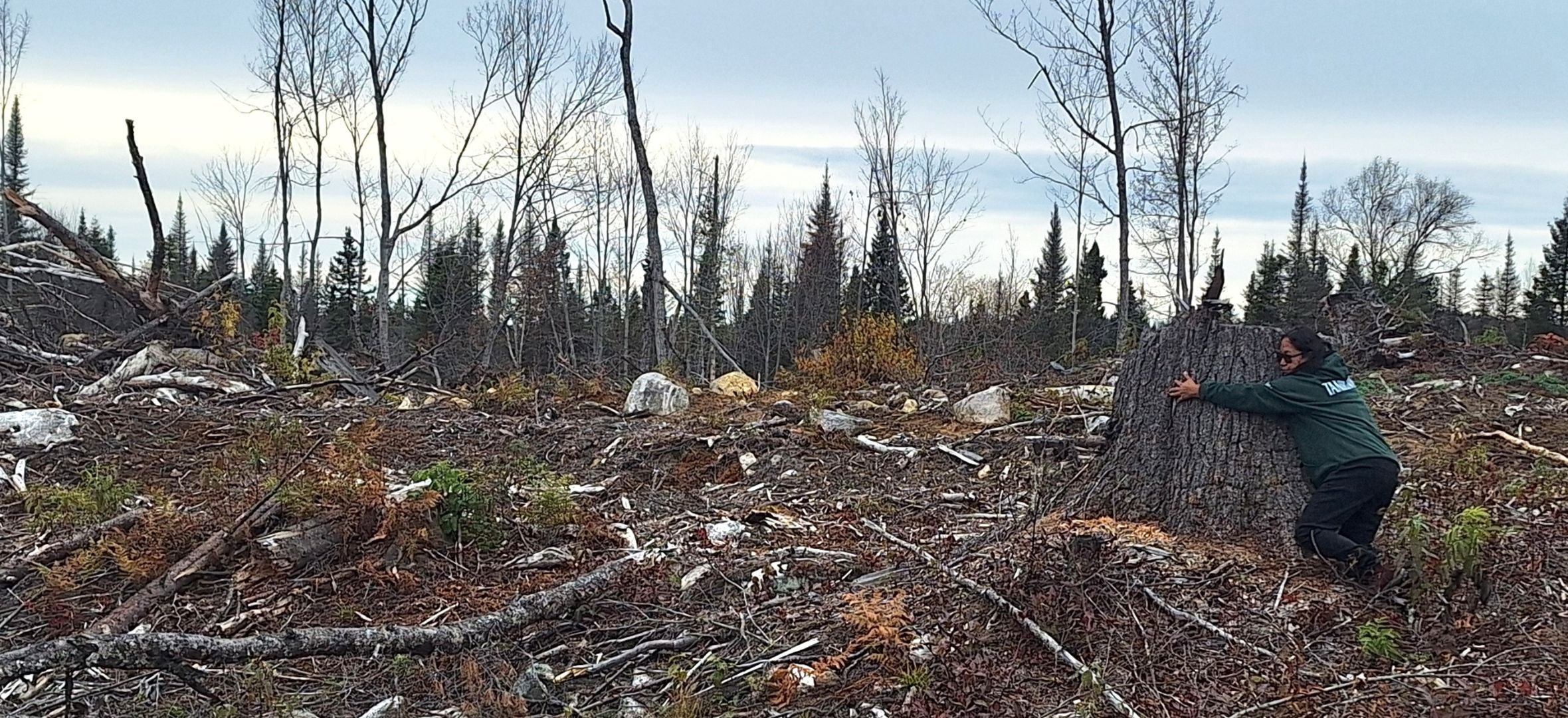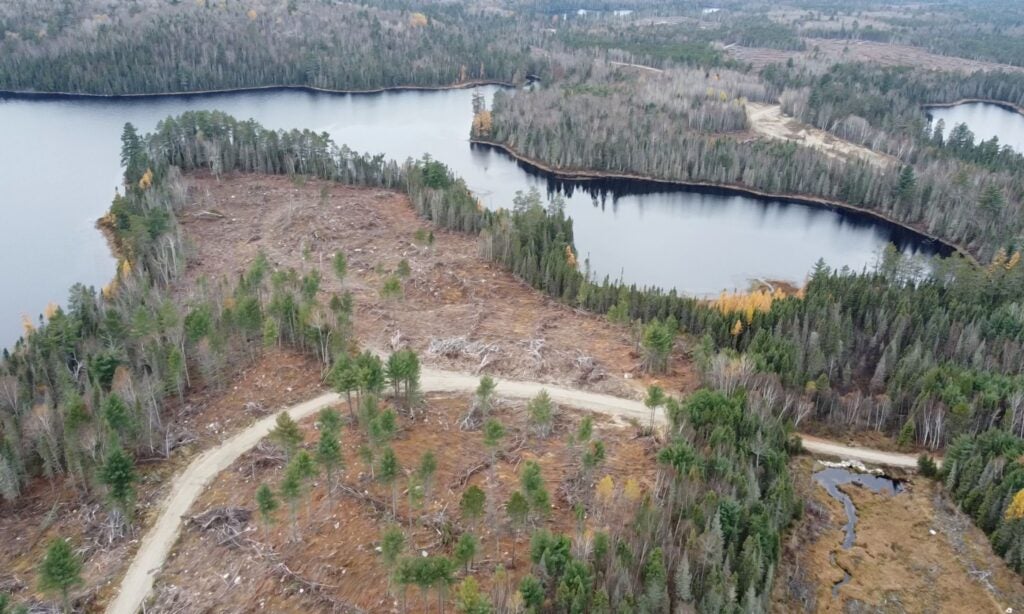
At COP30, Canada celebrates its climate progress — but behind the promises lies a deeper story. Jurisdictional justice reveals how old colonial laws still shape Canada’s forests and why real climate action must begin with Indigenous leadership. (Photo: Nico Stinghe)
At the COP30 climate summit in Belém, Brazil, on the edge of the world’s largest rainforest, Canada and other governments are eager to tout their climate credentials. Over the next days, their delegations will speak of net-zero pathways, green jobs and new trade opportunities. Yet beneath the polished language of transition lies a familiar contradiction: The Doctrine of Discovery, the legal order that once claimed Indigenous lands in the name of empire now claims them again in the name of climate progress.
In Canada, domestic laws — from the recently adopted One Canadian Economy Act to similar measures proposed in Quebec or already adopted in Ontario and British Columbia — dress old colonial hierarchies in contemporary economic jargon. The One Canadian Economy Act asserts that the federal government can declare projects to be in the “national interest,” fast-tracking industrial resource extraction and infrastructure projects at the expense of environmental scrutiny and Indigenous consent. This is not innovation; it is the Doctrine of Discovery retooled for a new century.
When Canada uses the language of “efficiency” and “competitiveness” to override Indigenous jurisdiction and free, prior and informed consent, it repeats the same legal fiction that justified conquest: that the Crown holds ultimate authority over land. The Doctrine of Discovery may have been symbolically repudiated, but it still breathes through statutes that treat Indigenous nations as consultees rather than co-governments, and forests as resources rather than relatives.
Jurisdictional justice
At COP30, the Amazon rainforest will rightly command global attention. But Canada’s own forests tell a parallel story. The boreal forest, stretching from Yukon to Labrador, provides critical habitat for caribou, moose, bears, insects, countless migratory birds and small species that rely on trees to build their homes. It is also home to many of the more than 600 Indigenous communities whose stewardship centres on maintaining balance and abundance, not maximizing extraction.
Canada has clear-cut millions of hectares, much of it under “sustainable forestry” certifications. Logging companies continue to operate under provincial “Crown land” regimes that break the promises made under the Wampum and Numbered Treaties and erase Indigenous title and rights, while new laws threaten to accelerate extraction under the guise of green growth.
If the global climate process is serious about halting deforestation and degradation by 2030 — a goal repeatedly affirmed in COP pledges — Canada cannot exempt itself. Forest management isn’t just inextricably linked to our carbon commitments; it is also linked to jurisdictional justice.
The legal root of the crisis
Forest degradation in Canada has a legal genealogy. From 19th-century land surveys to modern resource laws, the same logic endures: land belongs to the state until proven otherwise. Section 35 of the Constitution recognizes Aboriginal and treaty rights, yet it leaves intact the presumption of Crown sovereignty. The “duty to consult” asks Indigenous nations for input but does not create meaningful processes for Indigenous leadership in decision-making mechanisms. The One Canadian Economy Act goes further, consolidating federal discretion to override the processes through which meaningful engagement with Indigenous Peoples occurs, such as environmental assessments.
At COP30, Canada will likely present itself as a leader in forest management and Indigenous partnership. But partnership without jurisdiction is performance. True climate leadership begins when Indigenous laws are treated not as cultural heritage but as constitutional authority.
Partnership without jurisdiction is performance. True climate leadership begins when Indigenous laws are treated not as cultural heritage but as constitutional authority.
Actionable steps for Canada at COP30 and beyond
At COP30 and beyond, Canada must ground its climate policy in Indigenous governance and law, moving beyond consultation to recognize Indigenous nations as equal authorities in environmental decision-making. This means legislatively embedding Indigenous jurisdiction in forest governance, expanding and funding Indigenous-led protected areas and ensuring that First Nations are centred in carbon-accounting systems. Trade and investment policies should be aligned with a truly sustainable forestry revolution, zero-deforestation and degradation goals, and prioritizing cultural reparations for Indigenous communities. Finally, Canada’s climate finance must shift from extractive, corporate models to Indigenous-led restoration and stewardship that understand forests as living systems rather than as mere sources of timber and fibre.
The moral imperative of COP30
The Amazon and the boreal are mirrors, lungs of the planet, both scarred by colonial economics. To stand in Belém and speak of climate justice while undermining Indigenous jurisdiction at home would be to repeat the same imperial script under a green banner.
If Canada wishes to lead at COP30, it must begin by dismantling the colonial legal foundations of its own forest economy. That means confronting the Doctrine of Discovery not merely as history but as law — still operational, still extractive, still defining who gets to decide what counts as “national interest.” It also means ensuring the next seven generations inherit healthy lands compared to what we inherited today under an escalating climate crisis.
Repudiation of the doctrine, if it is to mean anything, cannot stop at apology or symbolic recognition. It must reach into the legal machinery that continues to enforce the doctrine’s logic. That means rewriting environmental and resource laws to recognize Indigenous governments as equal constitutional authorities — not stakeholders, not consultees, but lawmakers whose jurisdiction predates the Crown. It means recognizing Indigenous legal orders as binding and non-optional, alongside federal and provincial laws.
A truly post-doctrinal Canada would accept that ecological governance is not a federal competence to be centralized under the “national interest” but a shared responsibility grounded in Indigenous law, kinship and intergenerational care. It would reject the false binary between economic growth and environmental justice. It would see prosperity not as the speed of extraction but as the durability of relationships between people, water and forests. As COP30 calls the world to confront the limits of extractive economies, Canada must recognize that its climate commitments will only hold meaning if they reflect these principles, centring Indigenous jurisdiction and long-term ecological stewardship as the foundations of credible climate policy.

Waba Moko (Shannon Chief)
Waba Moko was born and raised to the wolf clan of the Anishinaabe-Algonquin Nation. She lives in western Quebec, on traditional Algonquin territory in and around what is known as La Verendrye Park. In all the work she does she works in defense of Indigenous cultures. She contributes at various levels to the decolonization and the restoration of the sovereignty of her people. She fights ardently against the challenges stemming from extractive development – from logging to sport hunting – and climate change which all have cruel repercussions in her nation. She is project coordinator of the Anishnabe Moose Research Committee.