From COP30 in Belém, Cyrielle Maison interviewed five inspiring people from the Americas who are working every day, each in their own way, to achieve true climate justice.
From COP30 in Belém, Cyrielle Maison interviewed five inspiring people from the Americas who are working every day, each in their own way, for true climate justice in Bolivia, Canada, Colombia and Venezuela. Through their stories, they share their impressions of COP30 and what they believe is important to highlight when talking about climate change.
Samuel Rainville and Laura Fontaine begin by giving us their impressions of COP30 as a space where people can gather and learn from each other.
“I feel really lucky here because we’re in the Amazon; we’re really fortunate to be able to meet people, Indigenous Peoples from South and North America. … I think it’s a really wonderful meeting place.” – Laura Fontaine
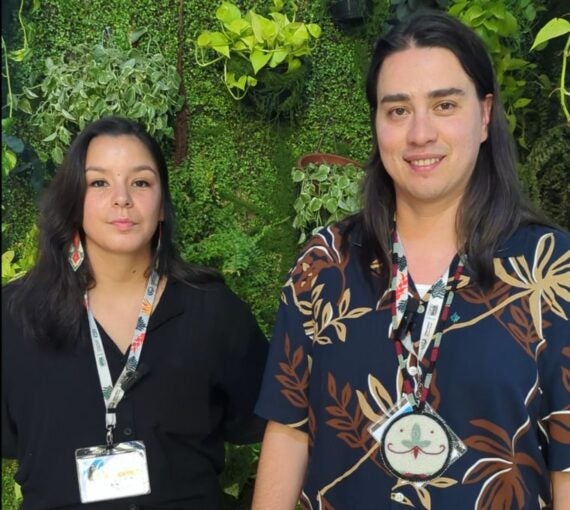
“Here in Brazil, we see people coming from all over the world, which is truly inspiring for us. … Thanks to the [Forest Ambassadors] program, I feel much more legitimate in conveying my community’s messages because our great mentor, Melissa Mollen Dupuis, takes us into the territory and helps us understand the struggles of the defenders of our land. When we arrive here, we connect with people from other places, and it’s super inspiring. We feel empowered.” – Samuel Rainville, Innu member of the Pessamit community and Quebecer
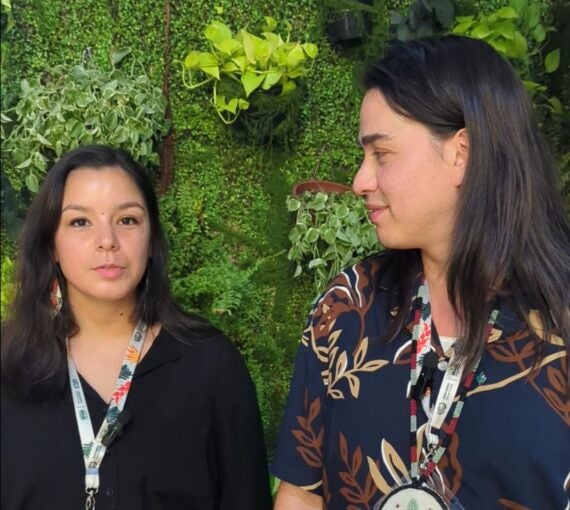
“I feel really lucky here because we’re in the Amazon; we’re really fortunate to be able to meet people, Indigenous Peoples from South and North America. … I think it’s a really wonderful place to meet people.” – Laura Fontaine, Innu member of the Mani-utenam community
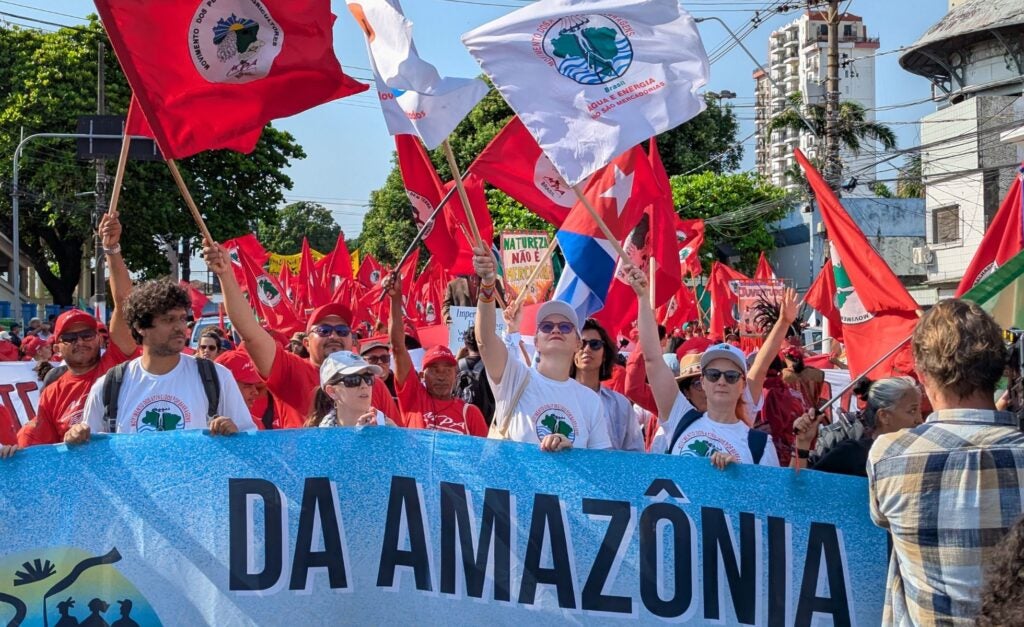
Inés Gonzales Salas also appreciates the opportunity provided by COP30 to meet people from diverse backgrounds. However, she denounces the fact that companies that do not care about environmental protection have been invited to be part of country delegations. She also mentions the People’s Summit and the demands made by those who participated in it outside of COP30, at the Universidade Federal do Pará, a space open to all.
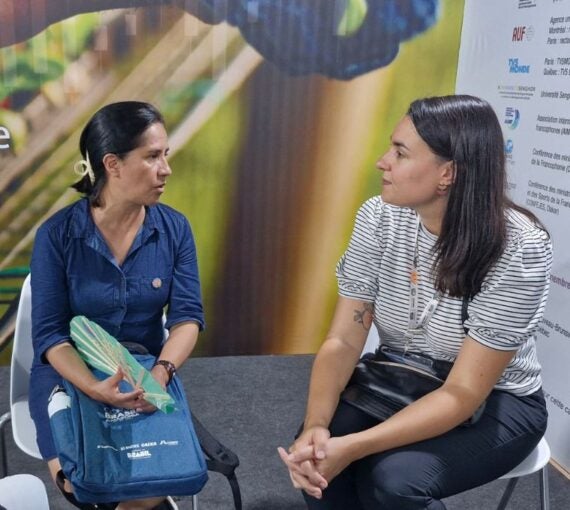
“[COP] is undoubtedly an interesting experience. Just seeing the cultural diversity is fascinating in itself — people from so many different parts of the world, with such different clothes and languages, it’s impressive. In fact, it’s an enriching experience, but also frustrating, because we don’t see the results of a meeting of this global scale. It really seems like we are all speaking different languages and we are unable to understand the cry of the planet.
“They must engage in dialogue, which is fundamental, with sincerity and in front of the people. For example, some large companies have sent negotiators to COP, but it is the governments that have accredited these negotiators. It is important that states also think about the people, think about every life that is at stake with climate change.
“[Indigenous Peoples] are on the sidelines, participating in parallel events. We need to see if COP will take into account, for example, the declaration issued by the People’s Summit. They said yes that the president had received it, but we’ll see if that’s the case.” – Inés Gonzales Salas, executive director of Educación Radiofónica de Bolivia
Steven Santiesteban Rojas, who works in the Colombian Amazon region, talks about the realities of the people who live there and what he would like to say to the COP president if he had the chance.
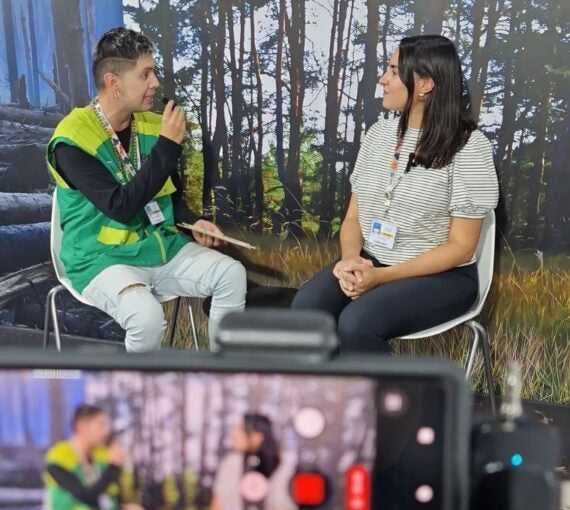
“If I had the opportunity to speak with the COP president, I would ask him to ensure that actions are real, that they are genuine, that transformation strategies are implemented on the ground, that he talks to the people of the territories, to the Amazonian peoples. They are the key players in everything we are currently experiencing.
“No government can sit at the negotiating table without the presence of indigenous women and indigenous leaders. I would say [to the COP president] that action must be taken from within the territory, with the people who love and care for this magnificent ecosystem.
“The Amazonian territories are the most affected by deforestation, oil and mining. This is therefore a scourge that communities are suffering from and that we may not be fully aware of. … This voice, combined with that of the peoples, is the most powerful weapon we have to denounce and, above all, preserve ecosystems.” – Steven Santiesteban Rojas, Colombian social communicator
Yorman Galviz, a journalist working in Venezuela, on the border with Colombia, testifies to the importance of communication in raising awareness about climate change. He also emphasizes the importance of listening to the realities of the people living in the affected areas.
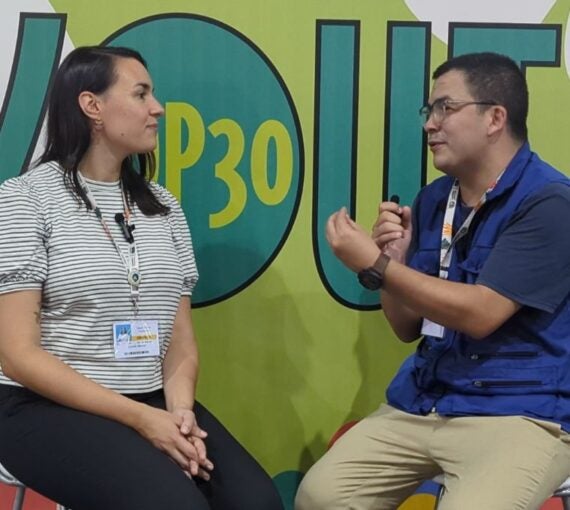
“Our intention is to address all the issues that are being debated and negotiated [at COP], but also to listen to the voices of those who are calling for climate justice. We believe that communication is a powerful tool that enables people to inform themselves and, above all, to educate themselves about what climate change is and how it affects the region.
“If I could speak to the COP president… I would ask him to focus more on the needs of communities and less on bureaucratic issues, so that he can hear what is really happening with climate change in the regions, because we had the opportunity to meet with farming communities who told us: ‘We no longer know when it’s going to rain. Before, rainfall followed regular patterns, but now it comes at other times.’ We need to listen more to the territories, listen more to people’s realities.” – Yorman Galviz, Venezuelan journalist