Art has the power to transform how we see and engage with the natural world. As climate change and biodiversity loss accelerate, we need artists’ creativity and vision to help us reconnect with nature, spark conversation and inspire change.
The David Suzuki Foundation, in partnership with Rewilding Magazine, is excited to announce the finalists of the second round of the Rewilding Arts Prize in spring 2026.
About the Prize
The Rewilding Arts Prize honours artists in Canada whose work shines a light on rewilding — restoring and revitalizing our connections with nature, culture and community.
In Fall 2025, we invited artists from throughout Canada to apply for the second Rewilding Arts Prize. A jury of eight winners of the inaugural prize reviewed submissions from over 650 artists, On March 5, 2026, a shortlist of 20 artists were announced.
The shortlist include (in alphabetical order by last name):
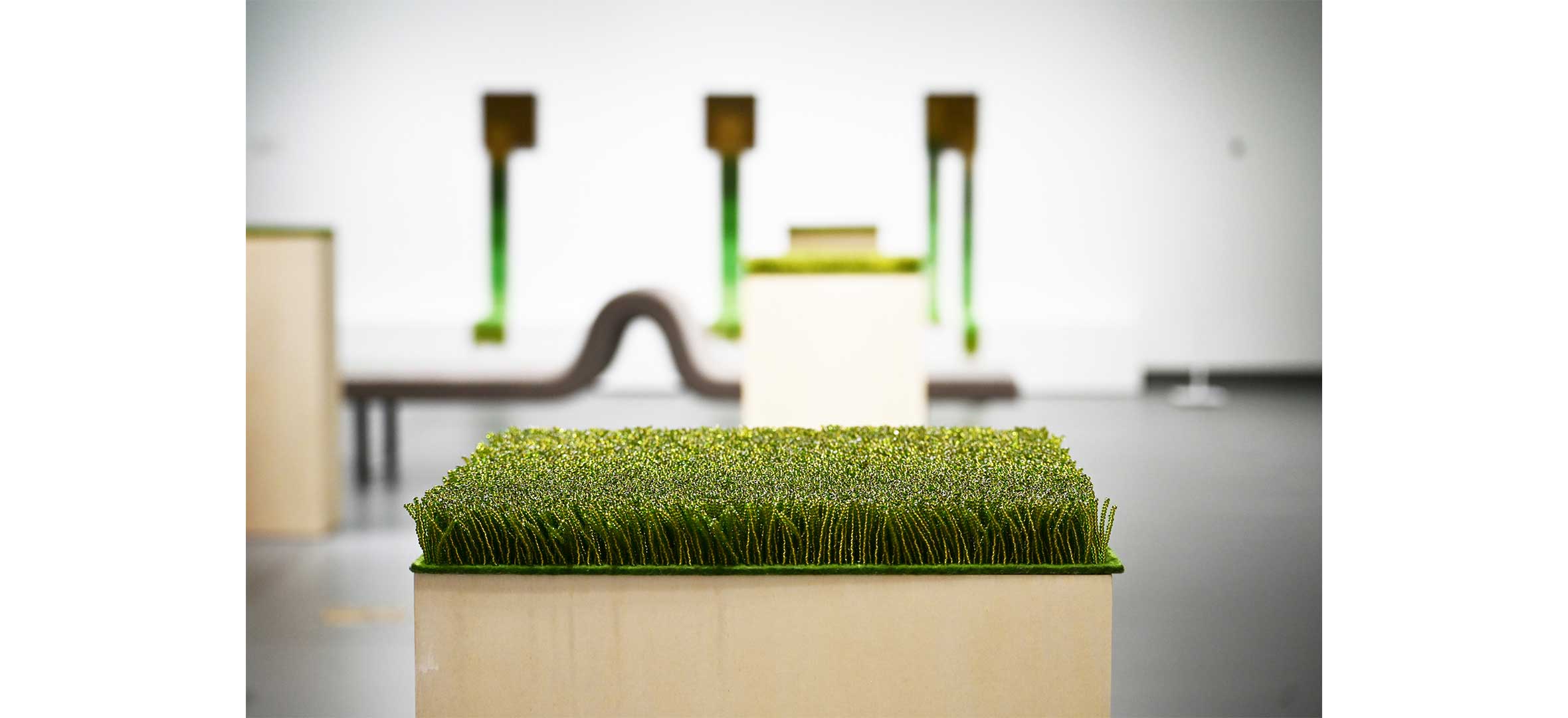
- Carrie Allison — Dartmouth, Nova Scotia — Beadwork, sculpture
- Bianca Shonee Arroyo-Kreimes — Montréal, Quebec — Digital installation
- Ari Bayuaji — Montréal, Quebec — Installation art
- Melanie Barnett — Medicine Hat, Alberta — Ceramic sculpture
- Maria Ezcurra —Montréal, Quebec — Textile installation
- Lara Felsing — Edson, Alberta — Painting, textiles
- Jude Griebel — Calgary, Alberta — Sculpture
- Mbelo Hervé — Montréal, Quebec — Painting
- Richard Ibghy & Marilou Lemmens — Durham-Sud, Quebec — Research-based installation
- Evan J — Victoria, British Columbia — Performance, poetry
- JP Longboat — Elgin, Ontario — Performance art
- Nevada Lynn — Whistler, British Columbia — Mixed media
- David McGregor — Goodfare, Alberta — Site-based art
- Emily Rose Michaud — Outaouais, Quebec — Social practice
- Nicole McDonald-Fournier — Montréal, Quebec — Agro-ecological art
- Melaw Nakehk’o — Yellowknife, Northwest Territories — Hidework
- Debra Frances Plett — Winnipeg, Manitoba — Sculptural books
- Masumi Rodriguez & Elena Kirby — Montréal / Toronto — Fibre installation
- Shay Salehi — Toronto, Ontario — Ecological research
- Xiaojing Yan — Markham, Ontario — Living sculpture
In April, five winners of the 2026 Rewilding Arts Prize will be announced. Each winner receives a $2,000 prize and will be showcased by the David Suzuki Foundation and Rewilding magazine.
2026 Rewilding Arts Prize jury
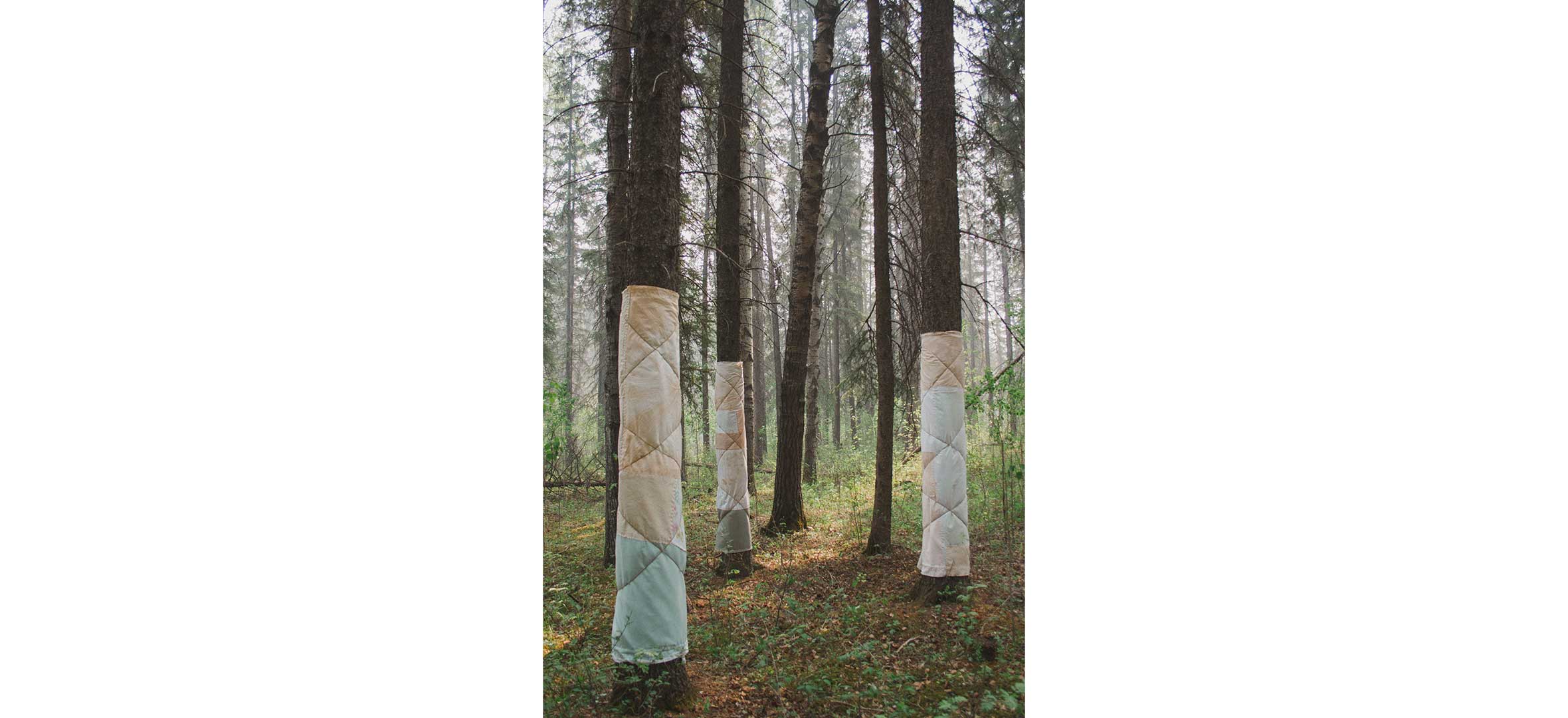
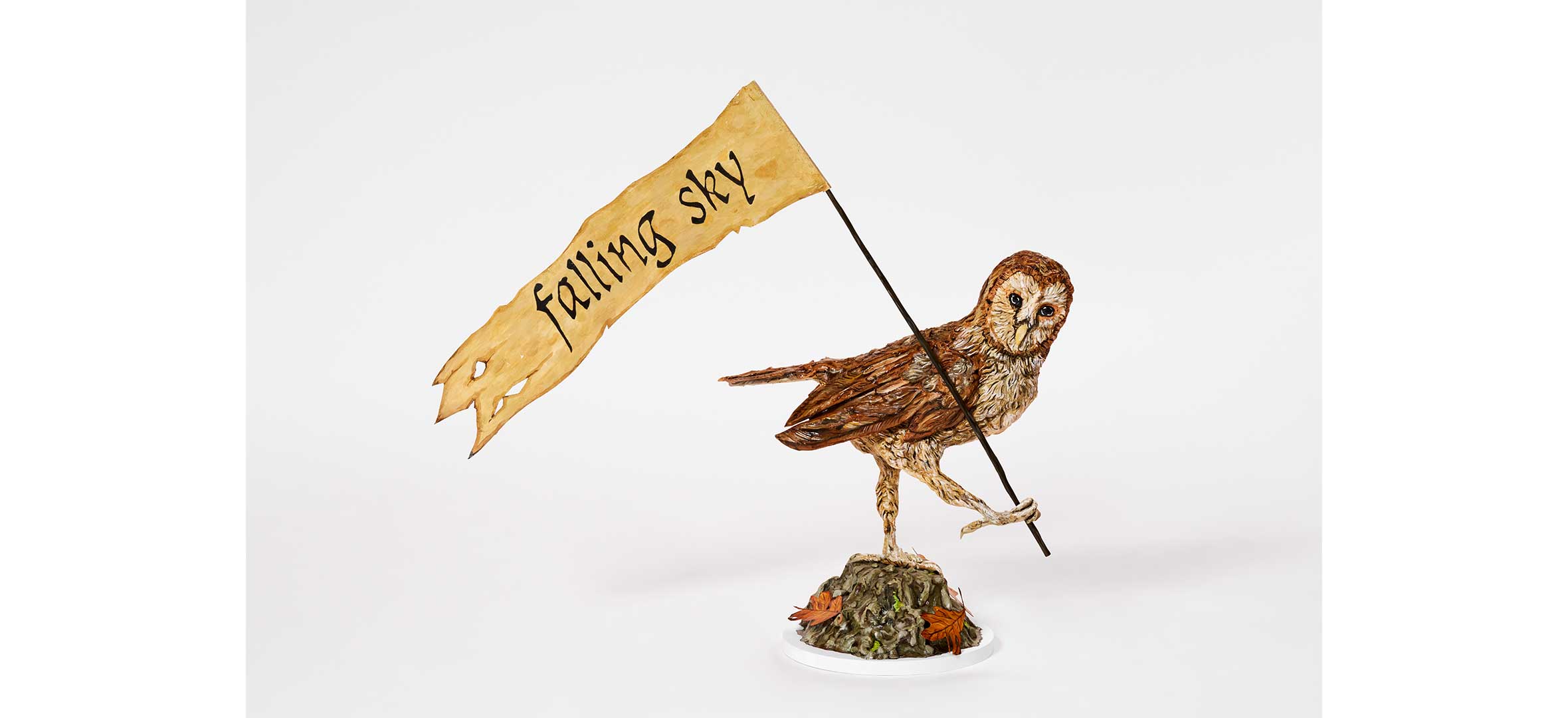
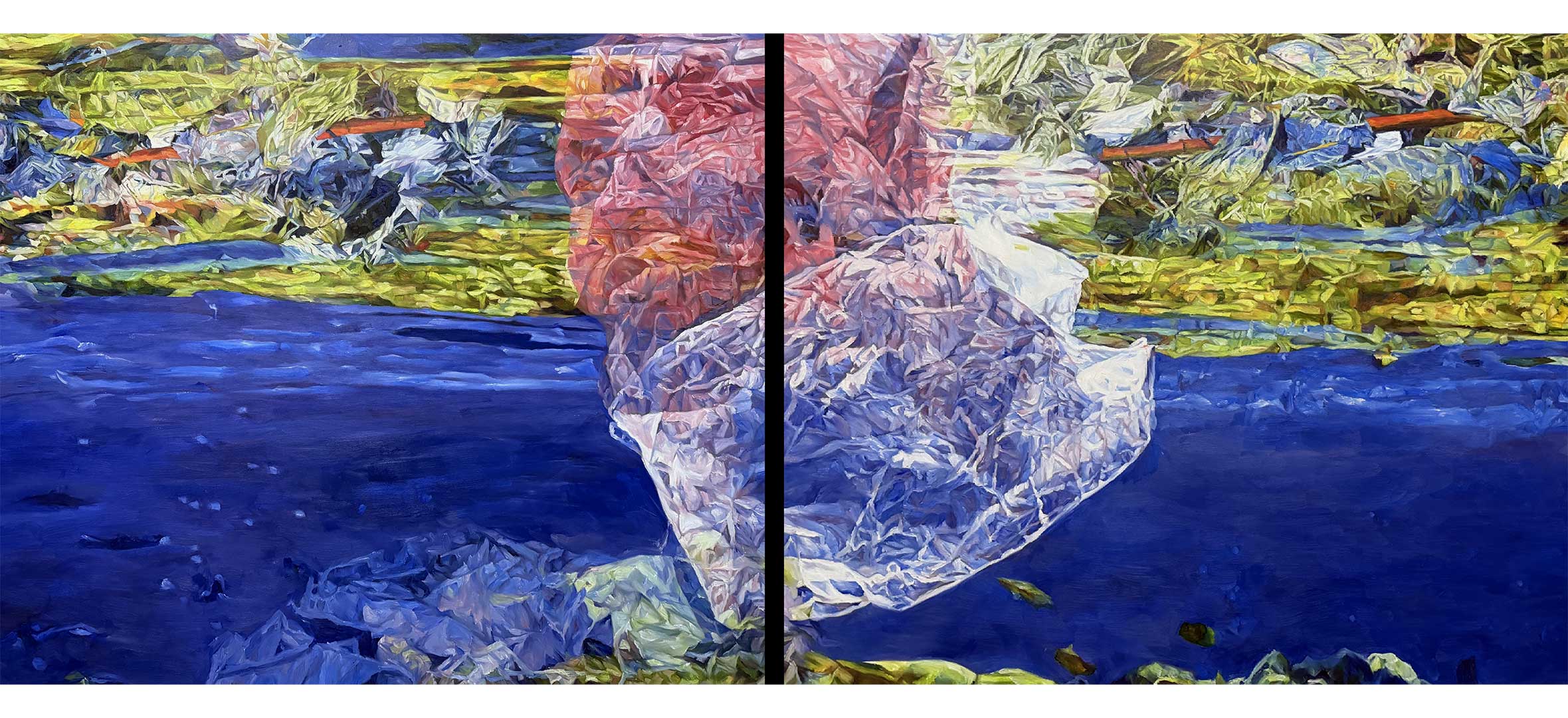
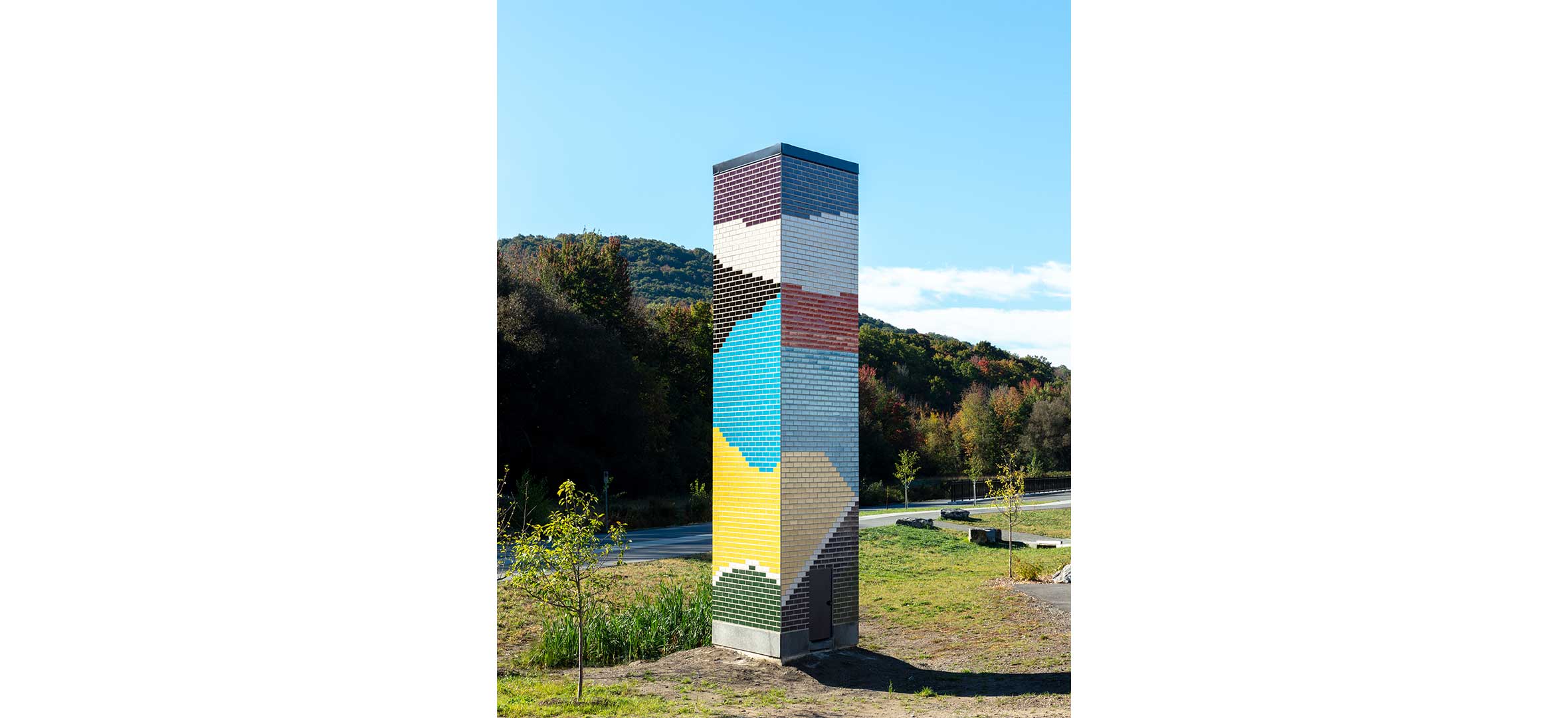
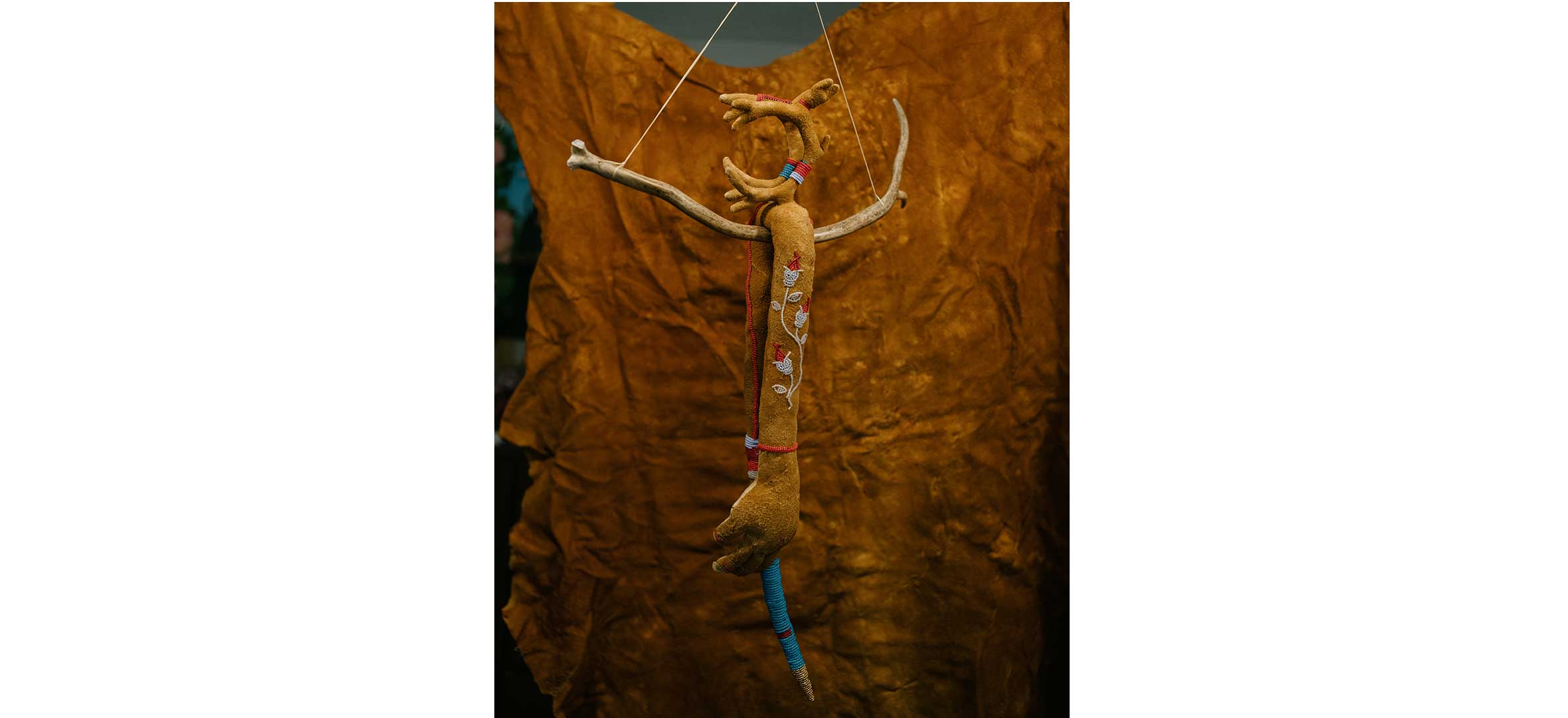
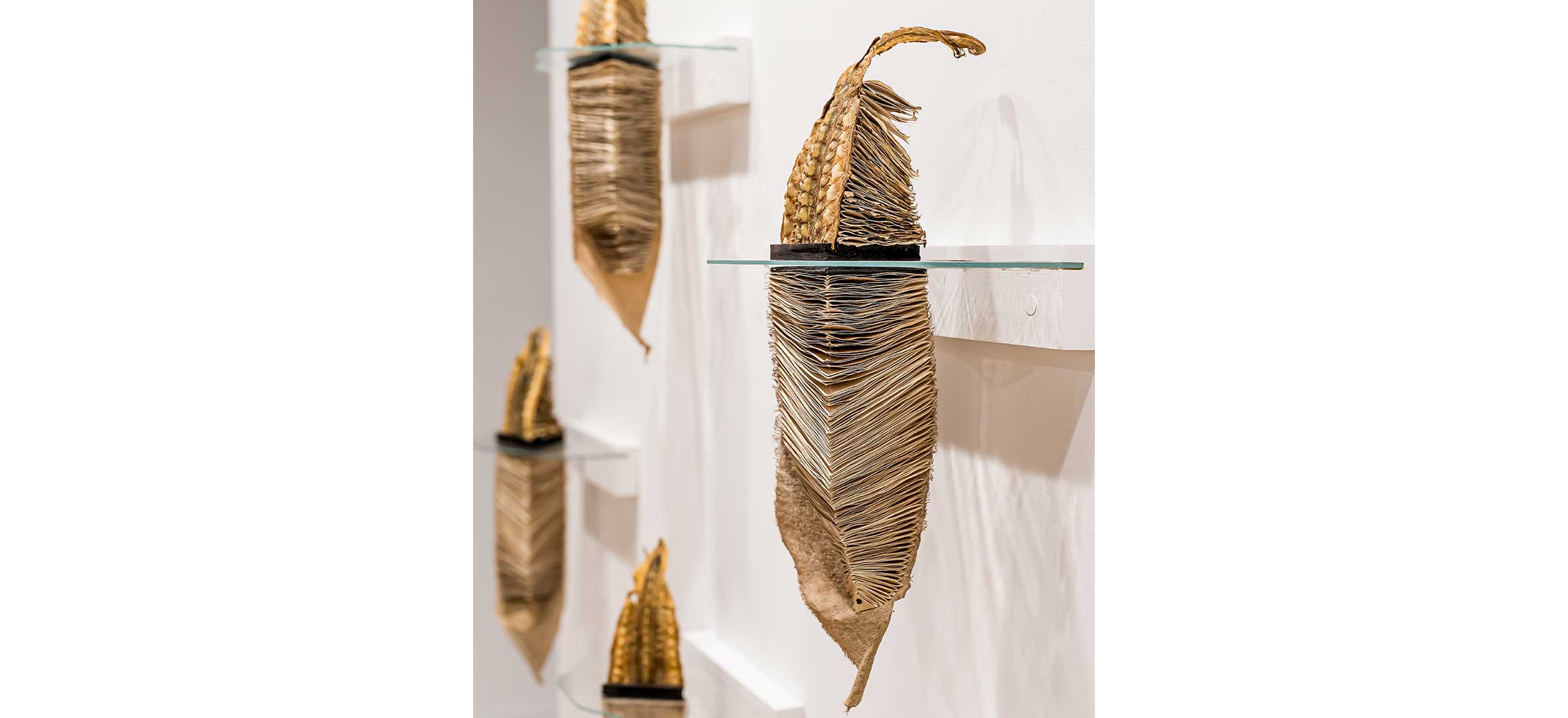
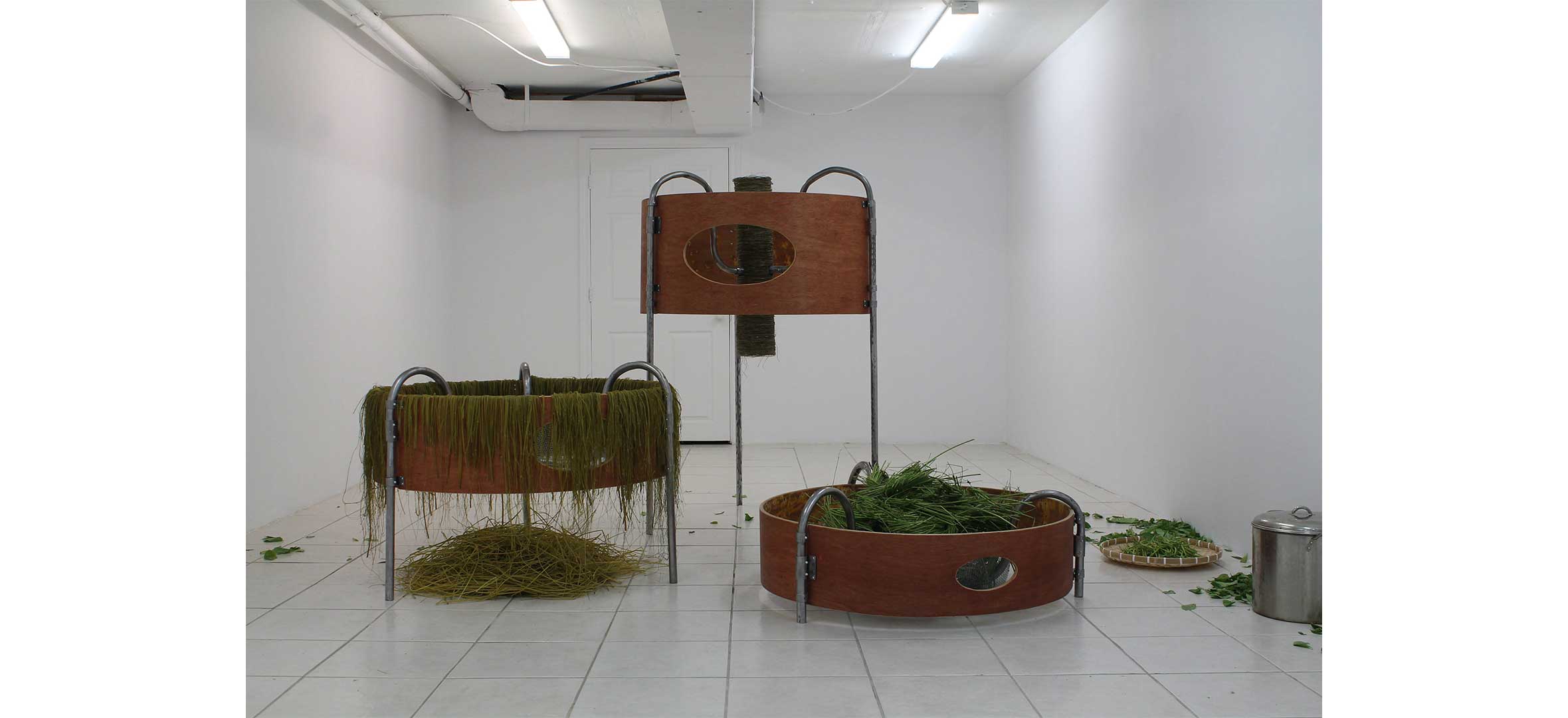
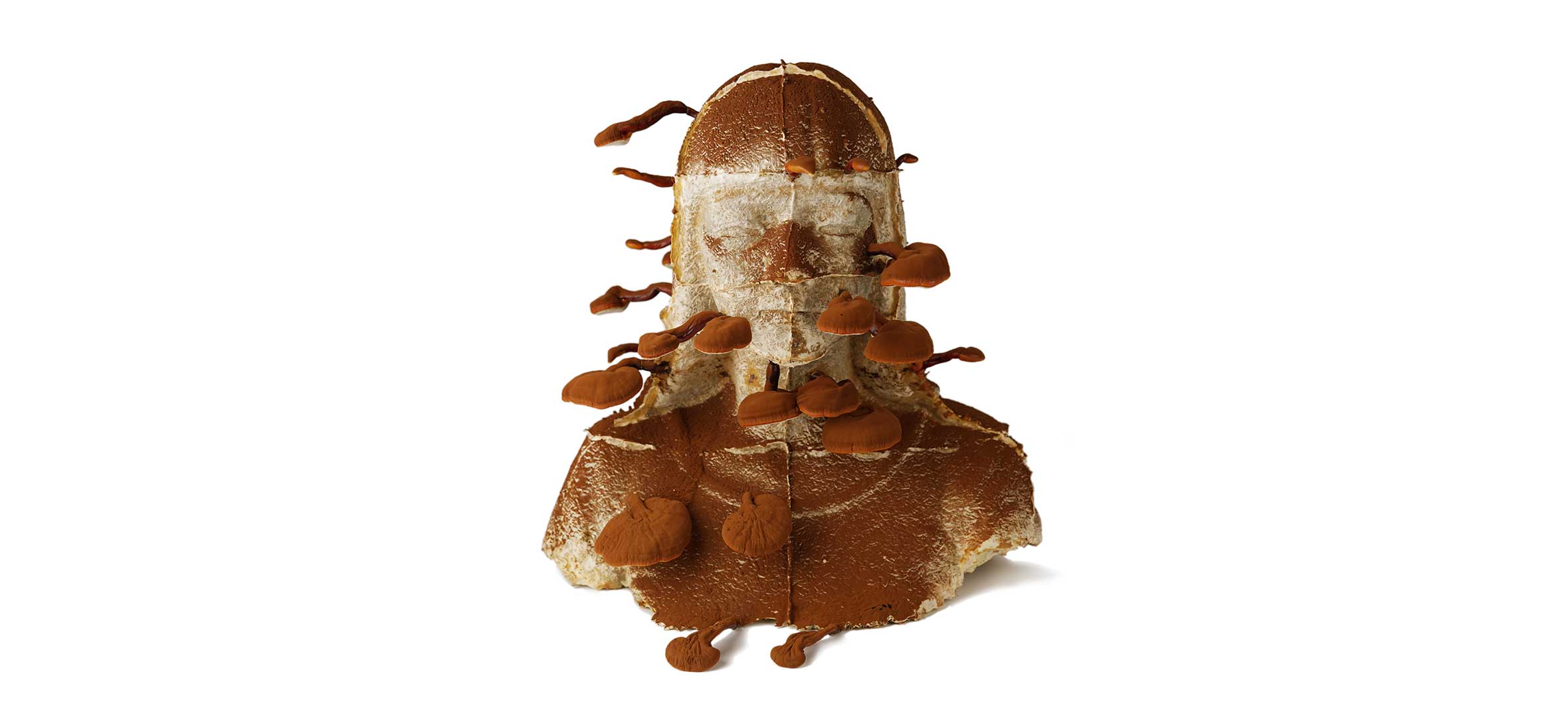
The eight jurors for the 2026 Rewilding Arts Prize are all talented Canadian artists and winners of the inaugural Rewilding Arts Prize. Below are links for each juror (listed alphabetically by last name).
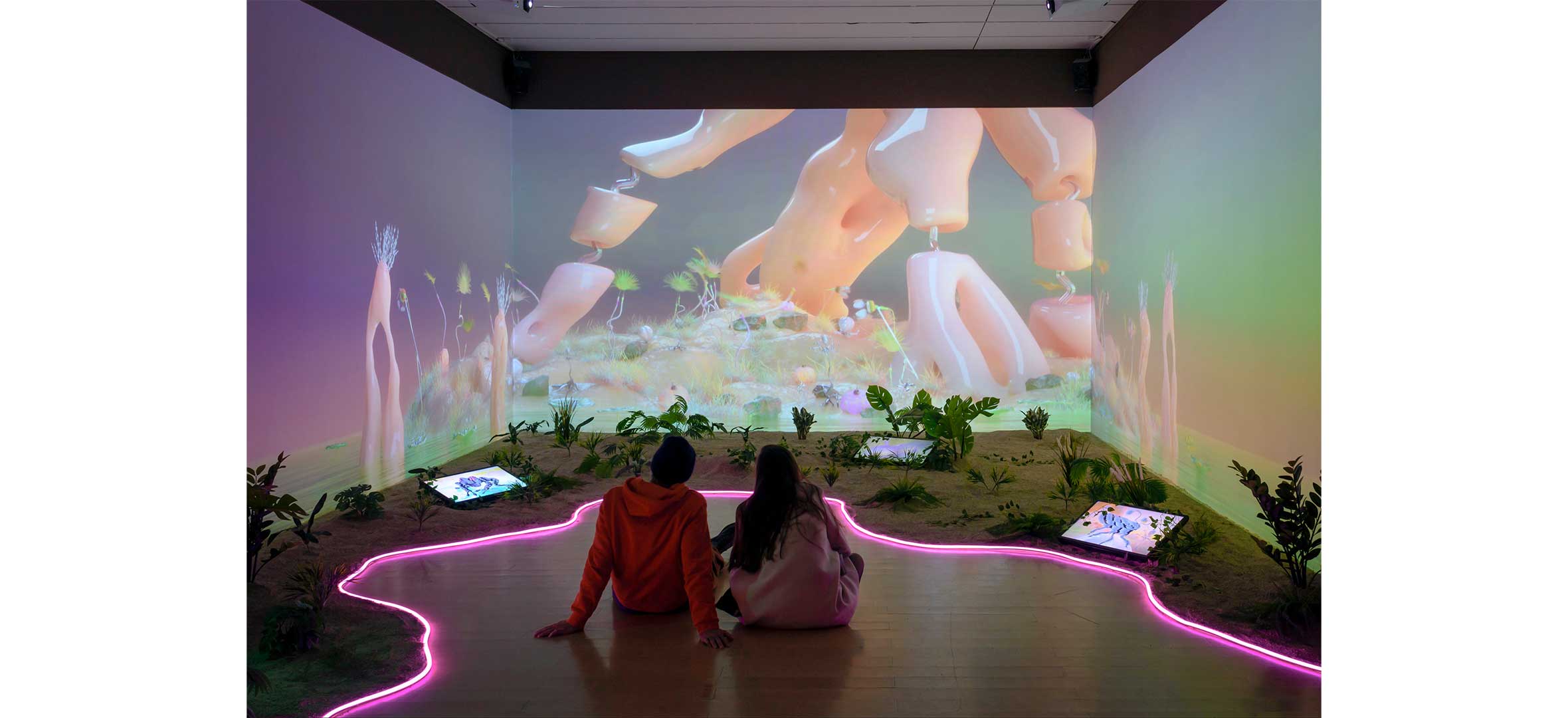
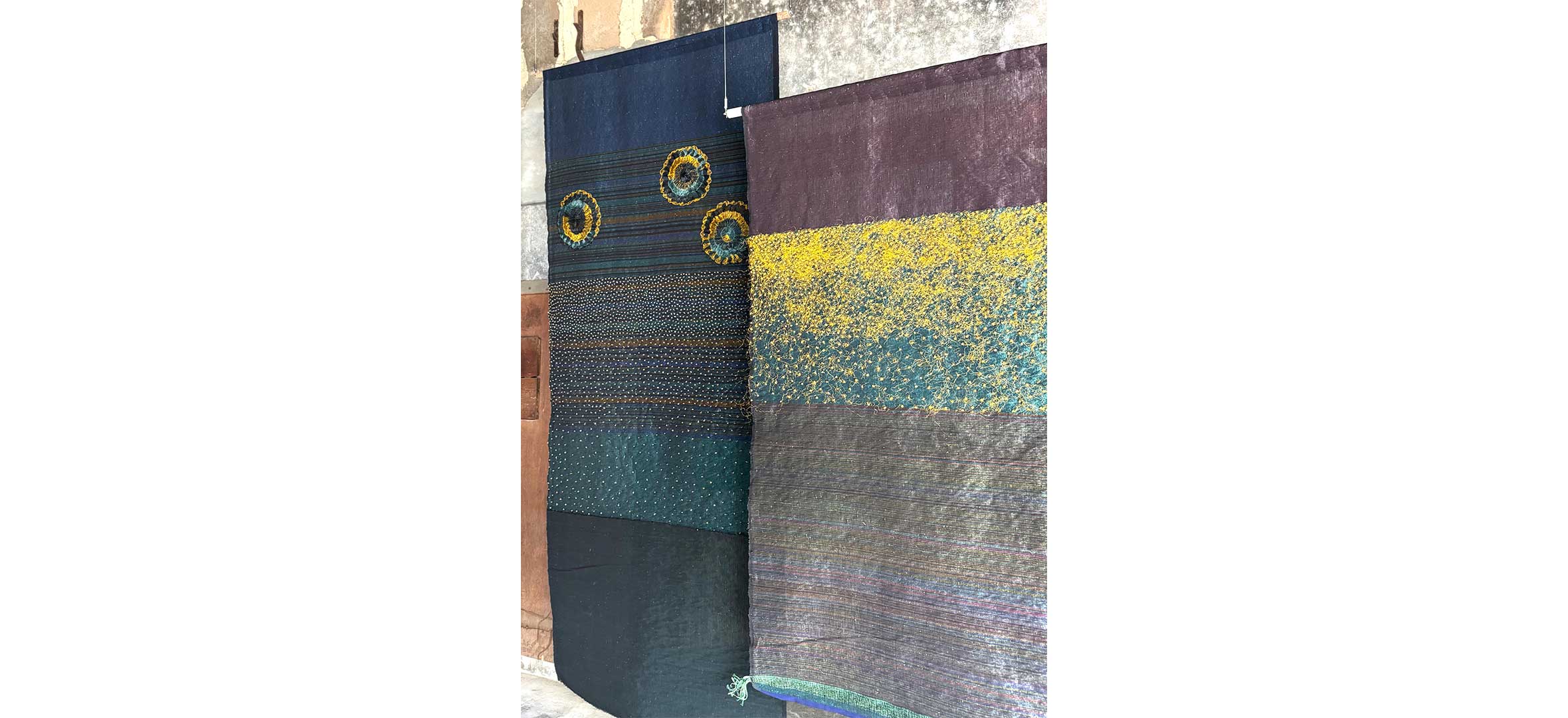
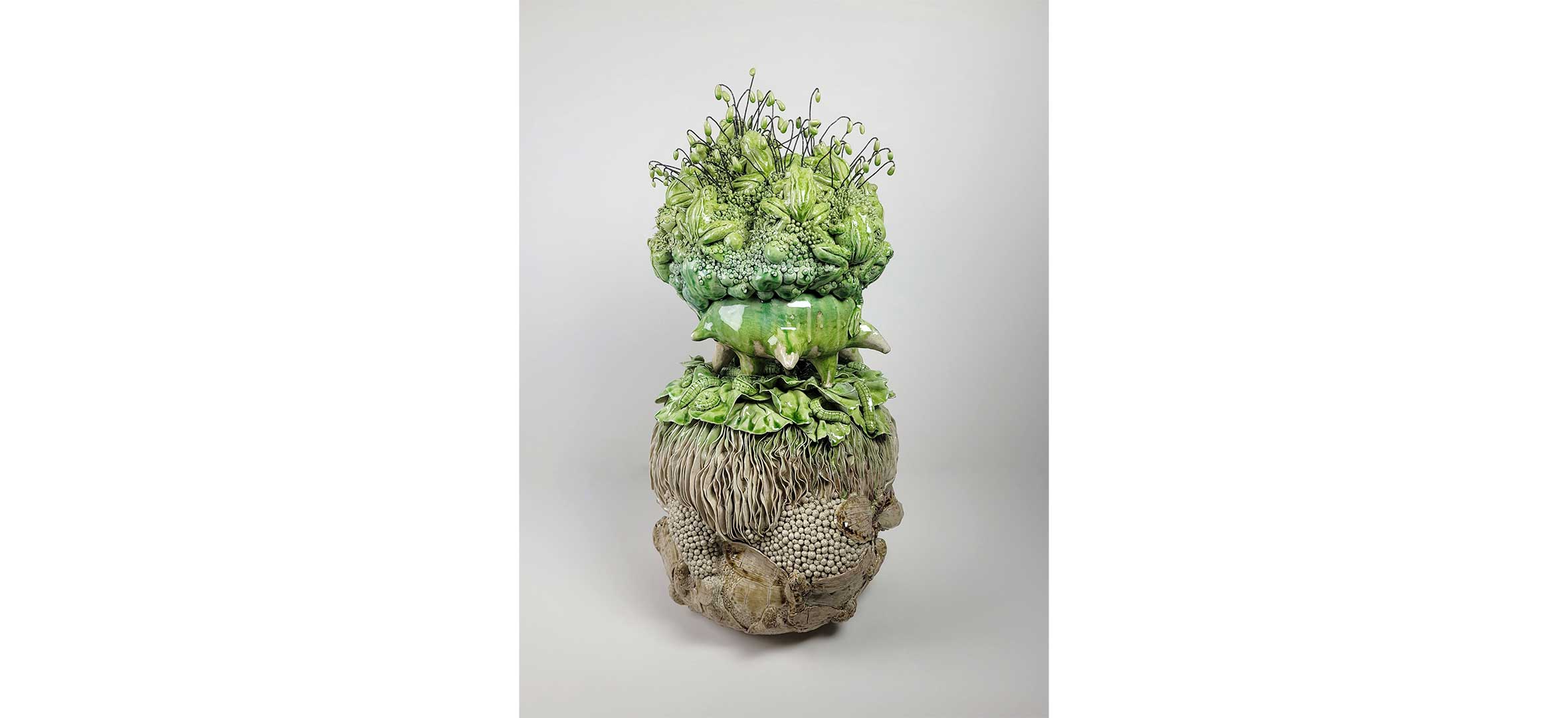
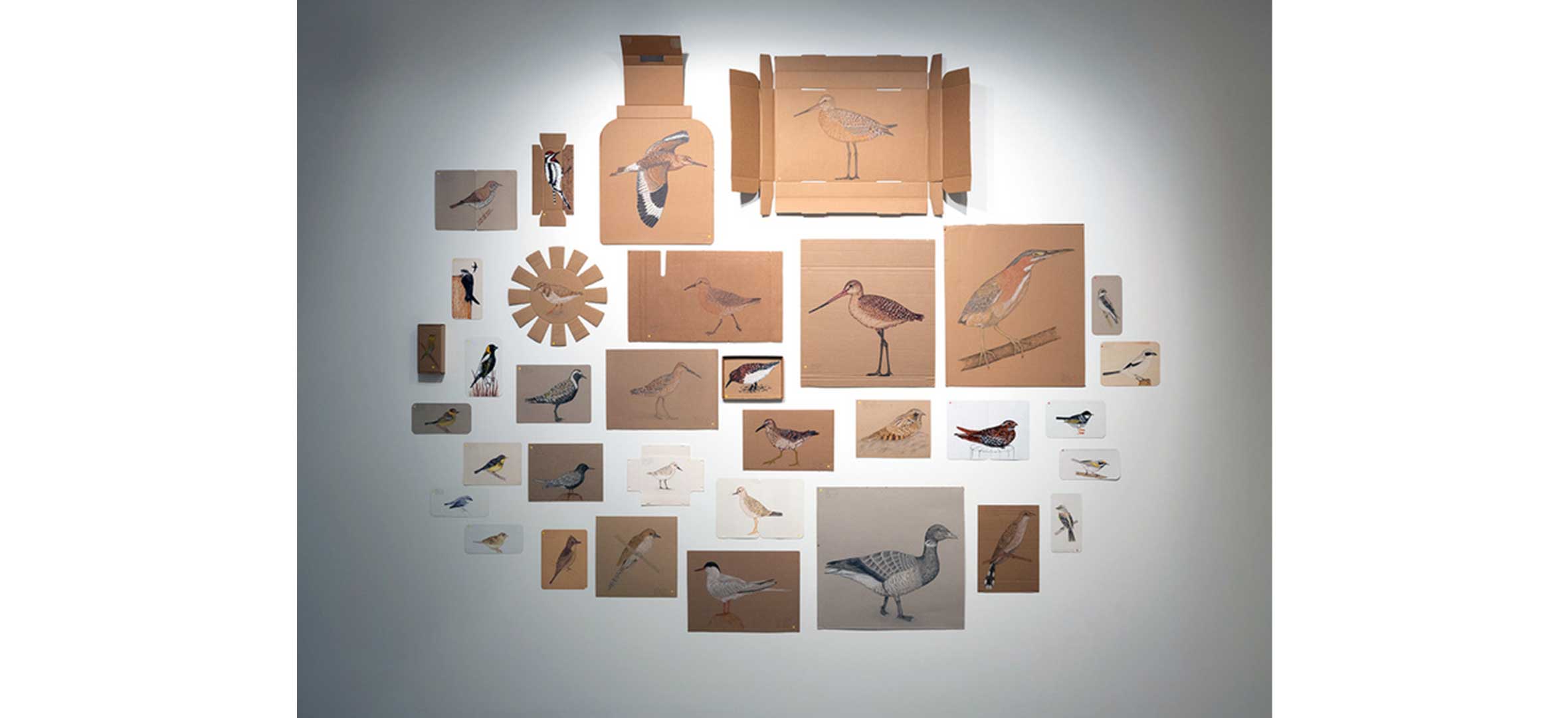
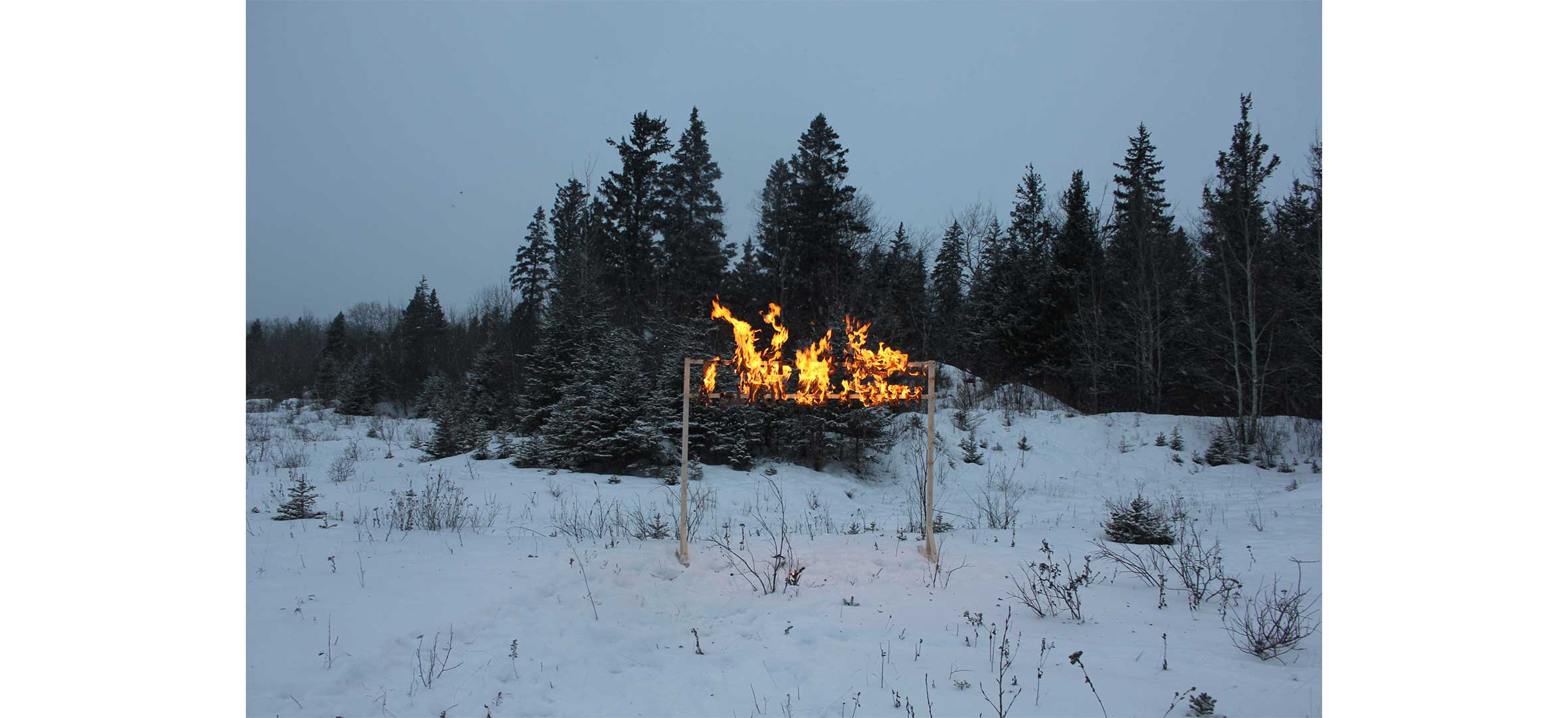
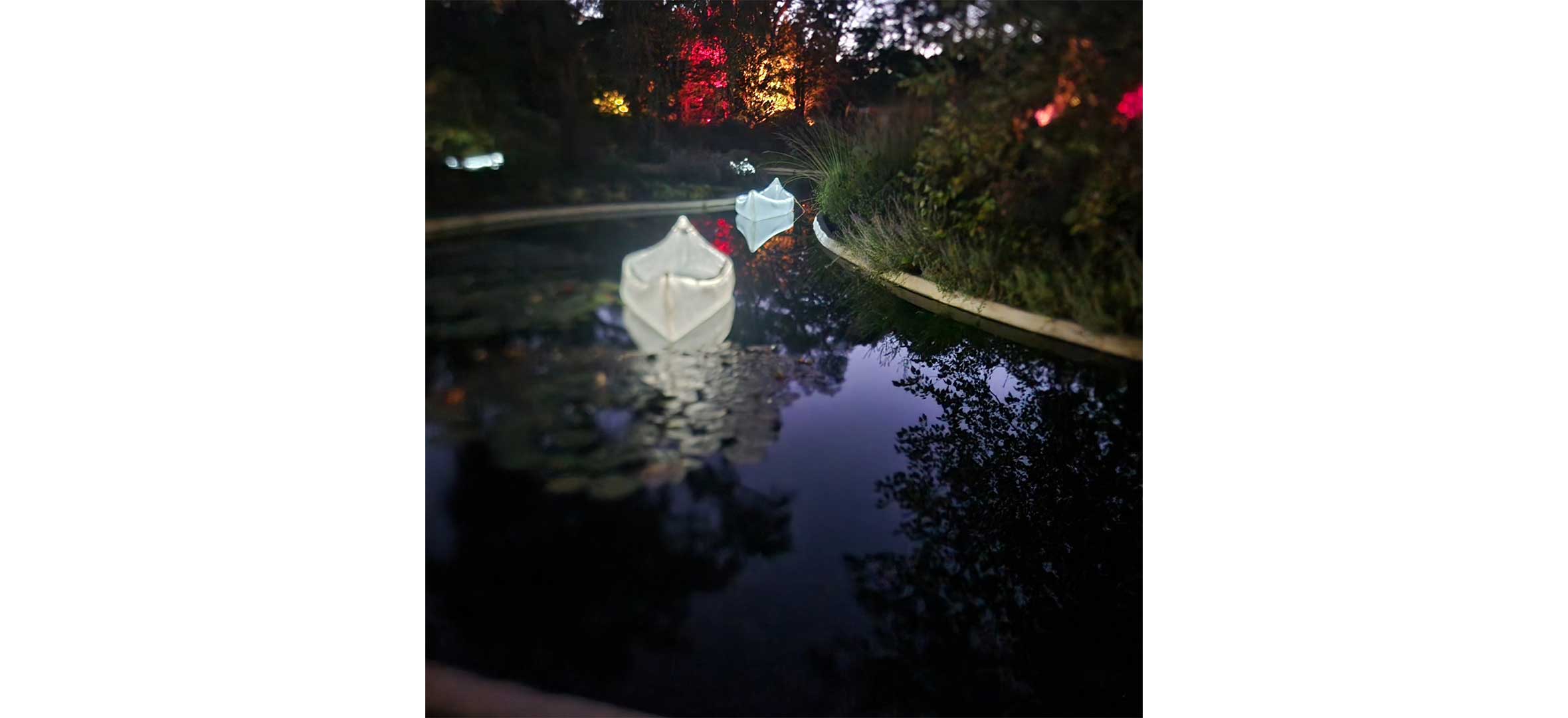
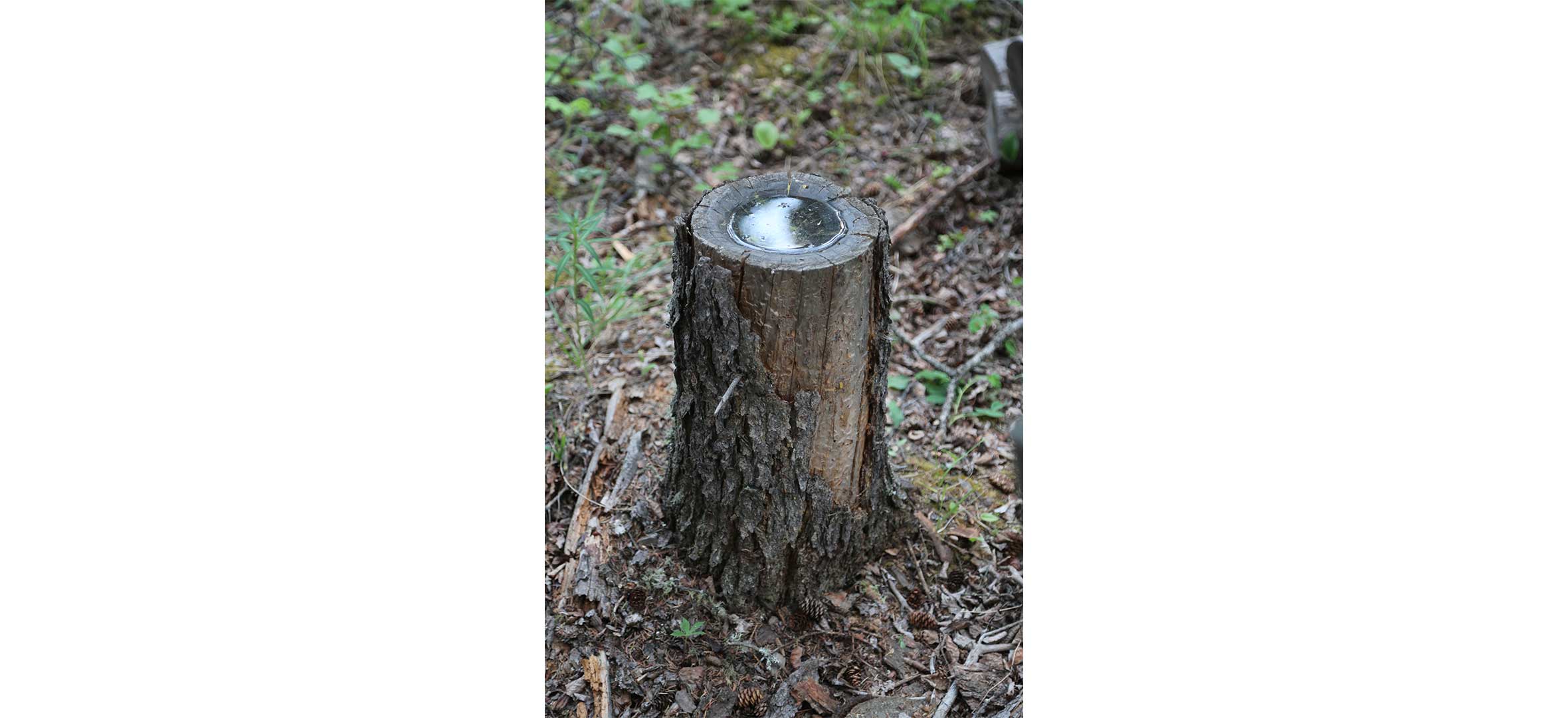
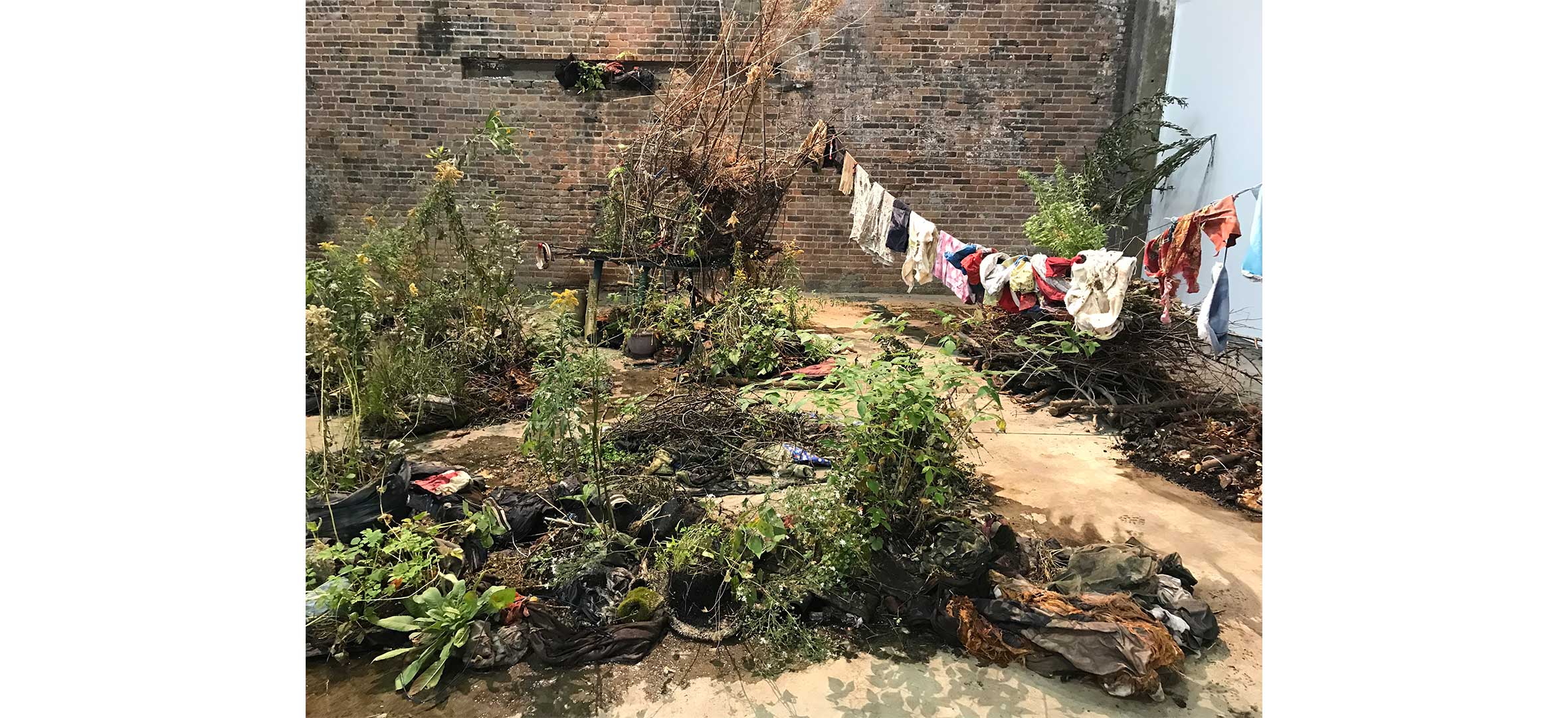
Past Winners
The inaugural Rewilding Arts Prize
The first Rewilding Arts Prize was launched in 2023 by the David Suzuki Foundation and Rewilding magazine. From more than 500 applicants throughout Canada, a jury of five acclaimed artists selected 13 winners whose work explores rewilding through textiles, sculpture, photography, performance, installation, sound and more. Their art has since been featured nationally and internationally, highlighting the power of creativity to reconnect people with nature.
2024 Rewilding Arts Prize winners (in alphabetical order by last name)
- Khadija Baker is a Tiohtià:ke/Montréal-based interdisciplinary artist whose installations explore home, displacement, identity, and memory through participatory storytelling. Her work has been exhibited internationally and recognized with major awards.
- Anna Binta Diallo is a multi-disciplinary Winnipeg-based visual artist raises questions about “wilderness” and how communities have attempted to exert control over the natural world.
- Laara Cerman is a British Columbia–based artist whose sculptural and image-based practice explores overlooked ecologies through botany, craft, and slow, tactile processes. Her work bridges digital and physical materials to deepen connection with the natural world.
- Kendra Fanconi is a director, writer, and creator of immersive, site-specific theatre rooted in place and ecological responsibility. A national leader in climate-focused artmaking, she brings eco-restorative theatre into landscapes, museums, and communities.
- Natasha Lavdovsky is an interdisciplinary artist working across video, performance, installation, and sculpture. Grounded in ecological stewardship, science-based research, and anti-colonial practice, her process-focused work explores environmental change, radical acts of care, decay, and the agency of natural materials.
- Hashveenah Manoharan is a Tamil-Canadian artist, ecologist, and arborist based in Toronto and Kitchener, Ontario. Her practice uses art as a way of showing attentiveness to the flora and fauna she works with, and as a means of telling forgotten ecological stories.
- Angela Marsh is an artist and activist based in the Wendat territory of Quebec City, creating projects that are the result of biophilic reciprocity and interspecies collaboration. She is currently pursuing her doctoral studies in art and ecology at Université Laval.
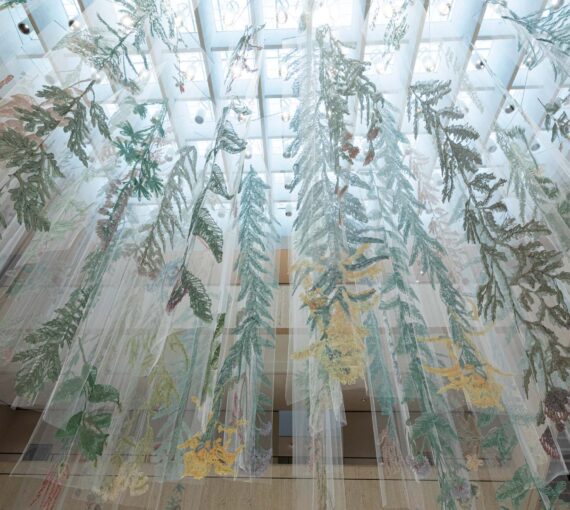
- Amanda McCavour is a textile artist who creates large-scale, immersive embroidered installations that highlight connections between scientific research, ecology and decorative patterns.
- Sarah Peebles is a Toronto-based installation artist, composer and musician. Resonating Bodies series has included media and art installations with a focus on native wild bees.
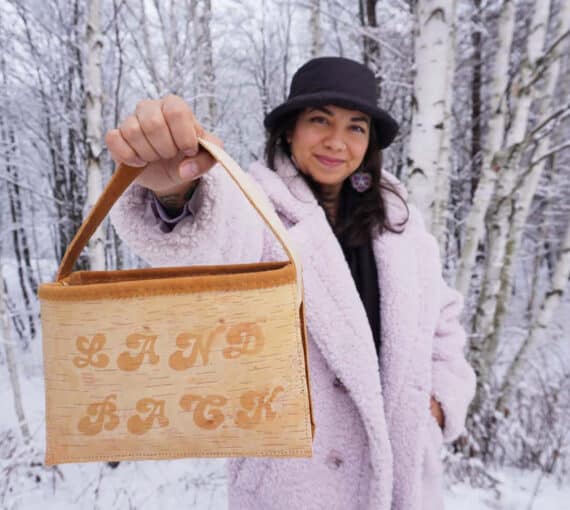
- Amber Sandy is an artist and land-based educator from Neyaashiinigmiing, Chippewas of Nawash First Nation. Working with hide tanning, beadwork, tufting and fur, her practice blends Indigenous knowledge and environmental science to support conservation and cultural continuity.
- Cole Swanson is a cross-disciplinary artist and educator that uses sound, installation, painting, and sculpture to explore sociocultural and biological histories.
- Justin Tyler Tate is an artist, architect brut, labourer, author and curator that creates ‘Post-Anthropocene Architecture’ that provides habitat for non-human species and benefit humans.
- Janice Wright Cheney is a Fredericton-based artist whose textile sculptures explore ecological loss, fragility, and imagined futures. She is a member of the Royal Canadian Academy of Arts, and her work has been exhibited across Canada and internationally.
2024 Rewilding Arts Prize jury
Rewilding Arts Prize recipients were chosen by a jury of artists, including visual artist, author and advocate Christi Belcourt; printmaker and visual artist Edward Fu-Chen Juan; visual artist and educator Charmaine Lurch; visual journalist and author Sarah Lazarovic and multidisciplinary street artist Nick Sweetman.
The Rewilding exhibition
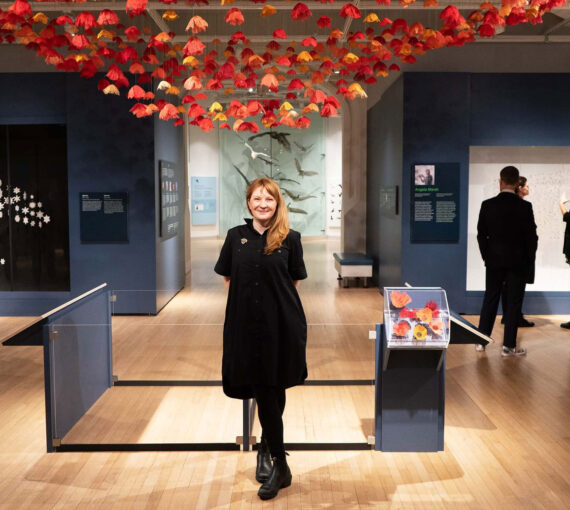
Winners of the inaugural prize were featured in the Rewilding Arts exhibition at the Canadian Museum of Nature in Ottawa. On view from October 2024 to October 2025, it was the first rewilding-themed art exhibition at a major Canadian museum.
Visitors stepped into a captivating realm where art and nature merge, encountering large-scale installations, intricate textiles, immersive soundscapes and bold sculptures. The exhibition demonstrated how art can be both poetic and practical — inspiring ecological awareness, sparking public dialogue and connecting people more deeply with the natural world.
With educational programs, artist talks and hands-on workshops inspired by the exhibition, audiences of all ages were invited to explore rewilding from fresh perspectives. More than a gallery show, the exhibition was a cultural milestone, showcasing how creativity can illuminate ecological challenges and inspire collective action.