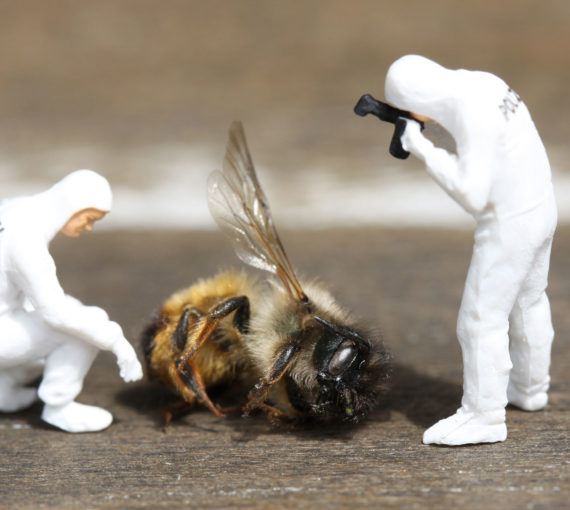
Insects are in deep trouble. But there is hope.
Insects are vanishing from our landscapes — and not just the headline-grabbing ones. like monarch butterflies and honeybees. Scientists are documenting dramatic drops in countless species, from fireflies and bumblebees to beetles and worms. Quietly, the tiny creatures that keep ecosystems alive are disappearing around us.
When pollinators disappear, ecosystems start to unravel. The good news is that we can help bring them back — one native plant, one garden and one neighbourhood at a time.
Jode Roberts, Manager, Rewilding Communities program
Why are pollinators struggling?
There’s no single cause behind insect declines. Habitat loss, sprawling development, pesticide use, industrial agriculture and climate change are all reshaping the landscapes insects depend on. Wetlands, meadows and native grasslands are disappearing, while many urban and agricultural areas offer little food, shelter or nesting habitat for pollinators and other species.
Scientists around the world are documenting troubling declines in many insect populations — a warning sign that ecosystems are under stress. Like the “silent spring” Rachel Carson warned about decades ago, the disappearance of insects is a reminder that human actions can profoundly reshape the natural world.
Most pollination in Canada happens quietly in the background, thanks to hundreds of species of wild bees living in our forests, fields, parks and neighbourhoods. Here are a few you might spot close to home.
Get to know some wild bees in Canada!
Mason bees
Mason bees use mud to make nests in holes and cracks in wood and masonry.
Sweat bees
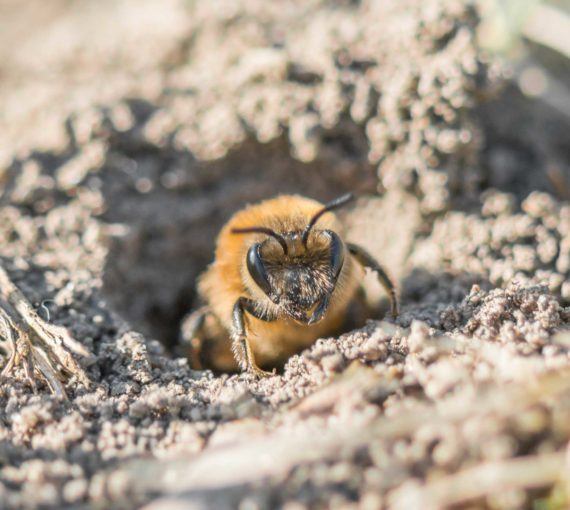
Colourful, sometimes metallic green, sweat bees nest in the ground.
Leafcutter bees
Solitary leafcutter bees make nests from chewed-up leaves.
Why are pollinators important?
Insects are the tiny workers that keep ecosystems functioning. They pollinate plants, recycle nutrients, enrich soil and provide food for birds, fish and countless other species. More than three-quarters of wild flowering plants depend on animal pollinators, along with many fruits, vegetables and nuts we eat every day.
When people think about pollinators, they often picture honeybees. But Canada is home to more than 800 species of wild bees — along with butterflies, moths, beetles, flies and other important pollinators. Many native bee species are remarkably effective pollinators, yet they often go unnoticed as they quietly help forests, farms and neighbourhoods thrive.
Insects around the world
45 per cent
Invertebrate species have declined 45 per cent over the past four decades.
$57 billion
Wild insects provide ecological services worth $57 billion annually.
Three-quarters
Over three-quarters of wild flowering plants and one-third of the food we eat depend on insect pollination.
How can we help pollinators?
Many of the insects most at risk live right alongside us. The good news? Cities and suburbs can become surprisingly rich habitat for bees, butterflies and other pollinators when we make space for them.
By rethinking our lawns, parks, schoolyards and boulevards, we can help turn fragmented urban spaces into healthier, more connected habitat. Even small patches of native plants can provide food, shelter and nesting space for pollinators moving through our communities.
How do we bring nature home?
Small actions can have a big impact. Adding native wildflowers, shrubs and trees to a yard, balcony, schoolyard or community space helps provide the nectar, pollen and shelter pollinators need to survive.
Every patch of habitat matters. And when those patches begin to connect across a neighbourhood, they create a kind of living network that helps support pollinators and other wildlife throughout our communities.
Bring nature home
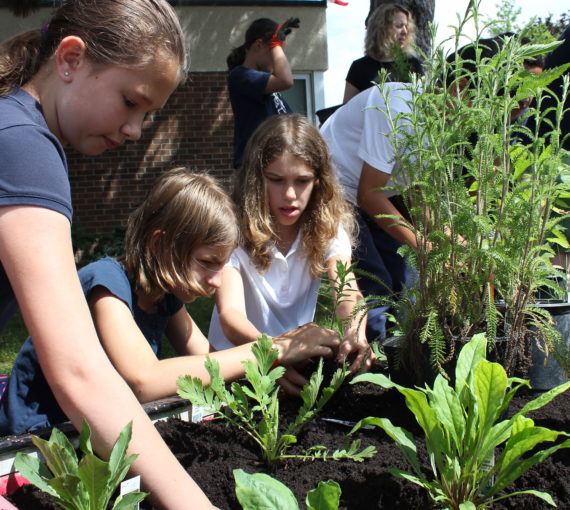
The Butterflyway Project
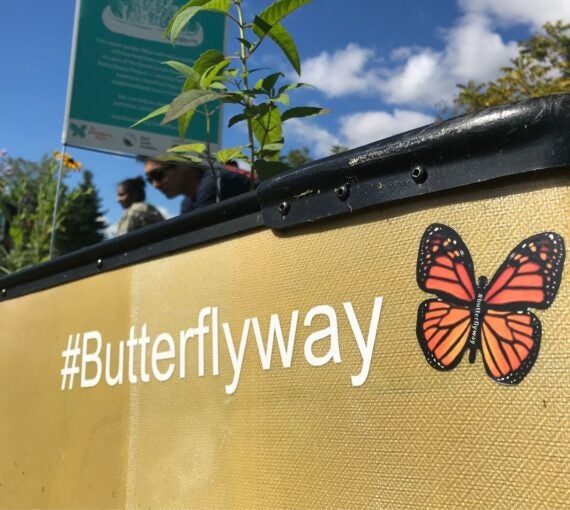
Since 2017, the David Suzuki Foundation’s Butterflyway Project has been helping residents create neighbourhood-scale corridors for butterflies and bees. Each year, we have recruited hundreds of volunteer Butterflyway Rangers with the goal of creating networks of citizen-led pollinator corridors.
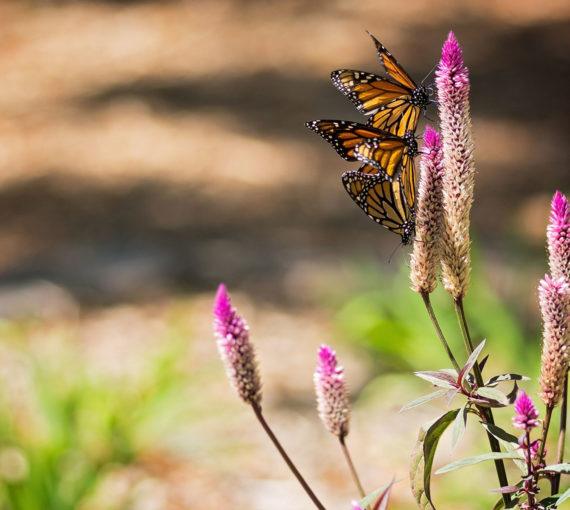
Monarch Mayors’ Pledge
A tri-national program in the U.S., Canada and Mexico has seen more than 600 communities along the monarch migration route commit to creating monarch-friendly habitat through the Monarch Mayor’s Pledge.
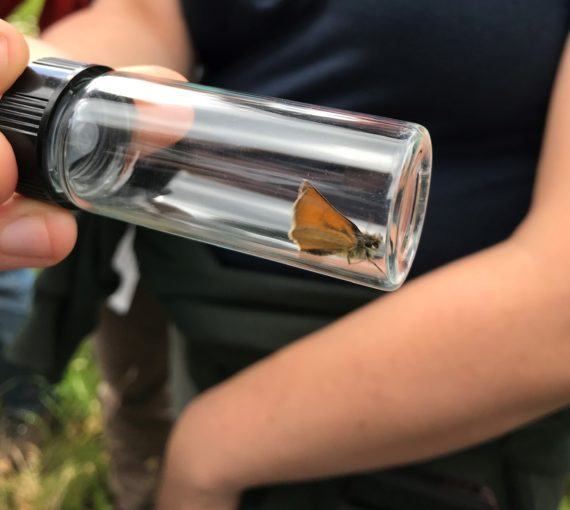
The BIMBY Project
The Butterflies in My Backyard (BIMBY) project is a growing national community science initiative hosted on the iNaturalist platform and led by UBC researchers, the David Suzuki Foundation and a team of volunteers. Since the project expanded nationally in 2024, hundreds of participants throughout Canada have helped document butterflies and their relationships with native plants.