Alberta’s deal with Ottawa threatens Canada’s clean electricity rules, risking millions of tonnes of emissions savings and billions in avoided health-care costs.
It’s easy to make a deal when you’re willing to compromise on everything.
That’s what November’s memorandum of understanding between the governments of Alberta and Canada demonstrates.
This moment may represent a new low for climate politics in Canada. Much has been said about the catastrophically bad idea of a new bitumen pipeline to the Pacific coast. However, there are many other details, compromises and conditions in this memorandum that have important climate and economic implications.
This moment may represent a new low for climate politics in Canada.
After three years of consultations, development and revisions, Canada’s clean electricity regulations were finally published less than 12 months ago. But they’re on the chopping block as part of this deal.
Alberta’s electricity system is by far the most polluting in Canada, with 59 per cent of the total emissions reductions from the federal regulations coming from the province. But the memorandum of understanding created a pathway to potentially exempt Alberta from these regulations.
The deal contemplates the immediate suspension of the regulations in Alberta pending a new carbon pricing agreement. A vague and unenforceable commitment to net-zero by 2050, as the moratorium seems to suggest, would be a poor substitute for the federal regulation in Alberta, which sets requirements starting in 2035.
Alberta Premier Danielle Smith has been talking in recent weeks as though the province will get a straightforward exemption, while federal Environment and Climate Change Minister Julie Dabrusin continues to defend the memorandum, saying the clean electricity regulations are still in full force.
So, which is it? Former Canadian Identity and Culture Minister Steven Guilbeault seems to have made his determination clear, citing this policy betrayal on clean electricity clearly in his resignation letter — pointing to the 182 million tonnes of emissions savings and more than $3 billion in avoided health-care costs that would have come with the regulations.
It’s difficult to trust that the Alberta government would act in good faith to reduce electricity sector emissions — especially after the province spent more than $8 million of public money on misleading attack ads against the regulations and imposed investment-killing moratoriums and other barriers on renewables.
It’s difficult to trust that the Alberta government would act in good faith to reduce electricity sector emissions — especially after the province spent more than $8 million of public money on misleading attack ads against the regulations and imposed investment-killing moratoriums and other barriers on renewables.
Alberta is also challenging the regulations in the Alberta Court of Appeal. Will the province rescind the court challenge now that it has its way?
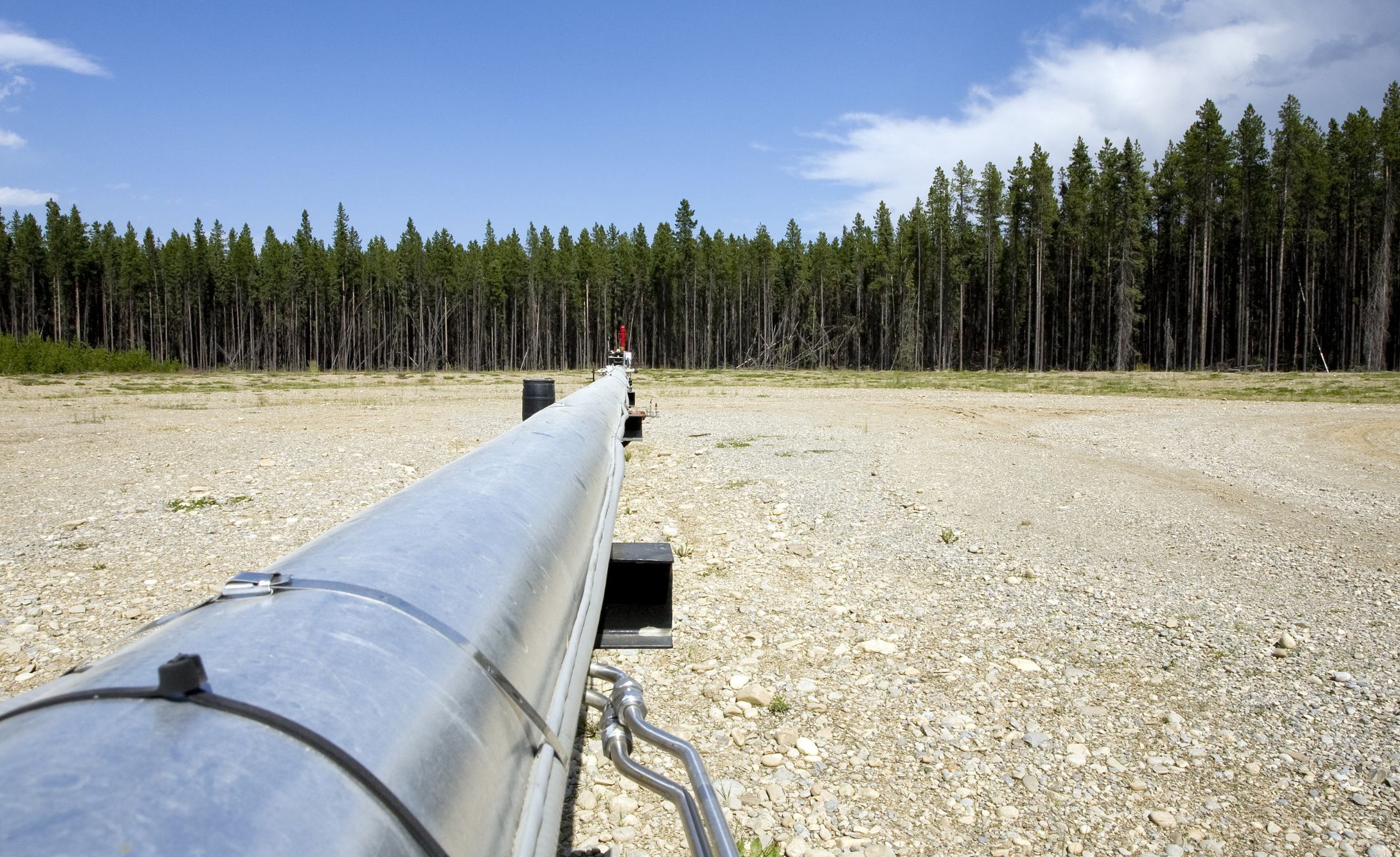
The federal government seems willing to cancel or delay its own laws and regulations to allow a new bitumen pipeline. What will it get in return? A plan-to-make-a-plan to fix Alberta’s broken industrial carbon pricing system, and a condition that a $16.5 billion carbon capture and storage project be built — with up to 60 per cent of the capital costs being covered by taxpayers as part of a federal tax credit.
This rollback on climate action is in addition to Canada’s existing climate stance, which is bleak. This month, Climate Action Tracker updated Canada’s climate stance to “highly insufficient.” Canada also won the infamous “Fossil of the Day” award at COP30, and the Parliamentary Budget Office said that Canada could be 102 million tonnes of emissions short of it’s 2030 targets.
Leaning into a hockey analogy — as our prime minister loves to do — we need to skate to where the puck is going, not to where it has been.
Leaning into a hockey analogy — as our prime minister loves to do — we need to skate to where the puck is going, not to where it has been.
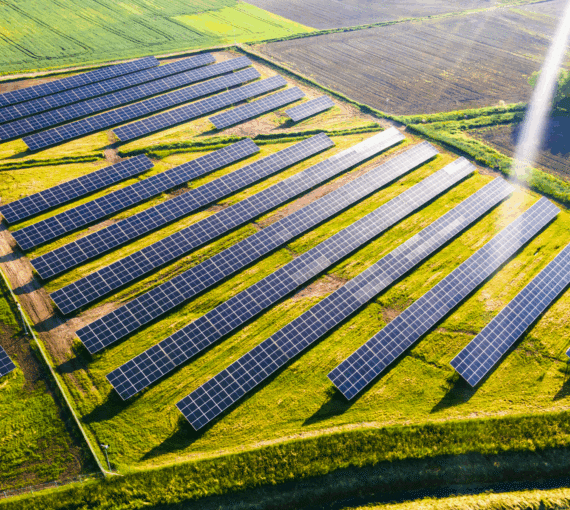
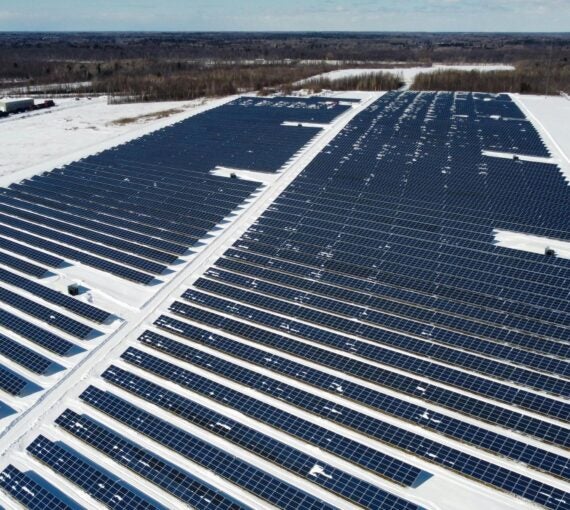
As experts have routinely pointed out, the future is electric. Wind and solar are the cheapest forms of electricity in history, and virtually every modelling study that considers cleaner electricity, better connected grids and more energy efficiency shows that this transition will bring down the cost of energy for Canadian households.
There’s still time for the federal government to recommit to a future that sets Canada up for the long game. A pan-Canadian, east-west electricity grid is part of that future — one that creates tens of thousands of good union jobs and supports sectors like aluminum and steel. One that saves billions of dollars on health-care costs. One that highlights and supports existing Indigenous leadership in clean electricity from coast to coast to coast.
The federal government has the opportunity to make better choices and show up for people struggling with the cost of living and mounting climate impacts. We just need government to leave oil lobbyists behind and start building the Canada we know is possible.
This op-ed was originally published in The Hill Times.