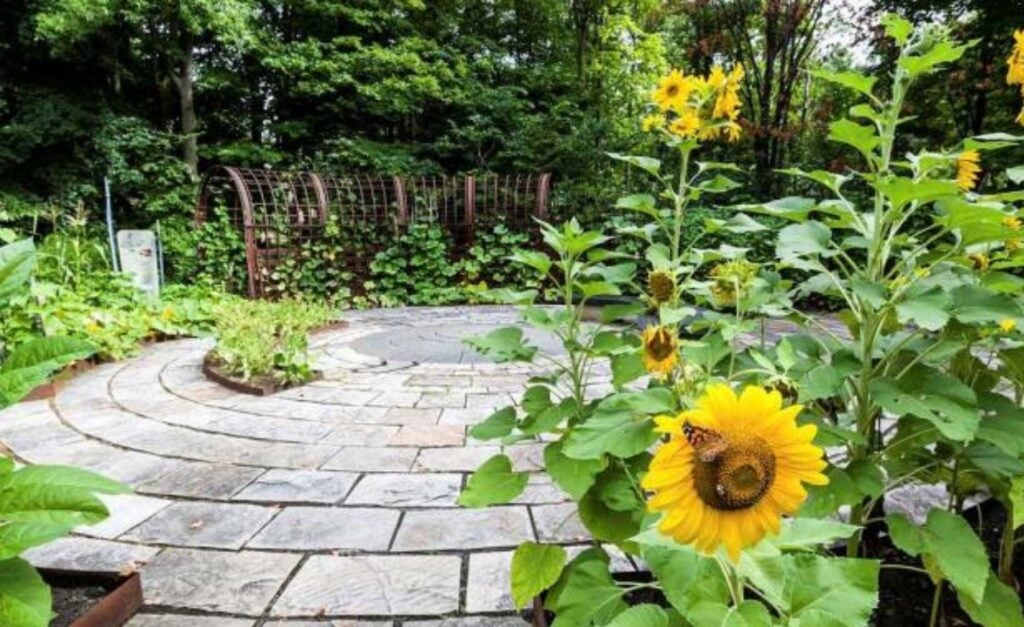
The First Nations Garden located in the heart of the Montreal Botanical Garden. (Photo: The First Nations Garden via Espace Pour La Vie Montreal)
Communities across Canada are creating healing gardens, outdoor spaces that bring people together to reflect, learn, remember and reconnect with the land.
What are healing gardens?
These spaces go by many names. Some are known as medicine gardens, Indigenous plant gardens, teaching gardens and reconciliation gardens. Some are large public landscapes while others are in schoolyards, hospital courtyards, church grounds, community parks or neighbourhood green spaces.
What they share is a commitment to healing relationships with nature, with one another and with the histories of the places we call home.
Many healing gardens are Indigenous-led or created in partnership with Indigenous communities, Elders, knowledge-keepers and organizations. They often include native, medicinal and culturally significant plants and provide opportunities to gather, learn, reflect and engage in ceremony.
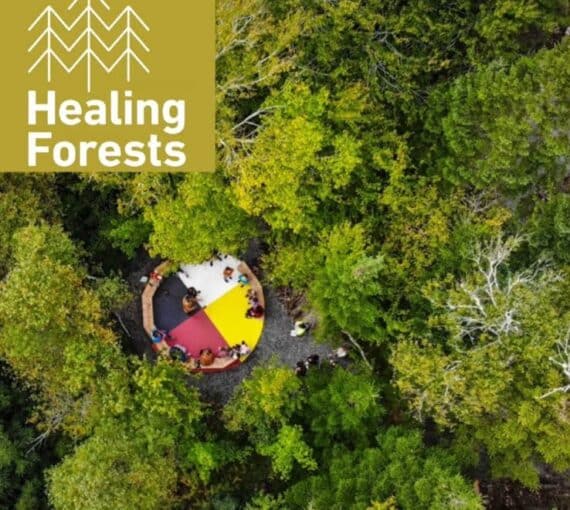
Many of these spaces are connected through the National Healing Forests Initiative, a growing network of communities creating places for reflection and reconciliation. While healing forests are often larger landscapes, many communities are also creating healing gardens, medicine gardens and Indigenous plant gardens that share similar goals and values.
Why healing gardens matter
Healing gardens offer communities a tangible way to:
- Honour Indigenous histories, culture and knowledge
- Create spaces for reflection and remembrance
- Support mental, physical and spiritual wellbeing
- Restore habitat for pollinators, birds and other wildlife
- Build stronger relationships between people and place
- Bring communities together through shared stewardship
Like habitat gardens, healing gardens demonstrate that even relatively small spaces can have a meaningful impact. A courtyard, schoolyard or community garden can become a place where stories are shared, medicines are grown and connections are strengthened.
Healing happens in relationship — with one another, with the land and with the stories that connect us.
— Patricia Stirbys, co-founder, National Healing Forests Initiative
A growing movement
Since 2015, the National Healing Forests Initiative has supported communities throughout Canada in establishing healing forests.
The network now includes projects in parks, schools, health centres, cultural institutions, places of worship and community gathering spaces. Alongside healing forests, many communities have established healing gardens, medicine gardens and Indigenous plant gardens that serve similar purposes. Together, these spaces form a growing movement rooted in relationships, land-based learning and community stewardship.
Here are a few examples of healing gardens throughout Canada:
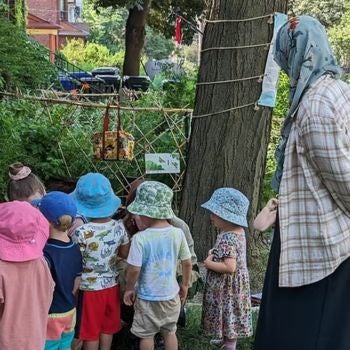
Noojimo'iwewin Gitigaan, Toronto, Ontario
Located at St. Matthew’s United Church, Noojimo’iwewin Gitigaan is a community-led healing garden that includes sacred medicines, rain gardens, pathways and spaces for ceremony and reflection. It was among the earliest national healing forest sites in the country and continues to host seasonal gatherings, learning opportunities and community events.
Photo: Noojimo’iwewin Gitigaan
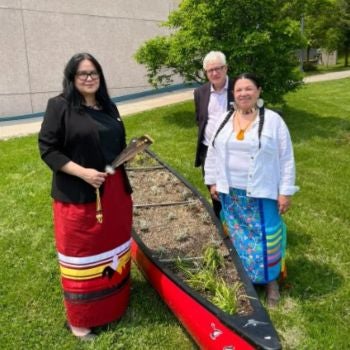
Gitigaan Mashkiki (Medicine Garden), Richmond Hill, Ontario
The Gitigaan Mashkiki project is a network of community-led Indigenous medicine gardens created through partnerships between Indigenous and non-Indigenous community members and supported by the City of Richmond Hill. The gardens feature traditional medicines and native plants while serving as a space for education, cultural learning and reconciliation. Through workshops, ceremonies and stewardship activities, it helps visitors deepen their understanding of Indigenous plant knowledge and relationships with the land.
Photo: Gitigaan Mashkiki
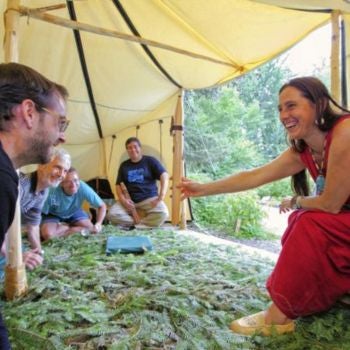
First Nations Garden, Montreal, Quebec
Located in the heart of the Montreal Botanical Garden, this 2.5-hectare space represents First Nations cultures and knowledge through hundreds of plant species, educational programming and gathering spaces. Developed with Indigenous advisers, it has become one of Canada’s most significant Indigenous gardens.
Photo: Studio du Ruisseau @ SMQ via Espace Pour La Vie Montreal
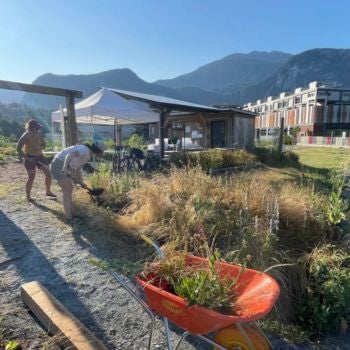
Indigenous Plant Garden at the Downtown School Farm, Squamish, British Columbia
Located between Howe Sound Secondary and Squamish Elementary School on the traditional territory of the Sḵwx̱wú7mesh Úxwumixw (Squamish Nation), this Indigenous Plant Garden was created as a place for students and community members to relax, reflect and connect with Indigenous plants.
The garden highlights culturally significant species and helps visitors learn their names and pronunciations in the Sḵwx̱wú7mesh language. Developed through collaboration between schools, community partners and Indigenous knowledge-holders, the space demonstrates how school grounds can become places of learning, cultural revitalization and connection to the land.
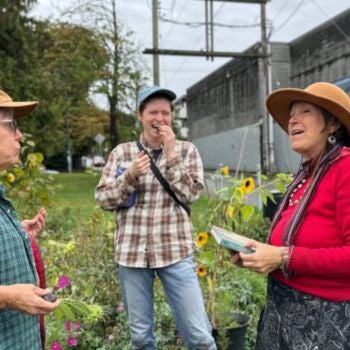
Chén̓chenstway Healing Garden and Indigenous Food Forest, Vancouver, British Columbia
Located at New Brighton Park in Vancouver on the traditional territories of the xʷməθkʷəy̓əm (Musqueam), Sḵwx̱wú7mesh (Squamish) and səlilwətaɬ (Tsleil-Waututh) Nations, the Chén̓chenstway Healing Garden and Indigenous Food Forest is an inclusive community space that honours Indigenous knowledge, food systems and relationships with the land.
The garden features medicinal and edible plants traditionally used by Indigenous Peoples and was created through a partnership between the Vancouver Urban Food Forest Foundation, the Aboriginal Mother Centre Society and the Vancouver Park Board, with guidance from Indigenous knowledge-holders. Chén̓chenstway, meaning “to lift each other up” in the Sḵwx̱wú7mesh language, reflects the garden’s purpose as a place for intergenerational, cross-cultural learning, community connection and the revitalization of Indigenous food and plant knowledge.
Photo: Chén̓chenstway Healing Garden and Indigenous Food Forest via Instagram
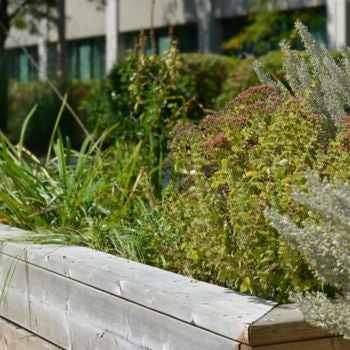
Indigenous Healing Garden, University of Ottawa, Ontario
Created with guidance from Kitigan Zibi Anishinābeg Elder Annie Smith St-Georges, the Indigenous Healing Garden at the University of Ottawa includes traditional medicines and serves as a place for learning, reflection and reconciliation within the faculty of medicine.
Common elements of healing gardens
No two healing gardens are the same, but many include:
- Native plants that support local biodiversity
- Sacred and medicinal plants chosen with cultural guidance
- Seating areas, gathering circles or contemplative pathways
- Public art, signage or storytelling elements
- Educational programming and community events
- Long-term stewardship by local volunteers, organizations or institutions
Healing gardens are living spaces that evolve over time, reflecting the needs, stories and relationships of the communities that care for them.
How to create a healing garden in your community
There is no formula for creating your own healing garden. The most successful projects are rooted in local relationships and guided by community needs.
If your community is interested in creating a healing garden:
- Begin by building relationships with local Indigenous communities, organizations, Elders or knowledge-keepers
- Identify a suitable outdoor space
- Work with community members to define the purpose of the garden
- Incorporate native plants and features that support biodiversity
- Create opportunities for learning, reflection and gathering
- Develop a long-term stewardship plan to care for the space
Healing gardens do not need to be large to be effective. What matters most is the intention behind the space and the relationships that will sustain it.
Learn more
The David Suzuki Foundation is proud to support community-led efforts that reconnect people with nature and strengthen relationships with place.
To explore healing forests and related projects throughout Canada, visit the National Healing Forests Initiative website and interactive map.
Explore our habitat gardening resources, such as our page about pollinators and this handy habitat gardening resource, filled with links to learn more about native plants, pollinator habitat and community stewardship. Together, these efforts can help create healthier, more connected and more resilient communities.