Canada must move past costly pipeline politics and invest in a nation-building, Indigenous-led east-west renewable electricity grid that creates jobs, boosts energy security and supports communities.
Hard as we try, Canada can’t seem to shake the pattern of pipeline politics.
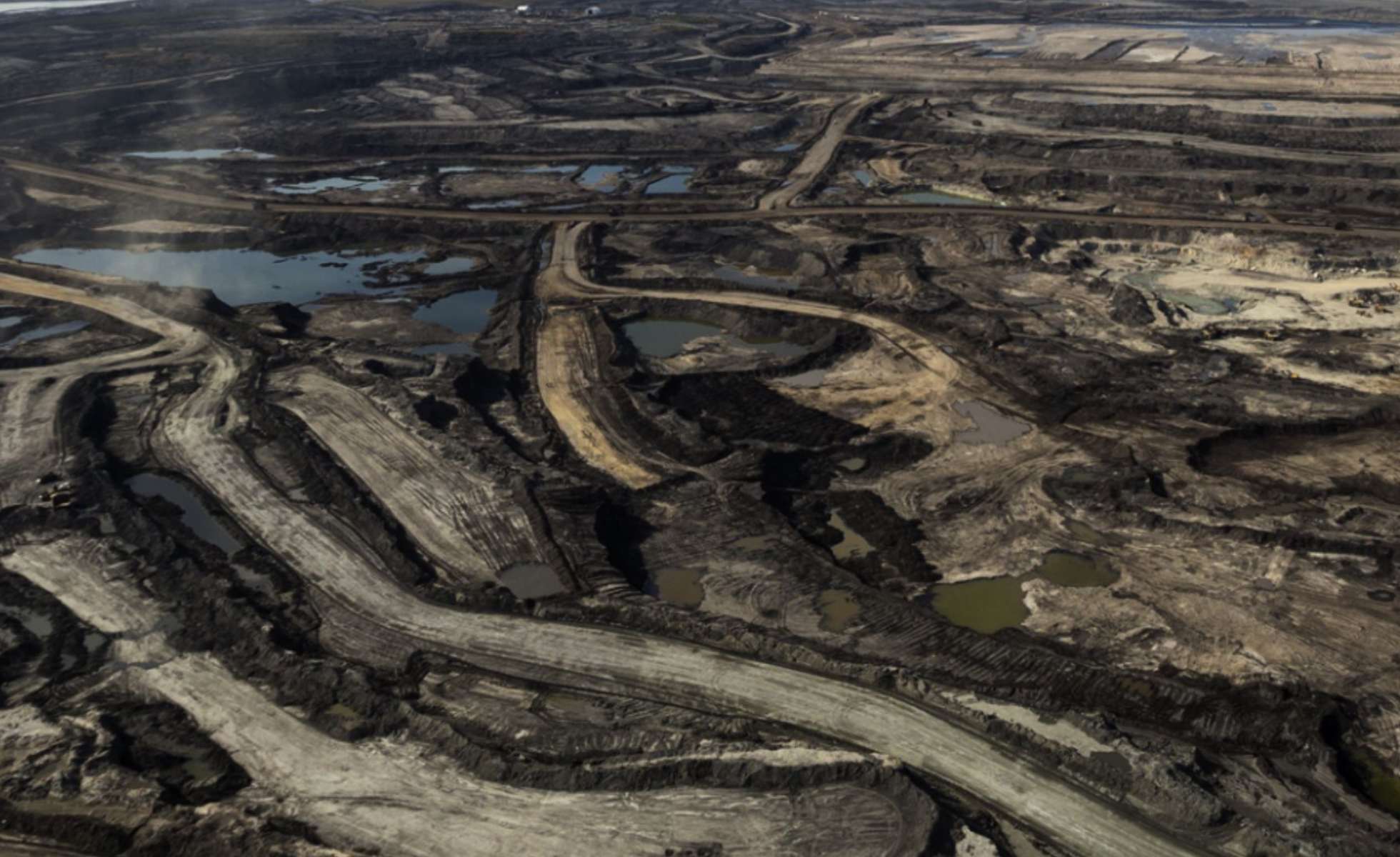
As we move toward 2030, with renewables and electrification accelerating worldwide, it’s increasingly clear that new pipelines are not “nation-building” projects — they’re relics of an industry facing structural decline.
Despite decades of energy transition progress, routine oil market crashes and mass layoffs, clear and undeniable opposition from coastal First Nations and the absence of a private sector proponent, industry and politicians keep trying to sell the idea of another mega pipeline project to nowhere.
This week’s memorandum of understanding between Ottawa and Alberta on a pipeline to B.C.’s north coast is the latest chapter in this weird, depressing tale of wasting tens of billions of dollars in public spending and making energy more expensive to prop up the profits of fossil fuel billionaires and their friends. The project has no investor, no market logic and faces clear, long-standing opposition from coastal First Nations.
The most frustrating part is that we’re actively wasting time, money and political capital on zombie pipeline debates when we could be using this political moment to focus on real nation-building projects — projects that save Canadians money, create tens of thousands of good union jobs across many provinces, strengthen energy sovereignty and prioritize Indigenous leadership and ownership in the energy sector.
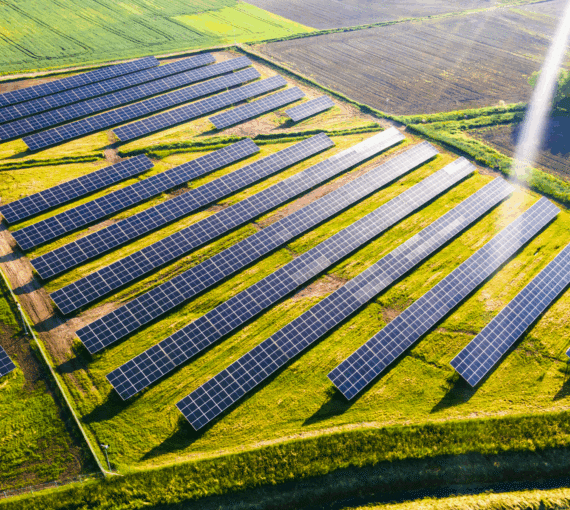
To actually deliver the things that the oil industry falsely promises, we don’t need a pipeline; we need a Canada-wide, Indigenous-led east–west electricity grid built with renewable energy and Canadian-made components.
Such a project would create tens of thousands of good jobs, a future-proofed economy and more affordable power for communities and businesses. It’s a chance to tackle the climate crisis, show up for workers and support Indigenous communities that are already leaders in renewable electricity. In a time of increased threats to key sectors, an upgraded grid could be built with Canadian steel and aluminum.
It checks all the boxes for a successful nation-building project without throwing communities, affordability or future generations under the bus.
When we connect Canadian provinces and territories, we’ll be strengthening our own economy and energy security — not exporting emissions-intensive heavy oil to the United States. We wouldn’t be at the mercy of global oil markets, which experts continue to warn will see flattening and shrinking demand.
We know many details remain unclear, and conditions remain unmet, when it comes to the federal government’s support for a new multi-billion-dollar bitumen pipeline. But the fact that the door remains open to this kind of project — incoherent on climate, indefensible on economics and incompatible with a future-ready economy — shows a tragic lack of leadership, vision and direction. It leaves our country vulnerable to being taken advantage of by the legions of oil lobbyists who’ve met with this federal government more than 745 times in 2025 alone.
By catering to demands for a pipeline from the oil industry and the Alberta government, the federal government betrays coastal First Nations that have worked for decades to establish and uphold a ban on oil tankers in their territories and waters. It seems the federal government is saying “you’re on your own” to communities, First Nations and governments that have already made their opposition to a north coast bitumen pipeline extremely clear.
An all-of-the-above energy approach was out of touch 20 years ago. It’s Jurassic in 2025. When global momentum toward renewable electricity and electrification is increasing, and with wind and solar being the cheapest forms of electricity in history, the federal government should be focusing on projects that spread the benefits to all people in Canada, not just fossil fuel billionaires.
People in Canada overwhelming support electrification. An August 2025 survey by the David Suzuki Foundation and Leger shows that 77 per cent favour upgrading an east-west electricity grid with new transmission lines.
Canadians want a government with a clear vision that invests in a better future for themselves and their families. An east-west power grid with renewable energy will do exactly that. Our federal government just needs to get out of its own way and start building the future we know is possible.
This op-ed was originally published in the Toronto Star.