Petrolatum is a safe, non-allergenic product used to moisturize, heal and protect skin. As a petroleum byproduct, it isn’t renewable. But alternatives are becoming more available.
People have used cheap, effective and non-allergenic petrolatum as an emollient since the 1800s. It’s used in wound and skin care and for minor burns. As a moisturizer and barrier, it’s used in personal care products, lubricants, household cleaning products, adhesives, sealants and paints. It’s added to baked goods, glazes confectionaries and coats fresh fruits and vegetables.
Studies show that petrolatum may contain impurities such as polycyclic aromatic hydrocarbons. These may have toxic, mutagenic and carcinogenic properties. Petrolatum can potentially trap bacteria and other pollutants on the skin’s surface.
Health and environmental hazards of petrolatum
Human health risks and concerns
If not fully refined, petrolatum may contain carcinogens and irritants. It may be contaminated with toxic polycyclic aromatic hydrocarbons, which increase the risk of certain cancers. The European Union bans petrolatum if its full refining history isn’t known. Petrolatum can trap bacteria under the skin, leading to skin breakouts. Non-regulated products and imitators may have different grades of purity.
Environmental risks and concerns
When washed down the drain, petrolatum goes into the environment. It may also be released from cooling liquids used in refrigerators, oil-based electric heaters, hydraulic liquids and lubricants in motor oil and break fluids. Since petrolatum isn’t soluble in water, it can be removed in wastewater treatment plants. The Government of Canada states that petrolatum doesn’t pose a threat to the environment.
A byproduct of oil extraction, petrolatum isn’t renewable. The refining process removes PAHs. In the environment, those have adverse effects on fish, marine vertebrates and seafloor organisms.
Regulatory status of petrolatum
Current regulatory status of petrolatum in Canada
After assessing health and environmental risks, the Government of Canada has determined that petrolatum is not harmful when used as intended. Products in Canada contain only highly refined petrolatum. Petrolatum that meets food-grade specifications is highly refined, with virtually no impurities such as PAHs. Canada requires importers and manufacturers to use only high purity petrolatum in products and foods.
People in Canada who may be exposed to petrolatum in the workplace should consult with their employer and occupational health and safety representative about safe handling practices, applicable laws and requirements under OHS legislation and the Workplace Hazardous Materials Information System.
Current regulatory status of petrolatum in other countries
- European Union. For cosmetic use, the full refining history of a petrolatum source must be known and proven to be non-carcinogenic. Petrolatum is banned if the full refining history of a product can’t be determined. The EU prohibits petrolatum in cosmetic products that can be inhaled, such as powders.
- United States. Petrolatum is regulated by the Food and Drug Administration as an over-the-counter drug — medications deemed safe for a consumer to self-administer without healthcare provider advice. The FDA has approved petrolatum as a skin protectant and moisturizing agent. Petrolatum products must meet certain safety and labelling requirements. If petrolatum isn’t fully refined in the U.S., it could be contaminated with carcinogenic PAHs.
Function of petrolatum
Petrolatum is found in many skincare products:
- An emollient for dry skin conditions, including chapping and sunburn.
- To prevent water loss from the skin’s outermost layer. It traps moisture and helps wound healing and can be used for eczema and psoriasis.
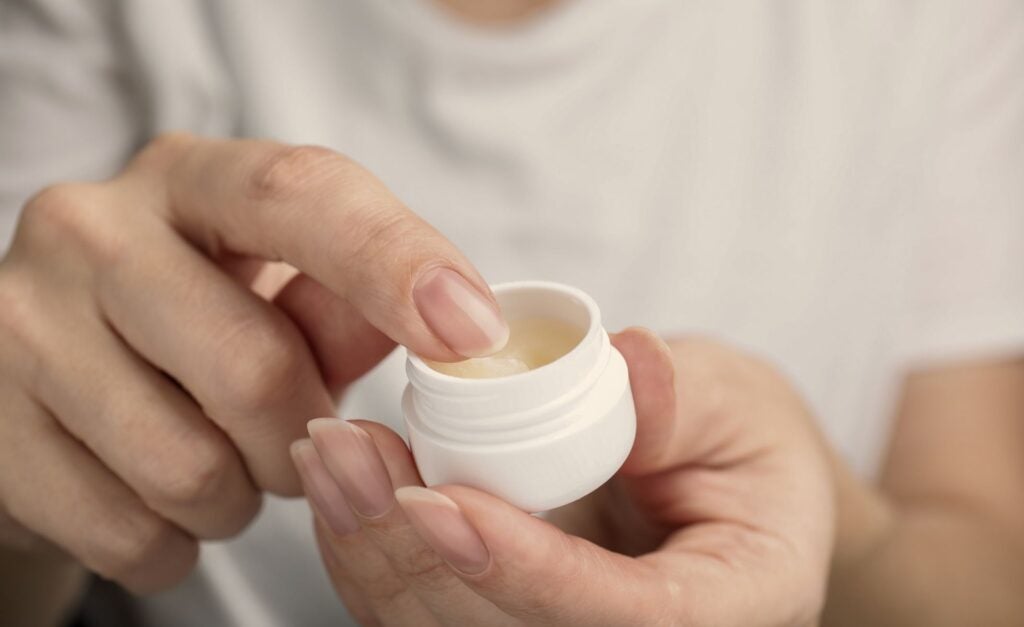
- To protect against external irritants, making it useful in diaper creams and lip balms.
Petrolatum is found in personal care products, such as:
- Cosmetics.
- Perfumes and fragrances.
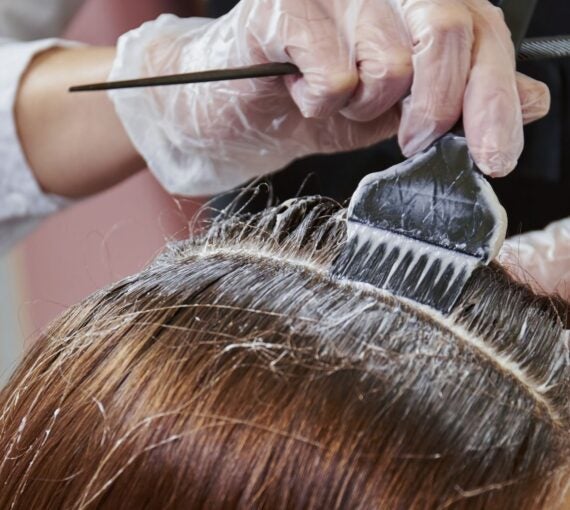
- Hair care products for shiny hair.
Petrolatum is found in drug products:
- It can be either the active ingredient or a non-active ingredient. It may also be the “carrier” for an active ingredient.
Petrolatum is found in food products:
- As a protective coating on raw fruits and veggies.
- As a defoaming agent in yeast and beet sugar.
- In bakery products.
- In dehydrated fruits and veggies
Petrolatum is found in industrial products, such as:
- Lubricants and greases.
- Adhesives and sealants.
- Polishes and waxes.
- Inks and toners.
- Fuels.
- Modelling clay.
How to avoid petrolatum
What to look for on labels
In lotions and cosmetics, petrolatum will be labelled as:
- Petrolatum
- Petroleum Jelly
- Paraffin Oil
- Mineral Oil
- White Petrolatum (refined and safe for use)
- Soft paraffin
- Refined petrolatum
- Purified petrolatum
Substitutes
Many alternatives to petrolatum products contain non-toxic oils and ingredients that maintain moisture.
- Beeswax is a thickening agent and emollient that provides a protective skin barrier.
- Plant-based oils like jojoba and argan provide nourishment and moisturize.
- Plant-based emollients like cocoa, shea and mango butters soften skin and hydrate.
- Plant-derived silicone can enhance and smooth skin texture.
- Candelilla wax is a vegan alternative to beeswax and has similar healing properties.
- Hemp seed oil helps heal chapped lips.
Alternative methods
The pharmaceutical industry is making efforts toward sustainability. It’s exploring inactive ingredients derived from vegetable sources that carry active ingredients as alternatives in topical creams.