Plastic pollution must be put to an end
Along with climate change, plastic pollution is a threat to human and global health. While over 460 million tonnes of plastic are produced worldwide every year, projections suggest this figure could triple by 2060 if no action is taken to halt plastic pollution.
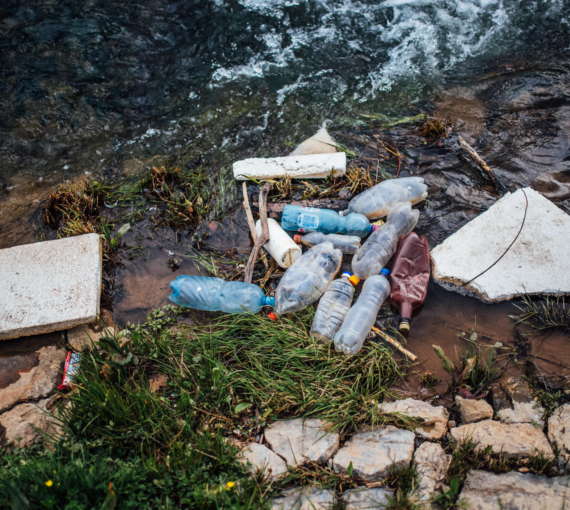
Very little of the world’s plastic is recycled. Most is incinerated, sent to landfills, burned in the open or ends up in rivers, lakes, ocean and land.
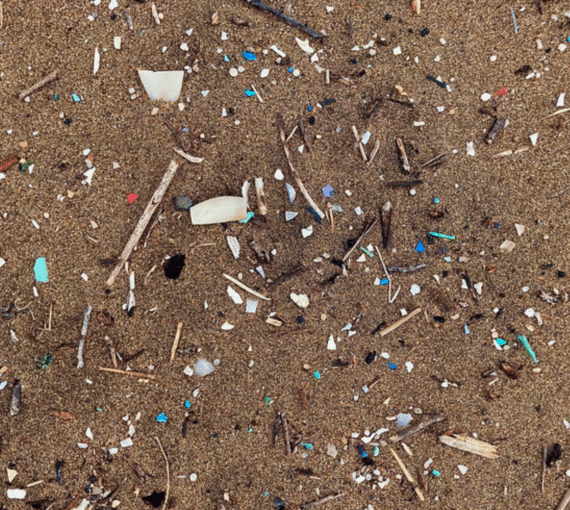
Plastics never really break down. This visible pollution is accompanied by “invisible” pollution from microplastics and nanoplastics found all over the world, as well as in our bodies.
This situation is all the more worrying when you consider that more than 13,000 chemicals are used to produce plastic materials. These substances, which are not regulated, are hazardous to human health and the environment.
According to a study by the International Energy Agency, people living in wealthy countries consume 20 times more plastic than people living in the rest of the world. Once used, these plastics are then frequently exported. This phenomenon has a name: “waste colonialism.”
Plastics are also a major source of carbon emissions, mainly during their production, which begins with oil extraction. The oil and gas industry invests heavily in petrochemical production, as 99 per cent of plastics are derived from fossil fuels such as oil and gas.
The health and economic costs of plastic production and pollution, as well as the close links between this industry and the fossil fuel industry, have been widely documented.
– Sabaa Khan, Climate director, David Suzuki Foundation

The importance of Indigenous representation
In an interview with the David Suzuki Foundation, Lynn Konwaia’tanón:we’s Jacobs explained, “Indigenous Peoples are disproportionately impacted by plastic pollution at all stages of the plastic life cycle.”
She also said, “Indigenous Peoples bring generations of knowledge based on observation, experience and relationship with the natural world. This knowledge is science, and it must be valued and respected as such. Appropriating Indigenous knowledge and science without full and effective participation of Indigenous Peoples will not produce meaningful results. Instead, Indigenous Peoples must be invited to participate as experts.”
Listen to what David Suzuki and Sabaa Khan have to say about issues linked to plastic pollution.
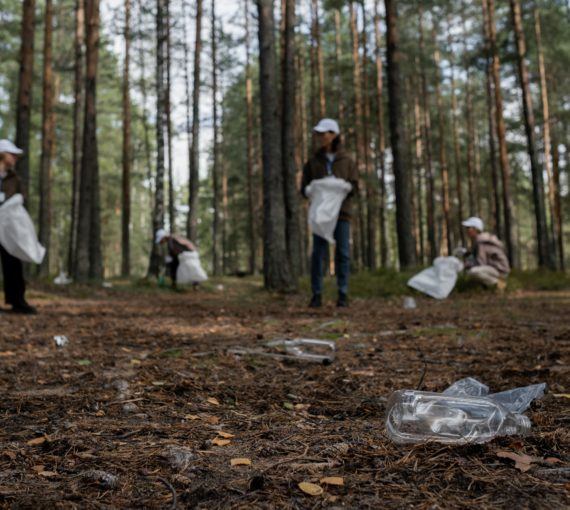
Join us in calling on the federal government to implement stronger plastic-control measures throughout the country, while acting as a leader for the adoption of a global treaty to end plastic pollution.
Plastic pollution in figures
7,112 kilotonnes
This is the amount of plastic produced for Canadian consumption in 2021. It's equivalent to the weight of around 40,000 blue whales.
40.2 per cent from packaging
Of all the plastic discarded in Canada in 2021, almost half was in the form of packaging.
120 kg per capita
In 2021, 120 kilograms of plastics were disposed of per capita in Canada. It’s equivalent to the weight of a caribou.
Expert articles
Toward a global treaty against plastic pollution: the last-chance negotiations
A final round of negotiations to adopt a global treaty against plastic pollution will take place in Geneva, Switzerland, from August 5 to 14, 2025.

Senior Manager, Communications
Decolonizing governance to protect the Arctic — and the world
The Arctic, the heart of our planetary health, is still widely perceived as a remote, isolated, even peripheral territory. Today, this region is one of the most visible epicenters of environmental inequalities.

Director General, Quebec and Atlantic Canada
Stop plastic pollution
Ask political leaders to stop plastic pollution. Sign our online petition.