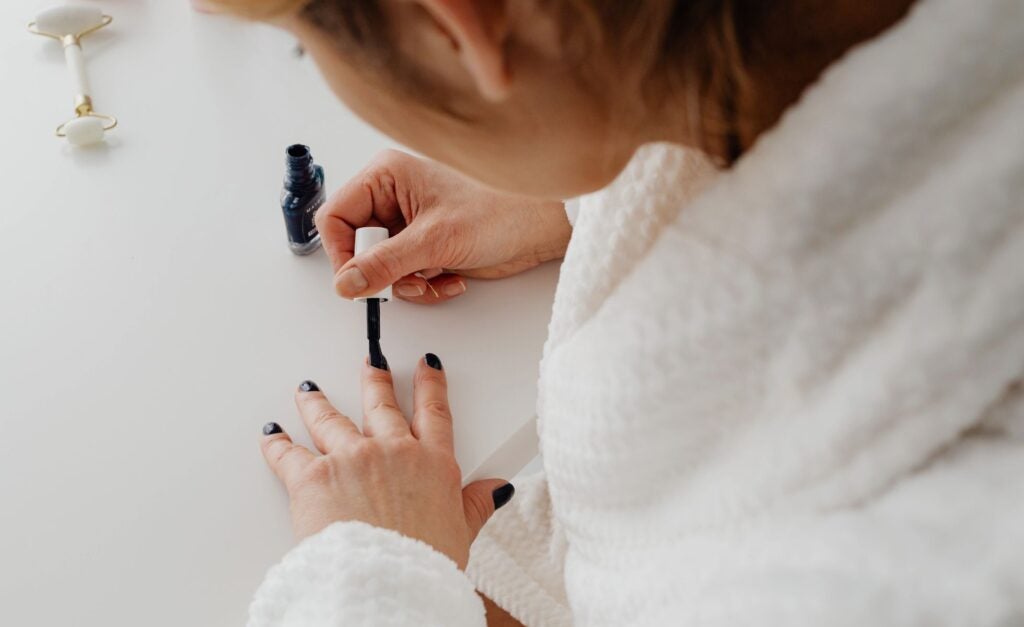
Dibutyl phthalate is found in personal care products like nail polish.
Not too long ago, babies, tots and children happily chewed and sucked on colourful plastic toys. Parents and other caregivers were oblivious to the fact that these playthings contained dibutyl phthalate. The synthetic human-made chemical belongs to a large group of phthalates (pronounced THAL-ates) used to soften plastic and make it more flexible.
Since 2009, the United States has banned DPB from use in children’s toys and childcare items that contained more than 0.1 per cent. But DPB is also found in many other consumer and personal care products. As a plasticizer for polyvinyl chloride, it’s used in industries like health care and building and construction.
Health and environmental hazards of DPB
Human health risks and concerns
DBP is a possible endocrine disrupter and may cause developmental and female reproductive and male reproductive toxicity, according to the National Toxicology Program’s Center for the Evaluation of Risks to Human Reproduction. But lack of evidence suggests phthalates pose little risk to human health.
DPB is found in synthetic fragrances and nail polish. Salon workers — many women of child-bearing age — are exposed to it. Salon workers and product users inhale it or absorb it in nail products though their skin.
Common exposure to DPB is via foods that contact PVC plastic packaging. In animal studies, DBP exposure during gestation causes infertility and problems with male testes and sperm development. In adult men, DBP has been correlated with changes in serum hormone levels, lower sperm concentration and motility and decreased fertility. The Australian government reports that long-term DBP exposure may cause liver and kidney damage. But an expert National Toxicology Program panel concluded that reproductive risks from exposure to phthalates were minimal.
Environmental risks and concerns
DBP is widespread in the environment. Most people are exposed to low levels in air, water (which contain small levels that aren’t expected to cause harmful effects) and food. Industrial DBP emissions can cause elevated concentrations in the atmosphere near the source. It breaks down quickly in the air, so unlikely to spread from its origin. But DBP doesn’t readily break down in water or sediment, deep soil and groundwater.
DPB is highly toxic to aquatic life. Toxic effects to plants, birds and land animals is unknown. One study showed that DBP decreased the germination rate of two leafy vegetables by about 20 per cent.
Regulatory status of DBP
Current regulatory status of DBP in Canada
Canada has ruled that vinyl in a toy or child care article must not contain more than 1,000 milligrams per kilogram of DBP when tested. Canada restricts the use of six phthalates in children toys and articles. These aren’t banned in consumer items like cleaning products, cosmetics, paints, food packaging, etc.
Current regulatory status of DBP in other countries
- United States. Phthalates were banned in toys in the U.S. in 2008. California classifies DBP as a reproductive and developmental toxicant (a synthetic toxin.) California law and U.S. federal law prohibit children’s toys and child care articles containing DBP at levels greater than 0.1 per cent. But the Food and Drug Administration and Federal Trade Commission don’t approve nail polishes before they come to market.
- European Union. The EU has banned use of DBP in cosmetics and personal care products. Restrictions or bans have been placed on phthalates in PVC toys.
- Japan, Iceland and Mexico. All have restrictions and bans on phthalates in PVC toys. Their governments are phasing out PVC and encouraging the switch to PVC-free products.
Function of DBP
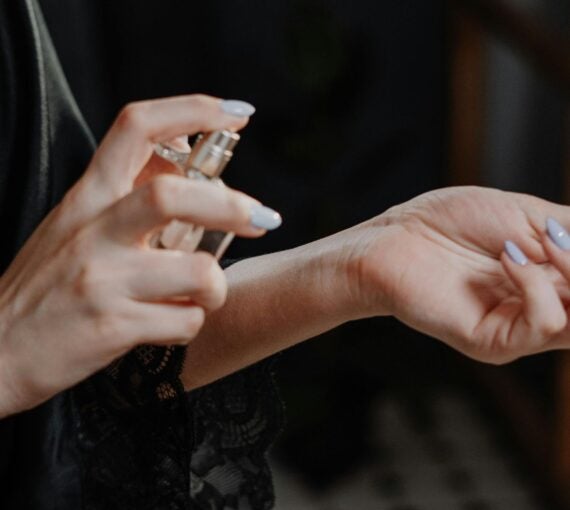
DBP has long been used as a plasticizer in consumer items such nail hardeners and nail polish. It makes products less brittle to reduce cracking. Phthalates make plastics more durable. They don’t evaporate easily. They don’t permanently bind to plastic surfaces. Phthalates also act as solvents and stabilizers in perfumes and other fragrance preparations, making scents last longer in personal care items and baby products.
The FDA reported that DBP is rarely used in cosmetics anymore.
However, it’s still found in:
- Fragrances
- Baby creams and lotions
- Deodorants
- Haircare products
- Shampoos
- Body washes
- Infant soaps, shampoos and body washes
- Baby powders
- Glitter gels
- Face and body paints
- Skin creams and lotions
How to avoid DBP
What to look for on labels
In the U.S., the FDA, under the authority of the Fair Packaging and Labeling Act, requires that cosmetic products sold at retail declare the ingredients on labels. Consumers can tell if products contain phthalates by reading the label. DBP may be listed under different ingredient names including:
- 1,2 benzenedicarboxylic acid
- dbp (ester), dibutyl ester, butyl phthalate
- 1,2-benzenedicarboxylate
- DBP
- dibutyl ester 1,2-benzendicarboxylic acid
- dibutyl phthalates
- benzene-o-dicarboxylic acid di-n-butyl ester
- celluflex dpb
- di-n-butylphthalate, dibutyl
DBP is also used as a fragrance ingredient. Since fragrances are “trade secrets,” it can be hard to know which contain DBP. Avoid cleaners with fragrances. Manufacturers of cleaning products are not required to disclose all of their products’ ingredients. If a consumer item claims to be “natural,” don’t assume ingredients are safe. U.S. federal regulations don’t set standards for such products. Some “natural” cleaners contain dyes, allergens and toxic fragrances. Fast food containers can also be a source of exposure. Use only “microwave safe” and phthalate-free containers and plastic wrap, especially when heating oily or fatty foods.
To protect yourself:
- Read the label and talk to retailers before you buy. Many are phasing out phthalates from products.
- Stick to fragrance-free products or purchase scented products with no phthalates.
- Avoid PVC plastics or vinyl (recycle Code 3).
- Dust may contain DBP. Wash your hands before preparing food and/or eating. Clean floors regularly.
Substitutes and alternative methods
For consumers who love a manicure, there’s good news. Non-toxic nail polish free of DBP is available.
Many companies now use phthalate-free substances such as polypropylene (recycling Code 5), to manufacture products. (The number inside a triangle of arrows indicates plastic type.)

Non-toxic hand and foot care
Hands and feet endure a lot. Yet, products we use to care for them often contain ingredients harmful to our health and the planet’s. Fear not. Your self-care practices can express your commitment to environmental and physical wellbeing.