Ingredients in parfum and fragrance are trade secrets. That means we often don’t have a clue what’s lurking in our favourite perfumes or scented products.
Humans have use scents for thousands of years. Cleopatra wore one that likely included cardamom, myrrh and cinnamon. Today, “fragrance” (in the United States) or “parfum” (in the European Union and Canada) is made of botanical raw materials and a combination of chemicals.
Parfum and fragrance may contain dyes, solvents, stabilizers and preservatives. Labels may list these, but the components are a trade secret, leaving consumers in the dark. Perfumes are costly to develop and fragrance makers keep their formulations hidden.
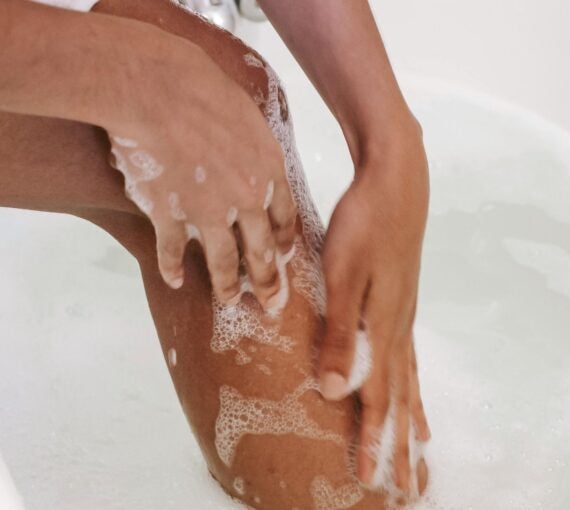
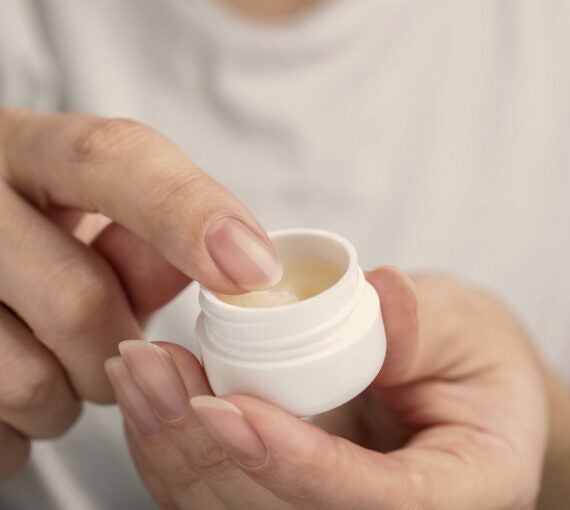
Fragrance and parfum is also found in personal care products. These include shampoo, body wash and lotion, deodorant, makeup, face creams, skin toners and serums.
Health and environmental hazards of parfum
Human health risks and concerns
Parfum or fragrance exposure occurs when you swallow, inhale or apply a product to your skin. Highest exposures are from personal care and cosmetic products. Household products account for fewer exposures. The International Fragrance Association lists 3,059 materials found in fragrance compounds. Some are linked to cancer, reproductive toxicity, allergies, sensitivities and respiratory diseases.
Other fragrance materials:
- Are linked to sensitization and allergies, respiratory issues and irritation.
- May contain carcinogens, endocrine disrupters, neurotoxic chemicals and environmental toxicants.
- May cause allergies associated with contact dermatitis, which causes skin itching — even blisters.
- Can trigger migraine attacks or headaches in some people.
- Containing diethyl phthalate may affect male fertility.
- May contain parabens, added to prevent microbial growth, which can mimic estrogen.
Environmental risks and concerns
When you wash your hands or bathe, chemicals from fragrance or parfum enter the water system, affecting aquatic life. Some disrupt organism and fish hormonal systems, possibly affecting reproductive and overall health.
Chemicals in discarded perfumes leach into soil, affecting plant growth and soil health. They may also harm wildlife reproductive systems.
Some synthetic compounds in perfume can release volatile organic compounds into the atmosphere. This contributes to air pollution, linked to respiratory issues and smog formation.

Be sensitive to those with environmental sensitivity
Environmental sensitivity, a.k.a. multiple chemical sensitivity or environmental illness, affects millions of people worldwide. Triggers such as scents can be painful, debilitating and isolating.
Regulatory status of parfum
Current regulatory status of parfum in Canada
Health Canada regulates fragrances and fragrance under the Cosmetic Regulations of the Food and Drugs Act and the Cosmetic, Food and Drug, and Natural Health Product Regulations. It’s illegal to sell cosmetics or other personal care products that would cause harm when used as intended. Ingredients in cosmetics and other personal care products are subject to review under Canada’s Chemicals Management Plan.
Current regulatory status of parfum in other countries
The fragrance industry is mainly self-regulating. It follows a Code of Practice and safety standards set out by the International Fragrance Association intended to protect consumers and the environment. These are based on assessments by the Research Institute for Fragrance Materials, an independent body. The RIFM evaluates the safety of fragrance ingredients based on assessments by toxicologists, pharmacologists and dermatologists who have no commercial ties to the fragrance industry. RIFM and IFRA develop and set voluntary standards for chemicals used in fragrance and parfum products. The U.S., Canada and European Union rely on IFRA and RIFM to identify ingredients used.
To preserve trade secrets, the U.S. Food and Drug Administration doesn’t require disclosure of fragrance ingredients. The IFRA and RIFM also support trade secret protection.
Function of parfum
Many personal care products (sunscreen, shampoo, soap, body wash, deodorant, body lotion, makeup, facial cream, skin toner, serums and perfume) contain fragrances. These contain different ingredients that make them smell pleasant and stabilize the scent. Often, these ingredients are labelled only as “fragrance” or “parfum”.
The ingredients in fragrance and parfum may include:
- Phthalates. Used to make fragrances last longer, but linked to health issues, including hormonal disruptions.
- Parabens. Preservatives to prevent microbial growth.
- Synthetic colours and dyes. Often added to enhance their visual appeal.
- Chemical solvents. Used to dissolve and mix fragrance ingredients. Can include substances like ethanol or methanol, which is a pollutant. Methanol can be toxic to humans and wildlife, potentially causing damage to the nervous system.
How to avoid parfum
What to look for on labels
Fragrance ingredients are sometimes — but not always — listed on the product ingredient label. Scents are trade secrets and referred to only as “fragrance” or “parfum.” These products may contain chemicals of concern.
A scent may be listed as:
- Fragrance
- Perfume
- Parfum
- Essential oil blend
- Aroma
Look for phthalates and parabens, which are linked to human health issues.
Substitutes and alternative methods
Make your own perfumes from essential oils and plant-based extracts. A growing selection of commercial perfume options avoid synthetic chemicals. Look for eco-certifications like “organic” or “cruelty-free” labels.