Triclosan is an antimicrobial found in many personal care and consumer items like hand soap.
Triclosan is an antimicrobial (germ-killing) chemical and a preservative. It was first used in hospitals in 1972 to fight bacterial contamination and fungus and mildew growth. The COVID-19 pandemic promoted use of disinfectants in many consumer products. This increased TCS use.
TCS bioaccumulates and has been detected in human urine, blood and breast milk. It’s used in cosmetics, drugs, lotions, hand sanitizers, toothpastes, mouthwashes, fragrances, deodorants, soaps, shampoos and skin cleansers. It’s also found in clothing, kitchenware, furniture, toys, drinking water and house dust.
Health and environmental hazards of triclosan
Human health risks and concerns
TCS is an endocrine disruptor. It mimics hormones in the endocrine system. This may cause reproductive disorders in men and women. It’s been linked to reproductive and developmental impacts in laboratory studies.
It’s been detected in human urine, blood, breast milk and amniotic fluid in many places around the world. TCS is linked to allergies and sensitivity to certain foods. Products containing TCS may cause skin irritation.
TCS may promote cancer metastasis. It’s been shown to stimulate excessive human ovarian cell growth. It’s also linked to liver impairment and kidney failure. Although governments have set limits of 0.3 per cent concentration of TCS in consumer items such as toothpastes and soaps, exposure to several personal care products (“body burden”) may increase exposure to unsafe amounts.
It’s also a likely contributor to antimicrobial resistance. That’s when bacteria become resistant to antibiotics. It’s one of this century’s greatest threats to human health.
Environmental risks and concerns
Toothpastes and soaps containing TCS are washed down the drain. Wastewater treatment systems remove most of it. But some still enters waterways. There, it’s highly toxic to aquatic organisms such as algae and fish, affecting growth, reproduction and survival. TCS is also endocrine-disrupting in aquatic animals.
TCS is toxic to some soil organisms. It’s persistent in the environment. It’s a source of toxic and carcinogenic compounds. These include dioxins, chloroform and chlorinated anilines. Sewer sludge may contain antimicrobials like TCS. This creates a pathway for transfer into animal feed as well human food crops.
Regulatory status of triclosan
Current regulatory status of triclosan in Canada
In Canada, the most TCS allowed is:
- 0.03 per cent in mouthwashes.
- 1.0 per cent in non-prescription drugs.
- 0.3 per cent in cosmetics and health products.
- The Food and Drugs Act regulates drugs that contain TCS as an active ingredient. It allows a concentration range of 0.1 to 1.0 per cent.
The Canadian government recommends correct hand washing techniques using regular soap and water. Cosmetics, over-the-counter drugs and health products must show if they contain THS. Canada says THS may be entering ecosystems at levels harmful to the environment, but not to human health. Following a review, the Canadian government hasn’t established a clear link between TCS in products and increased antimicrobial resistance.
Current regulatory status of triclosan in other countries
In 2016, the United States Food and Drug Administration banned TCS in over-the-counter consumer antiseptic washes, antibacterial soaps and other products.
The European Union banned TCS in mouthwashes. Toothpastes that contain it say, “Not to be used for children under six years of age.” The EU considers TCS toxic and bioaccumulative. It recommends replacement with less hazardous alternatives.
Function of triclosan
For over-the-counter consumer antiseptic products, TCS doesn’t provide greater benefit than washing with soap and water. It’s considered useful in:
- Consumer products, from antibacterial soaps to toys, to reduce or prevent growth of bacteria, fungi and mildew and to deodorize.
- It’s considered beneficial in toothpastes for preventing gingivitis.
- It’s used as a preservative in cosmetic products at concentrations up to 0.3 per cent.
- In clinical health settings, it’s been effective against micro-organisms like methicillin-resistant Staphylococcus aureus.
- It’s used in medical devices such as ureteral stents and surgical sutures.
How to avoid triclosan
What to look for on labels
Labels on cosmetics, over-the-counter drugs and health products must say if they contain TCS. Watch out for “antimicrobial protection” labels. Some antibacterial soaps may replace TCS with its chemical cousin, triclocarban, which presents the same health concerns. Avoid TCS use unless there’s adequate evidence of its health benefits, such as a physician-prescribed toothpaste for gum disease. The Canadian government provides a comprehensive overview of TCS.
Substitutes
In most cases, antibacterial or antimicrobial soap is not necessary for safe, effective hand hygiene. Practise correct hand washing techniques using regular soap and water to reduce bacterial infections.
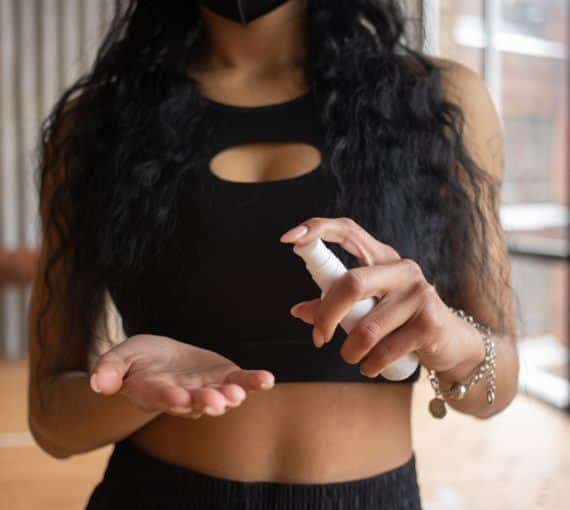
DIY body care that safely fights germs
“Antibacterial” and “antimicrobial” products don’t do a better job at fighting germs than regular soap. In fact, as bacteria, viruses, fungi and parasites become more resistant to them, antimicrobials become less effective and infections become more difficult to treat, increasing the risk of spread and the creation of “superbugs.”