Like salal in the rainforest, resilience at DSF runs deep
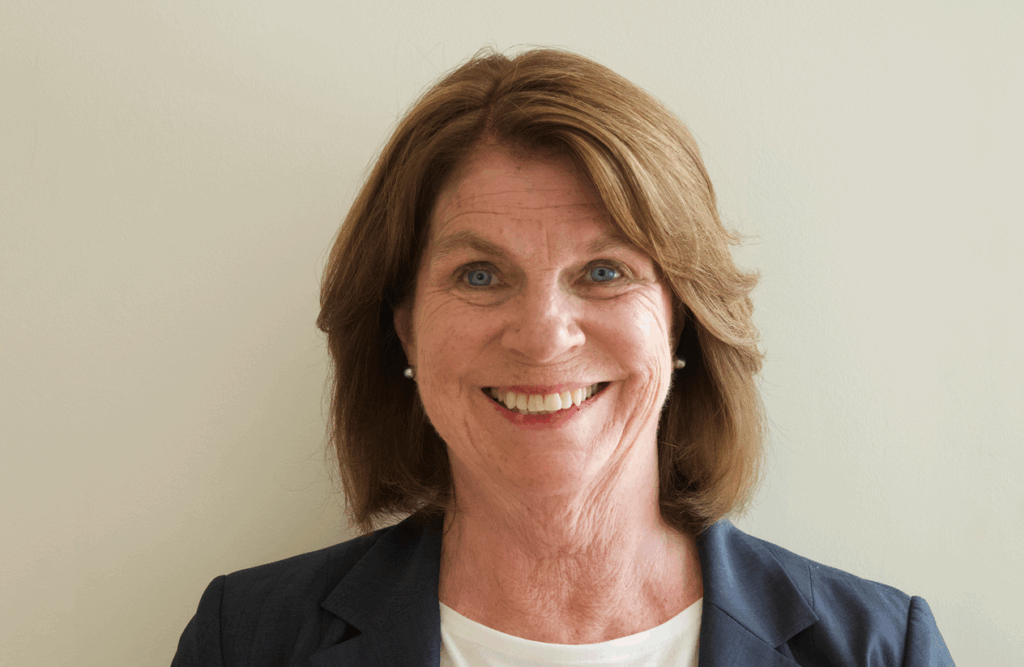
Eight months is a mere blip in the life of a 35-year-old organization. When I stepped into the role of Acting Executive Director of the David Suzuki Foundation last January, the darkness of the winter solstice was barely behind us. Now, with fall around the corner, I look back at the tenacious roots of this organization, ready for its next shoot to bud.
DSF reminds me of the salal in BC’s coastal forests. This tough evergreen spreads across the forest floor, weaving a living web just beneath the surface. Its glossy leaves and clusters of deep blue-black berries feed birds, bears, deer, and people. Underground, its rhizomes hold fast through storms, drought, even fire. And when the time is right, salal resurfaces stronger, sending up new shoots where you least expect. So too with DSF.
Salal’s real power lies underground, in the roots that anchor and connect it.
Similarly, the true strength of DSF is not just in its public-facing successes, though it has many, but in the unseen foundation of its values, its people, and its long-standing collaborative relationships.
Nearly 90 people work across DSF’s three offices, one informal outpost (Ottawa!) and in many other communities. DSF is a communications powerhouse reaching over 1 million Canadians each year through its newsletters, website, reports and social media channels.
During the past eight months, we went through three seasons. One federal election. Traumatic world events. And during that time humanity kept pushing past seven of nine planetary boundaries that sustain human and non-human life. A new study in May warned that things will worsen by 2050 for all planetary boundaries, except for ozone depletion. DSF’s co-founder and visionary David Suzuki broadcast this news once again.
Roots deep in community, branches reaching toward change
Co-founder Tara Cullis is the ‘Mother Tree’ of DSF, is committed to bringing right-brain ways of knowing like community, interdependence, connection and emotion into the organization. As she says “Why work with half a brain?”
Some DSF projects focus on nurturing roots, like partnering with six Indigenous nations on their nature-based stewardship plans. These include creating Indigenous protected and conserved areas, land use plans, or no-go zones for industrial development.
Other projects burst into bloom like July’s orca report, the first cross-border independent scientific expert plan to help Canada’s most endangered species recover. Similarly, the annual state of the forest report shows that even though the government knows what it needs to do to halt and reverse forest degradation and uphold Indigenous rights, its’ actions speak otherwise. And DSF led the charge on gathering over 100 organizations who recently called on the federal government to build Canada’s east-west electricity grid with renewable energy while upholding Indigenous rights. Sign the petition for a power grid that provides clean, reliable and affordable electricity for Canadians now!
There’s so much more to discover and celebrate in DSF’s work.
Everywhere I went, I heard the same thing: “DSF speaks for us.” People trust this voice, whether the issue is federal methane regulations, upholding Vancouver’s ban on natural gas for new home heating and hot water or creating or supporting networks of social justice groups to tackle systemic change.
The impact? Not always in numbers, impressive as they are. It’s the stories that will stay with me. Like what it felt like representing DSF in meetings with the newly elected Prime Minister or in two in-depth sessions with the Minister of Environment and Climate Change. Working with Canada’s environmental leaders to dream up a different vision of nation-building in an attempt to influence the Building Canada Act. Visiting the David Suzuki Rewilding Art Prize exhibit at the Canadian Museum of Nature, where I’ve served on the Board of Trustees for seven years I saw “Spectre” in real life, one of the artworks I wrote about in a cover story on “Extinction Art” almost a decade ago. Hosting an NGO Mingler at the art-filled BC office with many friends and allies from groups I’ve worked for and with for many years.
Holding ground, making connections
One of DSF’s biggest recent wins was the Blue Dot campaign which led to the enshrinement of the right to a healthy environment into the Canadian Environmental Protection Act. DSF will be there for the next stage of implementation, coaxing the roots into taking firm hold.
But the work doesn’t stop at human rights or the human uses of nature. We need to recognize the rights of nature itself.
Another highlight of my time here was speaking on a panel on the rights of nature with author Robert Macfarlane on tour for his book Is a River Alive? with my friends Hannah Askew and Flossie Baker from the Sierra Club of BC. We explored a vision of the future where forests, rivers, and lands have rights as relations, a transformational change.
Transformational change is what the world needs as Severn Cullis-Suzuki wrote when she started her term as DSF’s ED four years ago. Visionary leaders like the authors of the Intergovernmental Science-Policy Platform on Biodiversity and Ecosystem Services (IPBES) report agree. They emphasize the urgency of fundamental, system-wide changes in governance, economies, and societal values to address biodiversity decline.
Not Too late- Hope rules
David Suzuki turns 90 next year. As a force of nature, he’s stronger than ever. Celebrations are germinating. His voice remains powerful, and his recent interview on whether it’s “too late” sparked debate worldwide.
I am in the ‘hope’ camp. That’s why I do this work.
Hope lives in people who plant butterfly gardens in back lanes. There are now 2000 Butterfly Rangers active through the Butterflyway program across the country.
Hope lies in communities advocating for climate justice. In scientists charting changing patterns of herring distribution to influence decisions on catch limits. In Indigenous-led visions for stewardship. In policy teams writing solutions into law. In youth and seniors demanding real climate action- take part in Draw the Line climate rally this September 20th to show you too care.
Hope is a choice made each day with each new action in the defence of a river, a forest, an endangered species, an urban park, the ocean.
Hope resides in each new environmental victory in court, like the one that struck down Health Canada’s approval of the glyphosate-based herbicide Mad Dog Plus for failing to properly assess its risks to human health and the environment.
Hope lies in groups like the Pacific Islands Students Fighting Climate Change, whose advocacy led to the landmark ICJ advisory opinion urging governments to use all means to prevent climate harm. As DSF Climate director Sabaa Khan commented, that decision means expanding fossil fuel infrastructure is now a breach of international law and Canada must end its support for new projects that do just that.
With each new policy brief, each new edition of Science Matters, Living Green, or Mode de Vie, each new Instagram reel, I saw hope at DSF.
Now, as summer tips into fall, the cycle revolves. The light is changing. The leaves are starting to turn. A new Executive Director will soon step into this living system.
I step away with gratitude. Thank you to Severn Cullis-Suzuki for trusting me to take over. Thank you to Board Chair Jocelyn Joe-Strack and the entire DSF Board for your support. And most of all deep thanks to the entire DSF team. It was a pleasure to get to know you and your work. Thank you for your brilliance, your creativity, your commitment. It has been wonderful to walk with you even for a short time on this path.