About the Butterflies in My Backyard (BIMBY) project
Discover the butterflies where you live.
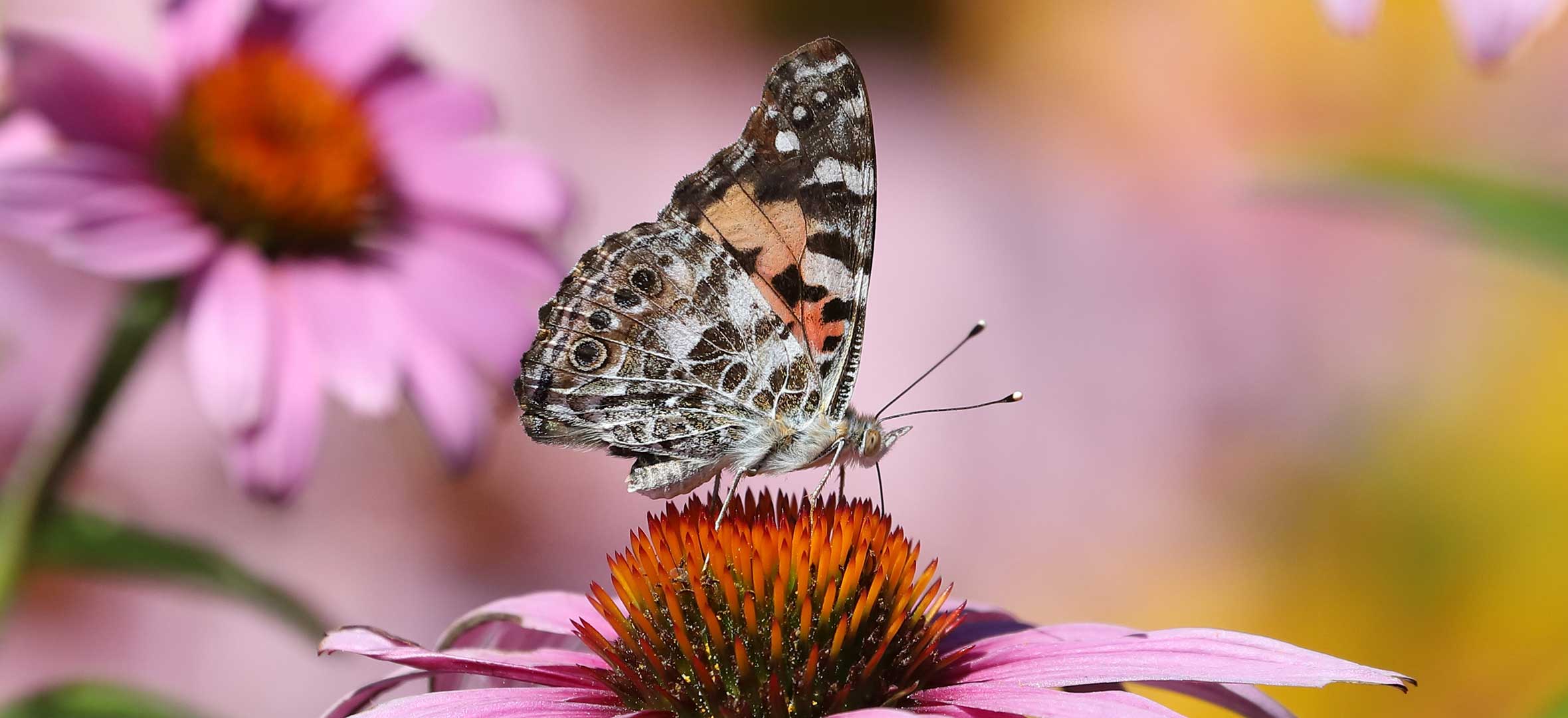
BIMBY is a national community science initiative led by the David Suzuki Foundation that invites people throughout Canada to observe and document butterflies in their local environments. Participants —known as BIMBY Seekers — use the iNaturalist platform to photograph and record butterfly sightings, contributing to conservation research and helping scientists track species and habitats.
BIMBY on iNaturalist
At the heart of BIMBY is iNaturalist, a free app and online platform where participants log their butterfly observations. These entries build a shared map and dataset that researchers, conservationists and nature lovers across Canada can access. In 2024 alone, BIMBY Seekers contributed over 35,000 observations — more than a quarter of all iNaturalist butterfly records in Canada!
Visit the BIMBY iNaturalist project page to browse sightings, join the project and explore the diversity of species observed by the BIMBY community.
Walking transects
In regions like British Columbia, some Seekers follow walking transects— fixed routes walked regularly throughout butterfly season. This method helps generate consistent, standardized data on butterfly populations and activity over time. By walking the same paths, Seekers help track changes in biodiversity, identify local trends and reduce observation bias.
Butterflies and native plants
BIMBY also encourages Seekers to document the plants butterflies use— for nectar and as caterpillar host plants. This dual approach helps reveal critical butterfly-–plant relationships and informs habitat restoration efforts. Observations have deepened our understanding of certain butterfly species.
Join BIMBY
Love butterflies? Want to help protect them? Join BIMBY.
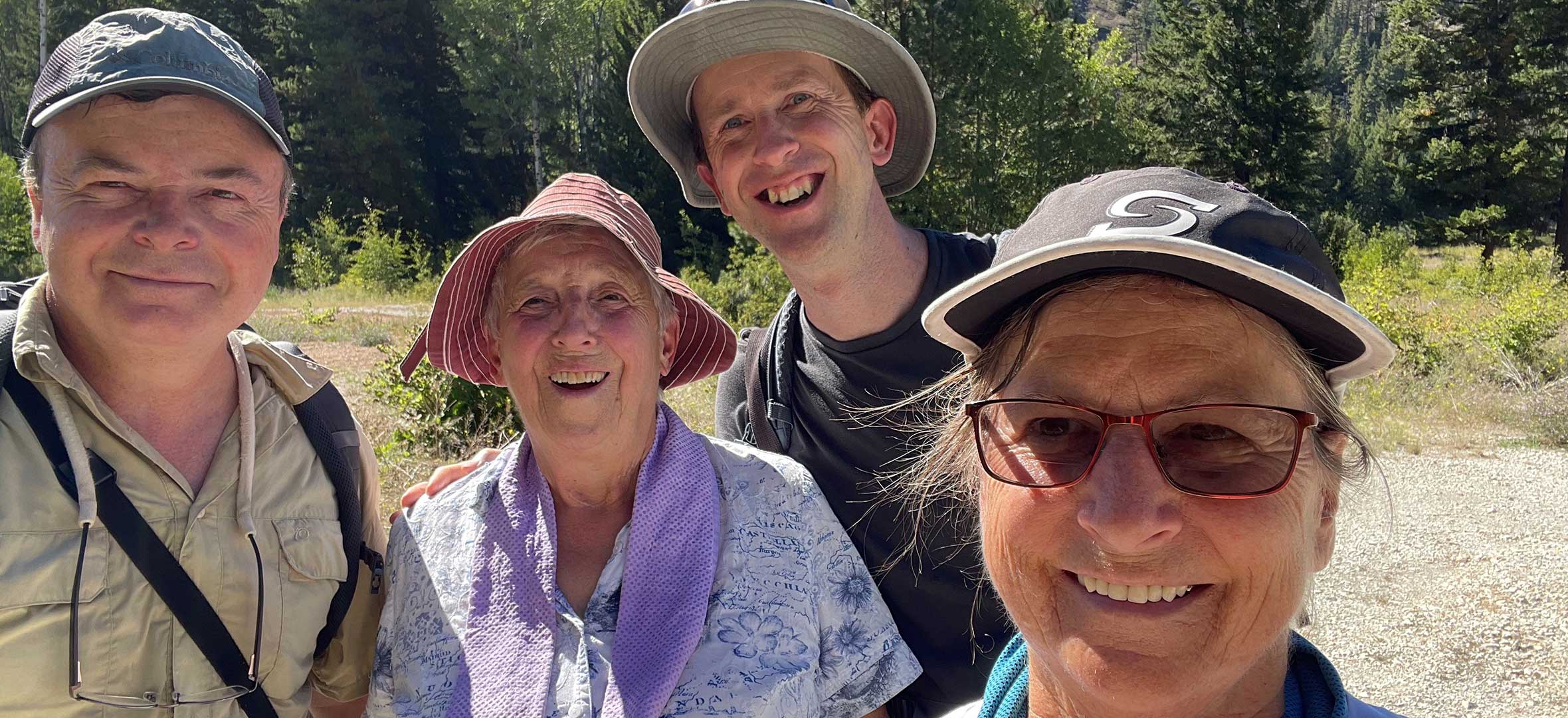
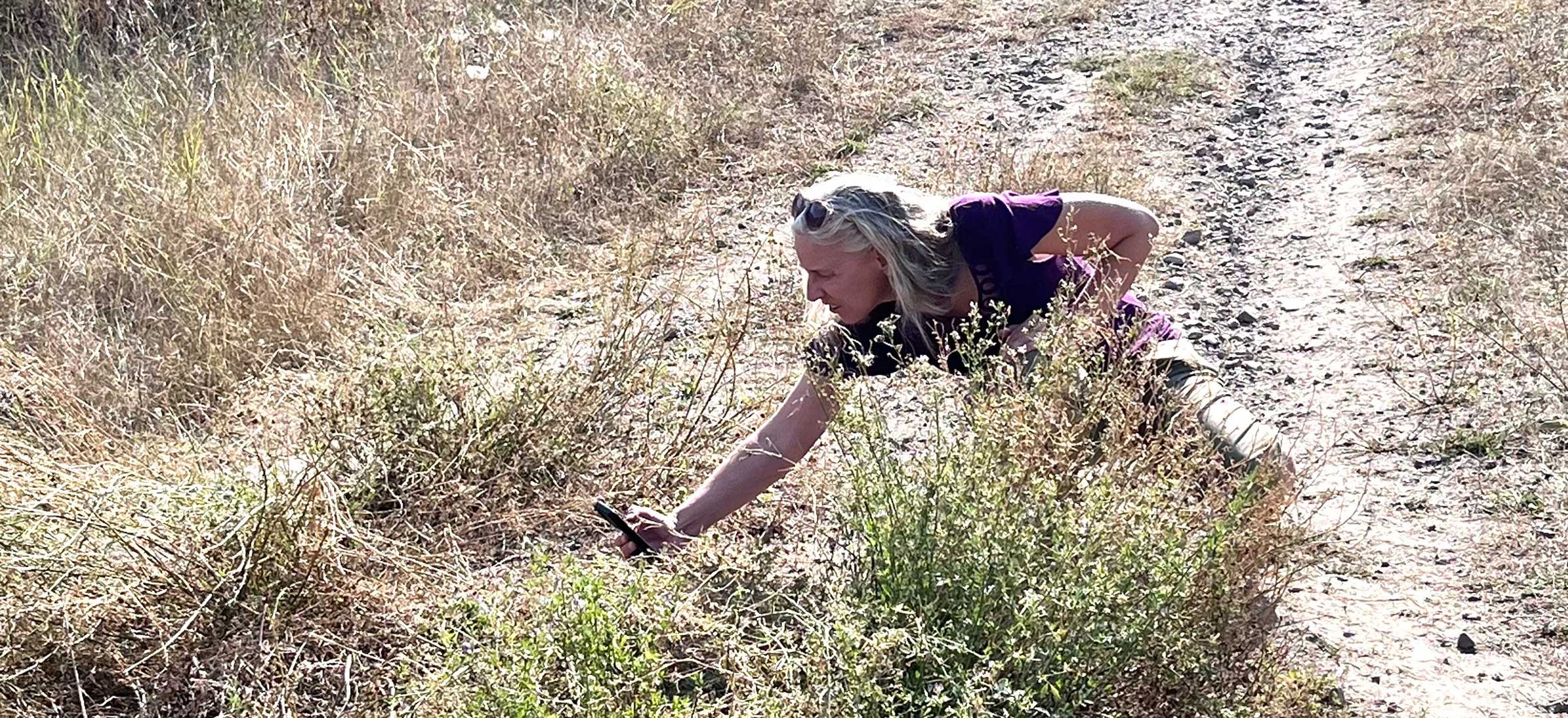
As a BIMBY Seeker, you’ll observe and photograph butterflies, then upload your sightings to iNaturalist. Whether you’re in a city park, backyard or wildflower meadow, your observations help researchers track butterfly species, understand their plant relationships and monitor at-risk populations across Canada.
Since 2022, hundreds of volunteers have documented hundreds of butterfly species and made tens of thousands of observations —contributing critical data for conservation while connecting more deeply with nature.
Anyone can participate. All you need is curiosity, a camera or smartphone, a free iNaturalist account and a bit of time outdoors.
STEP 1: Sign up for a free iNaturalist account.
STEP 2: Log in and join the BIMBY 2026 project.
STEP 3 [optional]: Sign up for the BIMBY Facebook group.
You can stay in touch through the iNaturalist project page and Facebook group. Have more questions? Email Colleen Cirillo at ccirillo@davidsuzuki.org.
Highlights and reports
The BIMBY project launched in 2022 in partnership with researchers at the University of British Columbia. Since then, it has grown into a nationwide movement. Each season, new Seekers are recruited and trained through webinars and online resources.
Highlights of BIMBY 2025
- National reach and participation: More than 800 Canadians from 10 provinces and two territories participated in the BIMBY project.
- iNaturalist insights: BIMBY’s 2025 contributions made up 28 per cent of all butterfly observations in Canada on iNaturalist, helping fill a vital data gap in Canada’s biodiversity monitoring.
- Research grade: Butterfly experts on iNaturalist identified 25,238 BIMBY observations, grating them research grade status.
- Species coverage: Participants observed 232 butterfly species, representing 28 per cent of Canada’s known species. Six of the observed species are at-risk species, including the Poweshiek skipperling and columbine duskywing.
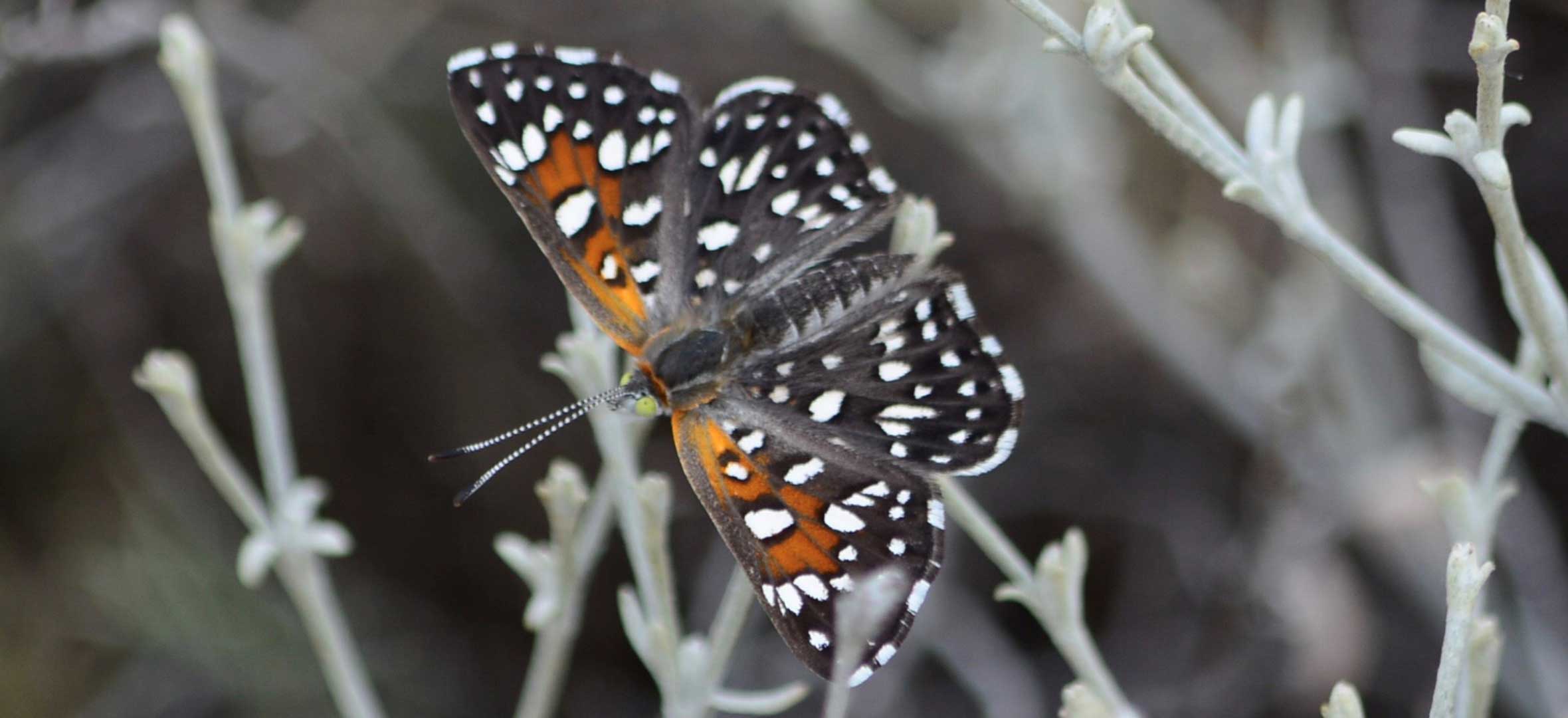
- Focus on endangered species: BIMBY Seekers observed six of Canada’s 13 endangered butterfly species, including the rare Behr’s hairstreak, monarch and Mormon metalmark. British Columbia participants were especially successful, spotting four of the six endangered species found in the province.
- Impact of introduced species: BIMBY highlighted the widespread presence of non-native butterflies, such as the cabbage white and European skipper.
- Provincial leader: BC BIMBY seekers contributed more than one third of all observations, showcasing the high level of dedication out west.
- Data powerhouse: The data from BIMBY provides a robust resource for scientists, conservationists and policy-makers, enabling more accurate monitoring of butterfly populations throughout Canada.
- Plant–butterfly relationships: In 2025, BIMBY participants submitted 8,030 “butterfly to plant” associations, providing a good idea of which plants are frequently visited by adult butterflies.
Explore our BIMBY annual reports from 2024 and 2025 to learn more about past seasons, research findings and the growing community behind this vital biodiversity effort.
Meet the BIMBY committee
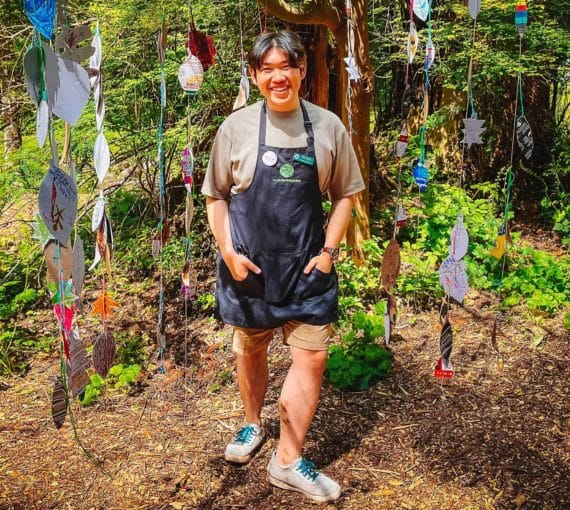
BIMBY is guided by passionate volunteers, blending expertise in ecology, conservation, education and community engagement. The committee is led by:
- Michelle Tseng, an ecologist and butterfly expert with a deep commitment to community science.
- Stephen Deedes-Vincke, a tech-savvy pollinator advocate who supports Seekers with species identification.
- Kirstyn Eckhardt, a biodiversity specialist who contributes scientific and strategic guidance.
- Sue Elwell, a top BIMBY Seeker from B.C. who shares invaluable field experience and helps create educational materials.
Together, they design activities, manage data collection and host virtual workshops to connect Seekers across the country. Their leadership bridges community engagement with scientific impact —ensuring that every participant feels supported, informed and empowered to help protect butterflies and their habitats.

FAQ
-
It is fine to use “Obscured.” “Open” is preferred, but it is okay to flag the location as “Obscured.”
-
Plant associations should be done when the butterfly is either feeding or laying eggs.
-
They might be puddling, but no plant association required.
-
Yes, but it will be registered as a “casual” observation as it can’t be verified.
-
Feel free to upload all photos, regardless of the quality. If the photograph is not good enough, the observation may not reach research grade.
-
This should be four separate observations as they are four individual butterflies.
-
There is no need to select the BIMBY Project during an upload as your observation will automatically appear in BIMBY.
-
A single observation will add itself to all relevant projects depending on the filters that have been set up.
-
Yes.
-
Ideally yes, but cultivated plants will be registered as “Casual” and will not get research grade status.
-
You do not always have to join a project for your observations to show up in another project. Consider a “project” more a search with filters, such as “Butterflies and Ontario.”
Some projects collect any public observations that meet whatever their criteria are. BIMBY has a criterion that it only takes those from members.
-
You should upload four different observations, and add the goldenrod to each observation as a plant association.